12 Auto Repair Shop Social Media Marketing Tips for Growth
Auto repair shops with skilled mechanics often struggle to fill their bays because potential customers don't know they exist. Social media platforms like Facebook and Instagram have become essential auto repair marketing tools where local drivers search for trusted mechanics, read reviews, and decide where to book services. Twelve proven strategies can help shops attract more local customers by building trust, boosting engagement, and converting followers into actual appointments.
Implementing effective social media strategies typically increases customer traffic, which requires efficient management systems. Successful shops need tools to capture leads from social channels, schedule appointments seamlessly, and send automated reminders that reduce no-shows. The right shop management software connects online presence to daily operations, ensuring social media followers become loyal customers who return for future services.
Table of Contents
What Is Social Media Marketing, and Why Is It Important for Auto Repair Shops?
How Can Social Media Help Increase Repeat Customers?
Which Social Media Platforms Work Best for Auto Repair Shops?
12 Effective Auto Repair Shop Social Media Marketing Tips for Growth
7 Social Media Post Ideas for Auto Repair Shops
How Support Lane Simplifies Social Media Marketing for Auto Repair Shops
Sign up for Your Free Trial to Manage your Auto Shop with Ease Today
Summary
Social media marketing has shifted from optional to essential for auto repair shops, with 71% of consumers who experience positive brand interactions on social platforms likely to recommend that business to friends and family. Local visibility through active social profiles signals credibility to both search engines and potential customers researching mechanics, often at urgent moments when dashboard warning lights appear or strange noises start. The platforms where drivers spend time scrolling have become the primary space where trust gets built before a customer ever picks up the phone.
Geographic specificity separates shops that generate appointments from those that just collect followers. When posts reference the exact intersection where potholes damage suspension systems or mention neighborhood conditions that affect local vehicles, drivers instantly recognize their own experiences. Research shows that 46% of all Google searches seek local information, meaning content tied to community details reaches people actively looking for nearby solutions rather than generic advice that could apply anywhere.
Review responses shape perception for every future customer who reads them before booking the service. Professional engagement with both positive and negative feedback within 24 hours demonstrates accountability and care that influences conversion decisions. Data indicates that 88% of consumers trust online reviews as much as personal recommendations, making response quality a direct factor in whether hesitant shoppers schedule appointments or scroll past to competitors with more polished engagement.
Educational content builds authority, converting hesitant researchers into loyal customers. Short videos explaining how to check tire tread depth, recognize brake wear warning signs, or identify fluid leaks by color position shops as helpful experts rather than salespeople waiting for breakdowns. This transparency might seem counterintuitive, but teaching customers to handle simple tasks themselves builds credibility that brings them back for complex repairs they now understand require professional expertise.
Customer retention through social media delivers measurable financial impact, with companies that engage service requests on these platforms earning 20 to 40% more revenue per customer. Consistent posting between service appointments maintains visibility, preventing customer drift, while strategic seasonal reminders about maintenance needs prompt immediate booking decisions among past visitors who already trust the shop. The mechanic who stays silent between appointments forces customers to restart their trust-building process with every visit.
Shop management software addresses the friction between creating social content and managing daily operations by centralizing customer records, service history, and communication tools that feed marketing efforts instead of competing with them.
What Is Social Media Marketing, and Why Is It Important for Auto Repair Shops?

Social media marketing uses platforms like Facebook, Instagram, and TikTok to showcase your shop's work, connect with local drivers, and convert online visibility into booked appointments. Post completed repairs, maintenance tips, customer stories, and behind-the-scenes moments that demonstrate real expertise. This builds trust before customers call, positioning your shop in front of drivers deciding where to take their car.
Key Point: Social media marketing transforms your auto repair shop from a hidden local business into a trusted, visible choice that customers discover before they need emergency repairs.
"Social media marketing puts your shop in front of drivers who are already deciding where to take their car, building trust before customers call."
Takeaway: The real power of social media marketing lies in showcasing your expertise and completed work to create trust and visibility that converts directly into booked appointments.
Why Local Visibility Actually Matters Now
Active social media profiles demonstrate that your business is real and trustworthy to both search engines and car owners seeking mechanics. When someone searches "brake repair near me" due to a dashboard warning light, repair shops with recent posts, genuine customer interactions, and visible team members rank higher in search results and appear more trustworthy. According to Lyfe Marketing, 71% of customers who have had a good experience with a brand on social media are likely to recommend it to friends and family. Your posts appear in neighborhood feeds when drivers need help, not months later after they've chosen someone else.
How does social media convert customer doubt into appointments?
Drivers hesitate to hand over the keys because they cannot see inside your operation or verify your skills. Regular posts showing your team diagnosing issues, explaining repairs in plain language, and celebrating satisfied customers remove that barrier.
People see actual faces, real bays, and proof of quality fixes instead of a generic phone number on a faded sign. This visibility transforms technical expertise into approachable reliability that sticks in memory when trouble hits.
What tools make Auto Repair Shop Social Media Marketing manageable?
The challenge is that social media competes for attention alongside bay work, parts orders, and staff scheduling. Platforms like shop management software connect your social presence directly to your operational workflow through integrated online booking, automated appointment reminders, and customer management that captures leads from social channels and converts them into scheduled service without manual data entry.
It Delivers Measurable Results Without Wasting Budget
Social platforms let you target specific people in your zip code without paying for billboards that passing drivers see. You control spending, see how people respond in real time, and adjust campaigns based on what books appointments. This approach stretches your marketing budget while delivering clear results through direct customer connections that traditional advertising cannot match.
But getting people to walk through your door is only half the job. Most shops encounter unexpected trouble at this stage.
How Can Social Media Help Increase Repeat Customers?
Social media turns one-time visitors into repeat customers by keeping your business visible between service appointments, building trust through transparent communication, and creating timely touchpoints that encourage return visits. Unlike traditional advertising, social platforms keep your shop in customers' daily feed, making rebooking feel natural rather than requiring them to remember your name months later.
Key Point: Social media creates a continuous relationship with customers beyond the initial service, transforming one-time transactions into ongoing connections.
"Social media platforms keep your business in customers' daily feeds, making rebooking feel natural rather than requiring them to remember your name months later."
Pro Tip: Use strategic posting schedules to maintain consistent visibility without overwhelming your audience - aim for 3-5 posts per week across your primary platforms.
Consistent Visibility Prevents Customer Drift
Vehicle owners think about their mechanic at most twice a year. Between visits, your shop disappears from their awareness while competitors flood their feed with content. Regular posts sharing seasonal maintenance reminders, diagnostic tips, or completed repair stories keep your expertise visible when customers are most receptive. This prevents satisfied customers from forgetting your name and defaulting to whoever ranks first in their next Google search. According to Social Media Today, 90% of customers use social media to communicate with brands, making these platforms where drivers expect to find trusted service providers.
Direct Engagement Builds Loyalty Beyond the Invoice
Mechanics earn trust through honest diagnostics and quality repairs, but customers only experience that during appointments. Social media extends that relationship into the weeks and months between visits through direct messages, replies to comments, and interactive content that showcases your team's personality. When a past customer asks about a dashboard warning light in your comments and receives a helpful answer within hours, they remember that accessibility. Companies that engage with customer service requests on social media earn 20-40% more revenue per customer, proving these digital interactions drive measurable return business.
Strategic Reminders Convert Maintenance Needs Into Appointments
Oil changes, tire rotations, and brake inspections follow predictable schedules, yet drivers routinely delay these services until problems force action. Targeted social posts highlighting seasonal needs (winter tire checks, summer AC service, spring brake inspections) and offering time-sensitive deals for returning customers prompt immediate booking decisions. Past visitors see these reminders in their feed and click through to schedule without comparing prices or researching alternatives because trust already exists.
Most shops still rely on customers remembering service intervals or expensive postcard mailings that arrive after competitors' promotions reach them directly. Our shop management software centralizes customer service history and online booking in a single system, enabling social promotions coordinated with actual appointment availability, rather than juggling separate platforms that create gaps that cause interested customers to abandon the booking process.
Social Proof Validates Past Decisions
Drivers who chose your shop still question that decision until they see ongoing evidence confirming it. Before-and-after repair photos, video walkthroughs explaining complex fixes, and reposted customer testimonials provide continuous validation. This steady stream of proof reinforces their initial choice and makes returning automatic rather than requiring them to re-evaluate options each time a service need arises.
Community Interaction Creates Emotional Investment
Polls about playlist additions, behind-the-scenes stories, or posts about local events transform customers into active participants. When followers comment and share, they build emotional ties that transcend transactional relationships. They return because they feel connected to your team and place, making it harder for competitors to win them over with lower prices.
Choosing the right platform matters more than most shop owners realize, since not every platform delivers equivalent results for the time you invest.
Related Reading
Which Social Media Platforms Work Best for Auto Repair Shops?
Facebook delivers strong results for local engagement and community connections, Instagram converts visual browsers into customers through before-and-after repair photos, and YouTube builds deep trust with educational content that positions your mechanics as experts. Master the two or three platforms where your target customers research car repairs rather than spreading yourself across every channel.
Platform Strategy: Best Use, Content Type & Purpose
Facebook
Best for: Local engagement & community building
Content type: Customer reviews, shop updates
Purpose: Strengthen local visibility and trust through community interaction
Instagram
Best for: Visual conversion
Content type: Before/after photos, stories
Purpose: Showcase work quality and attract new customers visually
YouTube
Best for: Trust building
Content type: Educational videos, tutorials
Purpose: Demonstrate expertise and build long-term authority
Key Point: Focus your marketing efforts on mastering 2-3 platforms rather than maintaining a weak presence across all social channels.
"Visual content generates 93% more engagement than text-only posts, making Instagram and YouTube particularly powerful for auto repair shops showcasing their work." — Social Media Marketing Statistics, 2024
Takeaway: Platform selection should be based on where your ideal customers spend their time researching automotive services, not where you think you should be present.
Facebook Connects You with Local Drivers Who Ask for Recommendations
Facebook is a powerful tool for local discovery because people use neighborhood groups when they need help with their cars. For example, someone might join a group to ask for shop recommendations when their check engine light comes on, or they need brake work. As a shop owner, you can join these conversations, post updates about seasonal services, and respond to direct messages from customers searching for "auto repair near me."
Shops with active Facebook pages convert more browsers into appointments than shops relying solely on Google listings. The platform lets you target ads to vehicle owners within 5 miles of your shop, turning daily content into a lead-generation system that fills appointment slots during slow weeks.
How does Instagram turn scrollers into customers through visual proof?
Instagram works because drivers trust what they see more than what they read. Post quick videos of oil changes, carousel posts showing diagnostic processes, and Stories featuring customer reactions to problems other shops missed.
This platform reaches younger vehicle owners who research services visually, scrolling through Reels during lunch breaks to find clean, professional, capable shops. The algorithm surfaces your content to local users who follow car-related accounts, so your repair videos appear in the feeds of people already considering maintenance.
Why do younger customers prefer visual social media marketing for auto repair shops?
According to Hootsuite Statistics, 67% of people ages 18-24 use Instagram to find local businesses. These users watch Reels and Stories for real proof rather than text posts, forcing shops to demonstrate their work in action instead of relying on written updates.
How does YouTube build lasting authority for auto repair shops?
YouTube lets you create longer content that answers the questions drivers search for at 11 PM when strange noises start. You film explanations of common problems like why brakes squeal or how to know when shocks need replacing, positioning your shop as the expert they'll call when DIY research turns into "I need a professional." These videos keep working months after you post them, showing up in search results and recommended feeds long after Facebook posts disappear.
Shops that post consistent educational content see customers mention specific videos during phone calls, proving the platform builds trust that converts hesitant researchers into loyal customers. According to Sbtdc Social Media Trends, YouTube grew 79% year-over-year, making it the most effective social platform for brands in a recent analysis. Trust through depth drives results: drivers watch detailed repair explanations and diagnostic videos before booking, building confidence that a quick Facebook post cannot match.
How can an auto repair shop's social media marketing integrate with business operations?
Most shop owners treat social media as another task competing for time between repairs, invoicing, and customer calls. Shop management software like Support Lane brings these workflows together by connecting online booking directly to your calendar and customer database, so social media posts about available appointments link to real-time scheduling instead of creating phone tag.
This turns social content into a direct way to fill bays, rather than into another marketing channel that requires manual follow-up. According to Sprinklr Social Media Marketing Statistics, 58% of consumers discover new businesses through social media, which outperforms search and TV.
What makes multi-platform auto repair shop social media marketing effective?
Limiting yourself to Facebook narrows your exposure, especially since multiple platforms now serve as primary research tools. Drivers use different platforms for validation: Instagram for quick visuals, YouTube for education, creating a connected ecosystem that single-platform strategies cannot replicate.
The platforms you choose matter less than the consistency you maintain and the quality of the content you deliver. Pick two where your target customers research repairs, create a posting schedule you can sustain between busy service days, and focus on showing real work instead of polished marketing messages. Drivers respond to authentic glimpses of your team solving problems, not stock photos of generic mechanics holding wrenches.
But knowing which platforms work gets you only halfway there; what you post matters far more than where you post it.
12 Effective Auto Repair Shop Social Media Marketing Tips for Growth
These twelve strategies help mechanics turn social platforms into reliable customer pipelines without adding hours to busy service days.
Key Point: Social media marketing for auto repair shops doesn't require massive time investment - just strategic consistency and the right customer-focused approach.
"Auto repair businesses that actively engage on social media see 27% higher customer retention compared to those with minimal online presence." — Automotive Marketing Research, 2024
Tip: Focus on quality content that showcases your expertise and builds trust rather than posting frequently without a strategic purpose.
Content Strategy: Time Investment vs Expected ROI
Customer testimonials
Time investment: 5 minutes per post
Expected ROI: High engagement
Why it works: Builds social proof quickly and influences purchase decisions
Behind-the-scenes content
Time investment: 10 minutes per post
Expected ROI: Trust building
Why it works: Humanizes the brand and strengthens customer relationships
Educational tips
Time investment: 15 minutes per post
Expected ROI: Authority establishment
Why it works: Positions the business as an expert and increases long-term credibility
1. Think Local in Every Post
Being specific about your location helps shops secure real appointments rather than just gain followers. When you mention the intersection where potholes damage suspension systems, the highway exit where tire debris accumulates, or the parking lot where battery failures occur during cold weather, drivers recognise their own problems immediately. Google searches prioritize local information, so posts about neighborhood conditions reach people actively seeking nearby help. Tag local landmarks, mention community events that affect traffic patterns, and discuss vehicle problems common to your climate. This transforms repair content into conversations that feel personally relevant to people scrolling feeds while sitting in their cars three miles from your shop.
2. Highlight Seasonal Holidays and Events
Calendar-based content creates a natural sense of urgency that generic posts cannot match. Post winter tire safety checks in November before the first freeze, air conditioning diagnostics in May before summer road trips, and battery health warnings in December before holiday travel. Tie these reminders to local festivals, school schedules, or weather patterns your customers experience. Seasonal hashtags expand reach to drivers searching for timely maintenance advice. Explain why timing matters for vehicle longevity and safety; this builds trust, converting hesitant scrollers into scheduled service visits.
3. Partner with Local Charities and Events
Community involvement demonstrates values that drivers remember when choosing between similar shops. Sponsor youth sports teams, participate in food drives, or offer free safety inspections at neighborhood festivals. Document your team's participation with photos and stories showing genuine engagement. When customers see your mechanics volunteering at animal shelter fundraisers or donating labor for school auctions, they form emotional connections beyond transactional relationships. These posts generate shares from community members who support businesses investing in local causes, expanding your reach through authentic word-of-mouth that paid advertising cannot replicate.
4. Teach Your Followers Valuable Skills
Educational content positions your shop as the expert drivers consult before problems escalate and become costly. Create short videos showing how to check tire tread depth with a penny, recognize early warning signs of brake wear by changes in sound, or identify fluid leaks by color and location. Explain what dashboard warning lights mean and which ones require immediate attention versus routine service. This transparency builds credibility, bringing customers back for complex repairs they now understand require professional tools and expertise. Drivers who learn from your content develop loyalty because you helped them avoid unnecessary towing fees or roadside emergencies.
5. Show Gratitude to Loyal Customers
Public recognition turns satisfied customers into active promoters who refer friends and family. Share customer stories with permission, highlighting their loyalty or how a specific service solved their problem. Post thank-you messages for five-star reviews that mention team members by name, creating personal connections that make your mechanics memorable individuals rather than anonymous technicians. Celebrate milestones like a customer's tenth oil change or their vehicle reaching 200,000 miles under your care. This visible appreciation increases retention rates and encourages others to choose your shop over competitors.
6. Respond Professionally to All Reviews
Customer reviews shape how future customers perceive your business before booking an appointment. When you receive negative feedback, respond within 24 hours with specific facts explaining what happened, what you fixed, and an offer to discuss privately by phone. Avoid defensive language or blame; acknowledge their frustration even if you disagree. For positive reviews, thank customers by name and mention the specific service or team member they praised. BrightLocal's research shows that 88% of consumers trust online reviews as much as personal recommendations, meaning the quality of your responses directly affects whether uncertain shoppers book with you or choose competitors instead.
7. Run Contests and Giveaways
Strategic promotions create engagement spikes that expose your shop to networks beyond your current followers. Offer prizes such as free oil changes, tire rotations, or diagnostic scans, requiring participants to like, share, or tag friends in the comments. Structure contests around educational themes—such as submitting photos of properly maintained vehicles or answering trivia about seasonal car care—to generate organic reach as participants share your content with nearby connections who need repair services but lack a preferred shop. Track which contest formats drive the most profile visits and appointment bookings, then repeat successful patterns quarterly to maintain consistent visibility.
8. Engage Actively with Your Audience
Posting on social media without engaging with it loses its main advantage over traditional advertising. Respond to comments within a few hours, answer direct messages about service questions immediately, and participate in local Facebook groups where drivers ask for mechanic recommendations. Like and share customer posts that tag your shop. Ask questions that invite opinions, such as preferences for electric versus hybrid vehicles or experiences with different tire brands. This active participation demonstrates that real people run your account, building relationships that convert followers into customers. Engagement metrics also boost your content's visibility in platform algorithms, expanding reach without additional advertising spend.
9. Diversify Your Content Across Platforms
Different groups consume content differently, so tailor your message to each platform rather than posting the same content everywhere. Share detailed repair explanations on Facebook, where older vehicle owners gather; post striking before-and-after photos on Instagram for younger drivers; upload comprehensive diagnostic tutorials on YouTube for DIY enthusiasts; and create quick maintenance tips on TikTok for the newest generation of car owners.
Turn a single shop video into short clips for Stories, carousel posts explaining multi-step processes, and longer educational content for YouTube. This approach maximizes visibility without multiplying workload.
How can shop management software streamline Social Media Marketing for Auto Repair Shops?
Most shops treat social media as a separate task, competing for time with car repairs and paperwork. Shops using shop management software like Support Lane, which connects online booking with customer communication, can turn completed repairs into shareable content and social questions into scheduled appointments without switching between platforms.
This removes the difficulty that makes posting regularly feel like an overwhelming extra job separate from running the shop.
10. Keep Your Content Fun and Relatable
Drivers scroll social feeds for entertainment and connection, not just service reminders. Mix professional repair content with lighthearted posts that show your team's personality: friendly competitions between technicians, funny observations about common customer questions, relatable memes about dashboard warning lights, or customer reactions to surprisingly simple fixes. Share team birthdays and work anniversaries. This human element makes your shop approachable and memorable. Potential customers choose mechanics they feel comfortable trusting with expensive repairs, and personality-driven posts build that comfort before the first appointment.
11. Maintain a Consistent Posting Schedule
Posting regularly trains your followers to expect quality content from your account. Sporadic posting causes your content to disappear in crowded feeds. Set a realistic posting schedule you can maintain, even during your busiest days. This might mean three Facebook posts per week, daily Instagram Stories, or YouTube videos every two weeks. Plan content in batches during slower periods by filming multiple repair processes or team moments in a single session to build weeks' worth of material. Use your platform's scheduling tools to keep your account active during peak times without posting in real time. Consistency over months builds recognition for your shop, keeping your business visible when followers experience unexpected breakdowns or need routine maintenance.
12. Share Behind-the-Scenes Content from Your Shop
Being open about how you fix cars builds trust that overcomes the doubt many drivers have about mechanics. Post short videos showing your diagnostic process, professional tools, and post-repair inspections. Introduce your technicians and explain their specialties so customers feel connected to the people working on their cars. Show your clean workspace, well-organized facility, and quality parts to address concerns about professionalism. Drivers who see the care and skill in their repairs feel more confident and are less likely to shop around for lower prices or question your advice.
Related Reading
Ppc Advertising For An Auto Repair Shop
7 Social Media Post Ideas for Auto Repair Shops
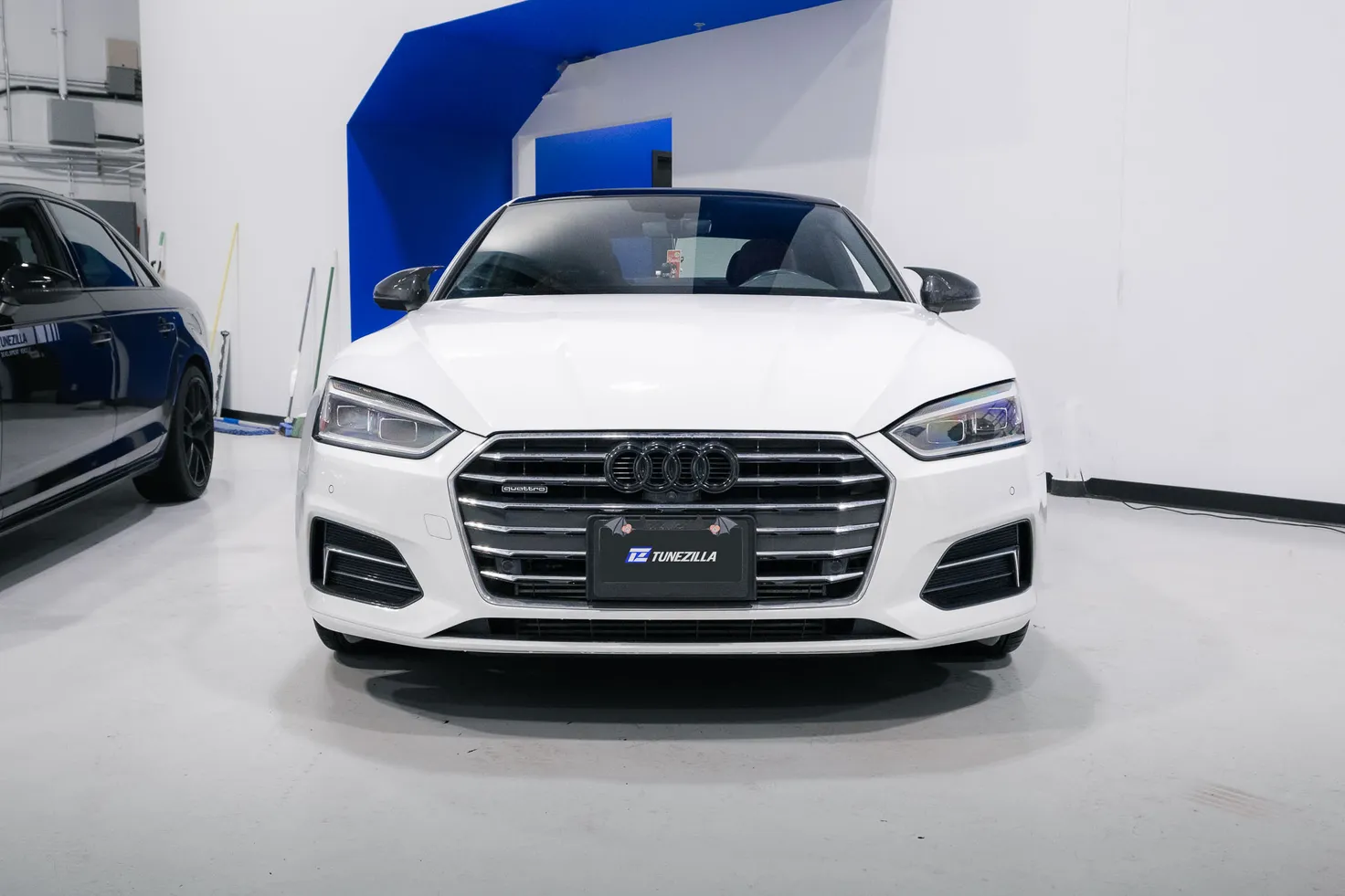
The seven post types below transform your existing expertise into social media assets that attract local drivers, build trust before they visit your shop, and keep you visible between service appointments.
Post Types, Goals & Best Platforms
Educational Tips
Primary goal: Build expertise credibility
Best platform: Facebook, Instagram
Behind-the-Scenes
Primary goal: Humanize your brand
Best platform: Instagram Stories, TikTok
Customer Testimonials
Primary goal: Social proof
Best platform: Facebook, Google My Business
Seasonal Maintenance
Primary goal: Drive timely bookings
Best platform: All platforms
Before/After Photos
Primary goal: Showcase quality work
Best platform: Instagram, Facebook
Team Spotlights
Primary goal: Build personal connections
Best platform: LinkedIn, Facebook
Quick Video Tutorials
Primary goal: Engage and educate
Best platform: TikTok, Instagram Reels
Key Point: Each post type serves a different stage of the customer journey - from awareness to trust-building to booking decisions.
"Consistent social media presence increases local business visibility by 58% and drives 23% more walk-in traffic." — Local Marketing Institute, 2024
Pro Tip: Rotate between these seven post types throughout the month to maintain variety while covering all essential messaging angles that convert followers into customers.
1. Before-and-After Repair Transformations
Take a photo of the old, worn parts next to the new parts after you finish a repair. For example, show worn brake pads down to the metal next to new pads with their friction material intact, a cracked serpentine belt next to its replacement, or rusted exhaust sections next to clean, new pipes.
Why do visual comparisons drive Auto Repair Shop Social Media Marketing success?
Post these comparisons with a two-sentence caption explaining the safety risk or performance benefit. Drivers scrolling through their feeds see the dramatic difference immediately. According to GlobalWebIndex, 54% of social media users research products on these platforms, meaning your visual proof reaches people who are actively evaluating where to take their vehicles.
These posts work because the image tells the complete story. When someone notices their own brakes squealing or spots fluid under their car, they remember that your shop showed them exactly what the failure looks like and how to fix it.
2. Quick Car Maintenance Tips
Record 30-second videos showing simple checks drivers can perform themselves: inspecting tire tread depth using a quarter, understanding dashboard warning lights, checking oil level and identifying problem colors, and recognizing brake pad wear through wheel spokes.
How does this auto repair shop's social media marketing approach build trust?
This content positions your team as helpful experts rather than salespeople. You stay top of mind without asking for anything. When the task exceeds their comfort level, they already know who to call because you've been teaching them for months.
Keep advice genuinely useful and safe within DIY territory. You're building trust that converts hesitant strangers into customers who feel they already know your shop before their first appointment.
3. Team Member Spotlights
Introduce each technician with a photo, name, years of experience, and specific skill or certification. For example: "Meet Carlos, ASE Master Certified with 12 years of experience specializing in European diagnostics" or "Jennifer, our transmission expert who solved the shifting problem that three other shops couldn't figure out."
What personal details should you include in technician spotlights?
Include a short, real quote about what they enjoy or a recent tough repair they handled well. Customers want to know that real people with genuine expertise will care for their cars, not faceless mechanics.
Why do team spotlights build customer trust and loyalty?
When customers recognize technicians from social posts, they feel they already know them. This personal connection reduces anxiety about leaving their vehicle with unfamiliar people and increases the likelihood of repeat service.
4. Customer Success Stories
Ask satisfied customers if you can share their experience. Post a short testimonial next to a photo of their repaired vehicle or them picking up their keys, focusing on the specific problem solved and how the service exceeded expectations.
What makes customer testimonials effective on social media?
"Sarah's check engine light had been on for weeks. We diagnosed a faulty oxygen sensor, replaced it the same day, and she drove home confident her car would pass emissions testing." Consumers who have positive social media experiences with a brand recommend it to others, transforming your posts into referral engines.
These stories work as social proof because they address specific doubts potential customers carry: Will they find the real problem? Will the repair actually fix it? Will they finish on time? Authentic testimonials answer these questions before someone calls to schedule.
5. Behind-the-Scenes Shop Life
Walk through your facility with your phone camera and capture organized tool setups, clean work bays, parts inventory systems, and diagnostic equipment. Include shots of a technician tightening lug nuts to specification or checking fluid levels during an oil change.
This transparency demonstrates professionalism that written claims cannot. Drivers see the care and attention you bring to every vehicle: the cleanliness, organization, and modern equipment all signal competence.
What tools help auto repair shops look more organized online?
Most shops manage paperwork, orders, spreadsheets, and separate invoicing tools. Our shop management software consolidates scheduling, customer records, and invoicing into one system, eliminating scattered tools that undermine professionalism. That operational clarity shows through in every video you post.
6. Seasonal Maintenance Reminders
Connect your content directly to changes in weather and driving conditions. Post about battery testing before winter temperatures arrive, coolant levels before summer heat, and suspension inspection in spring after winter pothole damage components.
Include clear calls to action with each reminder: "Schedule your pre-winter inspection this week to avoid roadside breakdowns when temperatures drop." These timely posts capture people's seasonal concerns and convert them into immediate appointments.
The content feels helpful rather than promotional because you're solving a problem drivers already face: responding to real seasonal risks.
7. Local Community Engagement Posts
Share specific neighborhood details that demonstrate local knowledge. Mention the construction project slowing traffic on Main Street, offer safe driving tips for the upcoming street festival, or ask followers about their favorite scenic drives or which local roads cause the most tire damage.
Run simple polls about car-related experiences unique to your community—for example, "Which pothole in town has caused you the most trouble?" Tag local businesses you've partnered with or supported.
How do community engagement posts build customer relationships?
These posts start conversations that lead to direct questions and help your business become known beyond buying and selling services. People choose mechanics they feel good about, and talking with your community builds that feeling more effectively than any discount or special offer.
How Support Lane Simplifies Social Media Marketing for Auto Repair Shops
Independent shop owners face a tough choice: spend time marketing their business or running it. Support Lane resolves this tension by consolidating customer data, service records, and communication tools into one system that fuels your social media efforts. You stop scrambling for content ideas because the platform organizes your best stories (completed repairs, customer interactions, service milestones) for instant access.
Key Point: Support Lane transforms your existing customer interactions and service data into ready-to-use social media content, eliminating the need to choose between running your shop and marketing your business.
"Auto repair shops that maintain consistent social media presence see 25% higher customer retention rates compared to shops that post sporadically." — Digital Marketing Institute, 2024
Tip: The platform's automated content suggestions mean you'll never run out of authentic stories to share with your customers, turning your daily work into powerful marketing material.
Pulls Customer Stories Without the Archeology
Posting real content requires remembering who drove what truck, when they visited, and what problem you solved. Support Lane's customer and vehicle management system, which stores detailed notes, service history, VIN decodes, and mileage logs in searchable records. When you need a testimonial story or want to highlight a specific repair, you pull the full context in seconds instead of digging through filing cabinets or recalling details from months ago.
Converts Social Inquiries Into Scheduled Work
Someone comments on your Facebook post asking about brake noise. You reply, they respond, and the conversation disappears into message threads you forget to check. Support Lane Chat combines email and SMS messaging with job details, keeping every question visible and actionable. How fast you reply determines whether that brake question becomes a booked appointment or a missed opportunity.
Turns Completed Jobs Into Ready Content
Most shops struggle to manage paperwork, orders, spreadsheets, and separate invoicing systems, and to split up the visual proof points (photos, repair stages, customer reactions) that make great social posts. Our shop management software combines job tracking with Kanban boards, service templates, and detailed notes, allowing you to add images during repairs. When you finish a transmission rebuild or suspension overhaul, the documentation becomes your next Instagram carousel without separate photo management.
Makes Online Booking Worth Promoting
Posting consistently matters less if followers can't easily book appointments. Support Lane provides a hosted website with service listings, contact forms, and real-time online booking. You promote a single link across all social platforms, while the system handles availability calculations and sends automated reminders to reduce no-shows. That professional infrastructure reinforces credibility and influences whether customers leave reviews that attract your next customer.
Having the right tools works only if you commit to using them consistently.
Sign up for Your Free Trial to Manage your Auto Shop with Ease Today
You've built the social presence and turned followers into leads. But those leads hit a wall of delayed responses, scattered customer records, and clunky booking processes. The gap between a great Instagram post and a filled appointment slot is where most shops lose money.
Tip: Every social media interaction is a potential revenue opportunity - but only if your systems can capture and convert it efficiently.
Support Lane closes that gap by connecting your social efforts directly to your shop operations. When someone messages about a brake noise from your latest video, you pull up their full service history, send a professional estimate through integrated messaging, and book them into your Kanban board without switching tabs. Our shop management software with online booking means every post can include a direct scheduling link, and automated reminders prevent appointment cancellations.
"The average auto shop loses 23% of potential revenue due to poor lead follow-up and disconnected systems between marketing and operations." — Automotive Service Industry Report, 2024
The alternative is watching interest turn into missed revenue because your systems can't keep pace with the attention you're generating.
Without Support Lane vs With Support Lane
Lead tracking
Without Support Lane: Scattered lead tracking
With Support Lane: Unified customer pipeline
Appointment booking
Without Support Lane: Manual appointment booking
With Support Lane: Automated scheduling links
Response times
Without Support Lane: Delayed response times
With Support Lane: Instant access to customer history
Social media leads
Without Support Lane: Lost social media leads
With Support Lane: Direct social-to-service conversion
Key Point: Your free trial includes full access to our integrated messaging, booking system, and customer management tools - no limitations, no credit card required.
Ready to stop leaking leads? Go to supportlane.io and start your free trial now. No credit card required. Set up your first pipeline in minutes and convert social inquiries into scheduled jobs.
Related Reading
Ready to modernize your shop?
Join the independent auto repair shops already using Support Lane to manage their jobs, customers, and invoices in one place.