How To Be A Mechanic in 2026: A Step-by-Step Career Guide
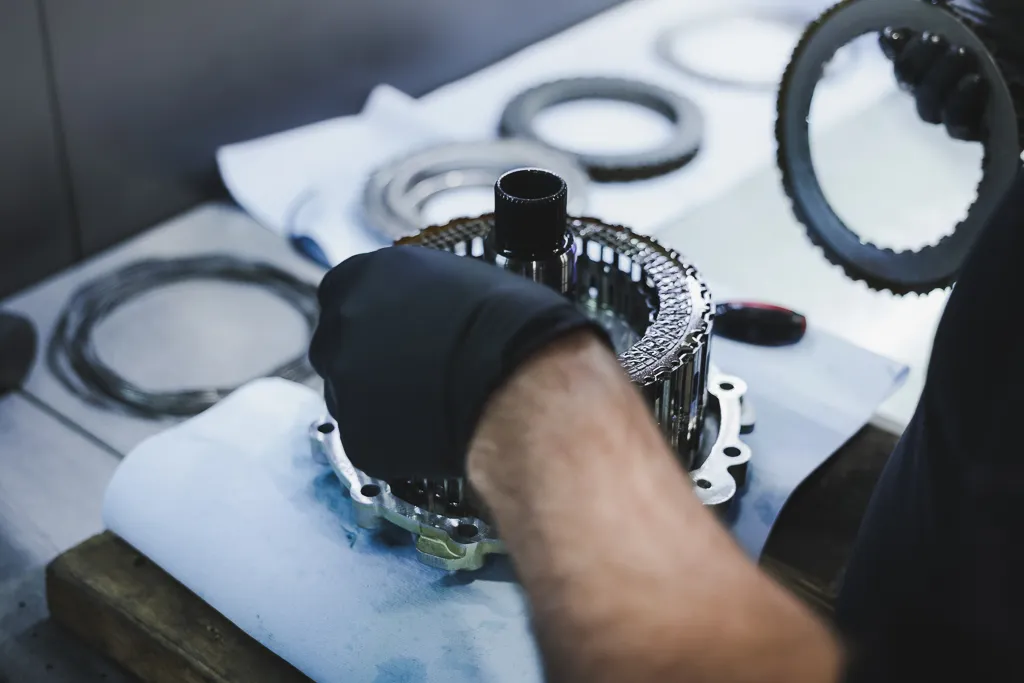
Skilled mechanics excel at diagnosing problems and turning wrenches, yet many talented technicians struggle to build thriving careers because they focus solely on fixing cars and ignore business fundamentals. Understanding auto repair marketing principles helps aspiring mechanics position themselves as more valuable employees and better-prepared future shop owners. Success requires mastering both technical skills and the business knowledge that separates average technicians from industry leaders.
Building those skills represents just the first step toward a sustainable career. Managing workload efficiently makes the difference between burnout and long-term growth, requiring systems that organize customer appointments, track repair histories, and maintain professional client communication. Mechanics who can streamline their workflow from day one build the reputation and relationships that transform a job into a lasting career, often with the help of comprehensive shop management software.
Table of Contents
Who is a Mechanic, and What Does a Mechanic Do?
What Skills Do You Need to Become a Mechanic?
Is Becoming a Mechanic a Good Career Choice in 2026?
A Step-by-Step Career Guide on How To Be A Mechanic in 2026
Tips for Growing Your Career as a Mechanic
How Support Lane Supports Your Career as a Mechanic
Sign up for Your Free Trial to Manage your Auto Shop with Ease Today
Summary
Approximately 755,000 automotive service technicians work across the United States, but 75% of shops report difficulty finding qualified technicians according to industry surveys. This workforce gap creates unusual leverage for new mechanics who show up consistently and deliver quality work. Shops compete for talent by offering better pay, flexible schedules, and faster advancement than most trades allow, meaning you gain negotiating power earlier in your career when demand exceeds supply this dramatically.
The median annual wage for mechanics is $47,930, but this figure masks a wide earnings range determined more by skill than by seniority. Mechanics with ASE certifications, diagnostic expertise, or specializations in European imports, diesel systems, or electric vehicles regularly earn $70,000 to $100,000 annually. Flat-rate pay structures reward speed and accuracy, so your income grows as your efficiency improves, not just when the calendar marks another year of service.
Research shows that 69% of technicians experience job burnout, with many citing inadequate diagnostic skills as a primary source of workplace stress. Sharp problem-solving prevents the repeated comebacks that erode customer trust and damage your reputation. The critical difference between mechanics who thrive and those who struggle comes down to diagnostic thinking, the ability to trace problems systematically using scan tools, multimeters, and pressure gauges rather than swapping parts and hoping something works.
The automotive service industry will see 49,000 job openings annually through 2034, with specialists in electric vehicles, hybrid powertrains, and advanced driver-assistance systems commanding premium wages. Shops need technicians who understand high-voltage battery management, regenerative braking diagnostics, and sensor calibration for lane-keeping systems. Dedicating time to manufacturer training programs or community college courses focused on EV architecture positions you as the expert your shop relies on for these repairs, giving you control over your earning trajectory.
Only 46% of technicians report satisfaction with their current employer, often due to poor systems that create friction with customers and waste time on administrative tasks. Paperwork orders, scattered spreadsheets, and manual phone scheduling fragment customer information and create bottlenecks, such as lost work orders, double-booked appointments, and invoices that take 20 minutes to generate manually. As job volume increases and customer expectations rise, these patchwork approaches prevent mechanics from focusing on the diagnostic work that builds careers and increases earnings.
Shop management software addresses this by centralizing scheduling, customer records, invoicing, and job tracking on a single platform, reducing administrative tasks from hours to minutes while maintaining accuracy that paper systems cannot match.
Who is a Mechanic, and What Does a Mechanic Do?
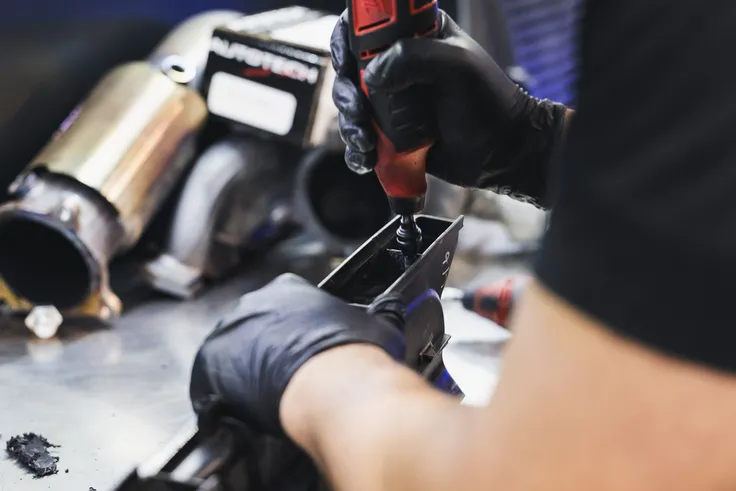
A mechanic is a skilled professional who inspects, diagnoses, maintains, and repairs vehicles to keep them running safely and efficiently. You combine technical knowledge with hands-on problem solving, using tools and diagnostic equipment to identify issues ranging from simple brake pad replacements to complex electrical system failures. This career demands mechanical aptitude, attention to detail, and adaptability as vehicle technology evolves from mechanical systems to computer-controlled networks.
🎯 Key Point: Modern mechanics must master both traditional mechanical skills and advanced diagnostic technology to handle today's computer-controlled vehicles.
"The automotive repair industry requires mechanics to continuously adapt as vehicles become increasingly sophisticated, with electronic systems now controlling everything from engines to safety features." — Bureau of Labor Statistics
💡 Tip: Success as a mechanic requires continuous learning since automotive technology evolves rapidly, making ongoing training and certification updates essential for career advancement.
The Core Work of a Mechanic
Your day involves solving problems that prevent vehicles from functioning properly. You connect diagnostic scanners to read error codes, inspect brake systems, replace worn serpentine belts, and test battery voltage. Routine maintenance—oil changes, tire rotations, fluid checks—fills much of your schedule, but expertise emerges when customers describe intermittent noises or confusing check engine lights. You listen, test, eliminate possibilities, and repair the issue while documenting each step for customer records and warranty compliance.
How many mechanics work in the automotive industry today?
According to Consumer Affairs, approximately 755,000 automotive service technicians and mechanics work across the United States. This workforce spans independent shops, dealerships, fleet maintenance facilities, and specialty repair centers, each requiring mechanics who balance technical skill with efficient workflow management.
Specializations That Shape Your Path
Mechanics rarely stay generalists for long. Automotive technicians focus on passenger cars and light trucks, mastering systems like fuel injection, anti-lock brakes, and hybrid powertrains. Diesel mechanics specialize in heavy-duty engines found in commercial trucks, buses, and construction equipment, where torque and durability matter more than speed. Motorcycle mechanics, heavy equipment technicians, and marine mechanics carve out niches demanding deep knowledge of specific systems and safety protocols. Early specialization builds expertise that commands higher pay and opens doors to industries where skilled technicians remain scarce.
The Physical Reality of the Job
You spend your days in well-ventilated bays surrounded by elevators, air compressors, and rolling tool chests. The work remains physically demanding: you crouch under dashboards, lift heavy components, and operate power tools in tight spaces while exposed to noise and grease.
Yet diagnosing a complex problem and watching a repaired vehicle drive smoothly again makes the physical challenges worthwhile. Strong time management and safety habits help you navigate these realities without burning out.
How do modern mechanics balance technical and business skills?
When you manage customer appointments, track repair histories, and send professional invoices smoothly, you free up mental energy to focus on diagnostic work that builds your reputation.
Our shop management software helps mechanics organize workflows from scheduling through payment, reducing administrative friction. Modern shops need technicians who can diagnose a misfiring cylinder and communicate repair options clearly to customers while managing other jobs waiting in the bay.
Related Reading
What Skills Do You Need to Become a Mechanic?
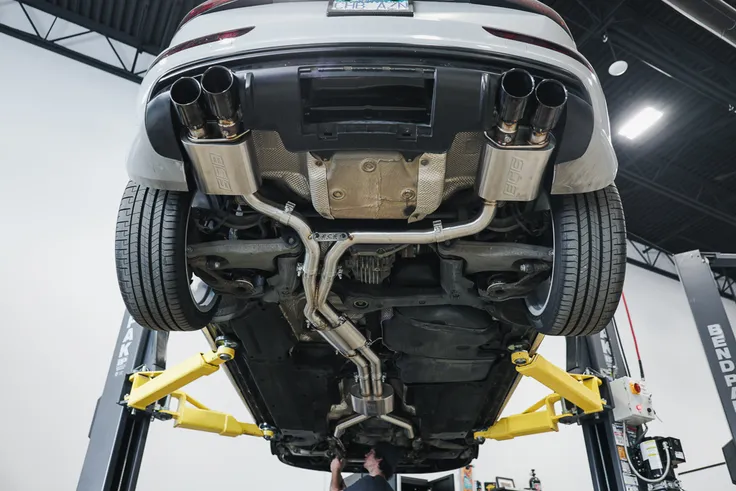
Being a successful mechanic requires technical skills, thinking skills, and people skills. You must diagnose vehicle problems quickly, master tools and vehicle systems from regular engines to hybrid electronics, and explain repairs to customers in terms they understand. These skills develop through deliberate practice, structured training, and real-world problem-solving that builds pattern recognition over time.
🎯 Key Point: The most successful mechanics combine diagnostic expertise with customer communication skills - it's not enough to just fix cars if you can't explain the problem clearly.
"Effective mechanics must master both the technical complexity of modern vehicles and the interpersonal skills needed to build customer trust and explain repairs clearly."
Skill Categories, Requirements & Development Methods
Technical skills
Key requirements: Tool proficiency, system knowledge
Development method: Hands-on training and certifications
Outcome: Builds foundational capability to perform job tasks accurately and efficiently
Diagnostic skills
Key requirements: Problem-solving and pattern recognition
Development method: Real-world experience and repeated practice
Outcome: Improves speed and accuracy in identifying and resolving issues
Communication skills
Key requirements: Customer interaction and clear explanations
Development method: Customer service training and practical experience
Outcome: Enhances customer satisfaction, trust, and repeat business
💡 Tip: Focus on developing strong diagnostic skills early in your career - the ability to quickly identify problems will set you apart from other mechanics and lead to higher customer satisfaction and better job opportunities.
Strong Diagnostic and Problem-Solving Abilities
The critical difference between mechanics who do well and those who struggle comes down to diagnostic thinking. When a customer describes an intermittent stalling issue, you can't swap parts, hoping something works. You trace the problem step by step using scan tools to read fault codes, multimeters to test voltage drops across circuits, and pressure gauges to verify fuel delivery. The best mechanics develop pattern recognition that connects symptoms to likely causes. A rough idle combined with poor fuel economy might point to a vacuum leak, while similar symptoms with black exhaust suggest a faulty oxygen sensor. According to a 2025 professional auto technician survey by WrenchWay, 69% of technicians experience job burnout, with many citing inadequate diagnostic skills as a primary source of workplace stress. Sharp problem-solving prevents the repeated comebacks that erode customer trust and reputation.
Technical Knowledge and Tool Proficiency
Deep system knowledge forms your foundation. You master how engines convert fuel into motion, transmissions shift power efficiently, braking systems generate stopping force through hydraulic pressure, and suspension geometry affects handling. Modern vehicles add complexity with electronic control modules managing fuel injection timing and advanced driver-assistance systems requiring specialized scan tools and software updates. Proficiency means knowing which tools you need, how to operate equipment safely without causing damage, and when precision matters. This expertise proves valuable during a transmission rebuild when you correctly diagnose a failing solenoid pack instead of replacing the entire unit, saving the customer $2,000 and completing the job in half the time.
Attention to Detail and Physical Capability
Precision separates adequate work from exceptional repairs that last. You catch subtle play in a ball joint during inspection, preventing catastrophic failure months later. You torque the cylinder head bolts to exact specifications in the proper sequence because deviating by 10 foot-pounds can cause head gasket leaks. A loose oil drain plug washer creates callbacks. The work demands physical stamina: hours spent crouched under dashboards, running wiring, lifting 60-pound batteries, and maintaining fine motor control while threading bolts into blind holes. Hand-eye coordination matters when routing a serpentine belt around seven pulleys in the correct pattern or adjusting valve clearances to within thousandths of an inch.
How does clear communication build customer trust?
Turning technical problems into clear explanations builds trust and converts one-time customers into loyal supporters. When you explain that a check engine light stems from a failing catalytic converter rather than saying "you need a new cat," customers understand why the repair costs $1,200 and are less likely to suspect fabricated problems.
You listen carefully to concerns, ask clarifying questions about when the noise occurs or how the vibration feels, and set realistic expectations about repair timelines and costs. Our shop management software helps you manage these workflows by centralizing customer records, automating appointment reminders, and generating detailed invoices that show exactly what work was performed.
Paperwork orders and separate spreadsheets break down when managing fifteen jobs across three bays, causing important details to slip through and delaying customer updates.
Why is adaptability crucial for being a mechanic?
Vehicle technology changes faster than most other industries. Electric vehicles lack traditional transmissions but require high-voltage battery systems with new safety protocols and diagnostic approaches. Software updates can now resolve driving issues that previously required mechanical repairs.
Good mechanics stay up to date through manufacturer training programs, online courses, and hands-on practice with new systems. This adaptability keeps your skills relevant whether you're fixing a 1995 Honda Civic with a carburetor or a 2025 Tesla with over-the-air updates.
Is Becoming a Mechanic a Good Career Choice in 2026?

Becoming a mechanic in 2026 offers strong career opportunities for those willing to learn and adapt to changing vehicle technology. The job combines job security, competitive pay, and problem-solving work that is difficult to automate, though it requires physical strength and staying current with technological changes.
🎯 Key Point: The automotive industry is experiencing a technological revolution with electric vehicles, hybrid systems, and advanced diagnostics creating new opportunities for skilled mechanics who embrace continuous learning.
"The automotive repair industry is expected to grow 6% from 2022 to 2032, faster than the average for all occupations, driven by increasing vehicle complexity and the need for specialized maintenance." — Bureau of Labor Statistics, 2023
💡 Tip: Mechanics who specialize in emerging technologies like EV maintenance, hybrid systems, or advanced driver assistance systems (ADAS) can command significantly higher wages and enjoy greater job security in the evolving automotive landscape.
The Workforce Gap Creates Opportunity
75% of shops report difficulty finding qualified technicians, according to WrenchWay's 2021 industry survey. Shops compete for talent by offering better pay, flexible schedules, and faster advancement to mechanics who perform quality work. When demand far exceeds supply, you gain negotiating power earlier in your career than most trades allow.
The technician shortage means shops spend more money on retaining good mechanics through increased training budgets, standardized mentorship, and patience with learning curves. New mechanics enter a market where reliability matters more than ten years of experience.
How do earnings reflect skill development for mechanics?
The $47,930 median annual wage reported by the Bureau of Labor Statistics in 2025 represents mid-range earnings. Mechanics with ASE certifications, diagnostic expertise, or specializations in European imports, diesel systems, or electric vehicles regularly earn $70,000 to $100,000 per year. Flat-rate pay structures reward speed and accuracy: your income grows as you improve your skills and efficiency, not merely through tenure.
How can shop management systems improve mechanic productivity?
Most shops rely on paperwork orders, scattered spreadsheets, and separate systems for scheduling, invoicing, and customer tracking. Our shop management software consolidates job tracking, automated invoicing, and customer communication in one place, letting mechanics focus on repairs while the system handles administrative tasks. Shops using integrated systems process more jobs per technician and reduce the friction that drives skilled mechanics away.
What are the physical demands of being a mechanic?
Mechanic work requires physical strength and tolerance for discomfort. You spend hours on concrete floors, twist into tight engine bays, and use tools in hot, cold, and awkward positions. Back pain, joint strain, and repetitive stress injuries affect mechanics who ignore proper body mechanics or push through warning signs.
How mentally challenging is diagnostic work?
The job requires mental endurance when diagnosing intermittent electrical faults or chasing problems that defy initial logic, testing your patience and systematic thinking under pressure from customers wanting their cars back today.
How do you know if being a mechanic suits you?
These realities screen out people who romanticize working on cars without understanding the difficulty involved. If you thrive on tangible results, enjoy physical work, and find satisfaction in solving puzzles that require both hands and brain, the discomforts become acceptable trade-offs. If you prefer climate-controlled environments and predictable tasks, this career will quickly frustrate you.
Related Reading
Ppc Advertising For An Auto Repair Shop
A Step-by-Step Career Guide on How To Be A Mechanic in 2026
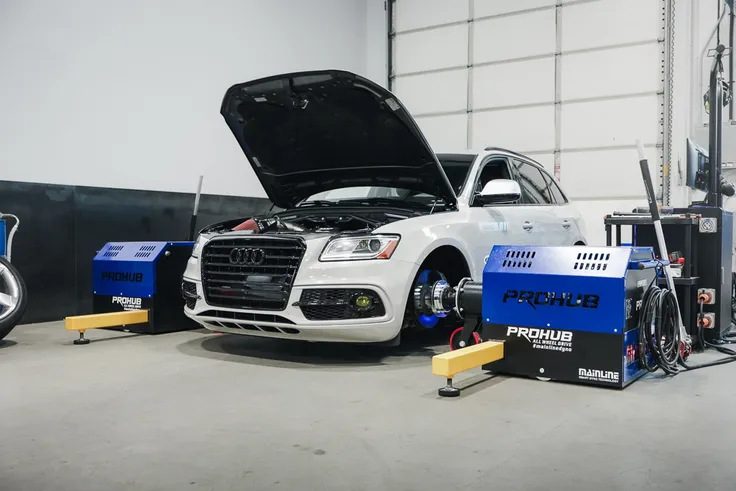
The path from beginner to employable technician builds competence in carefully structured layers. Each step validates the previous one while opening access to the next. Skip a layer, and you risk wasting months relearning basics or discovering too late that your training doesn't match what employers need.
🎯 Key Point: Building mechanical expertise requires a systematic progression through foundational skills before advancing to specialized techniques. Rushing through early stages often leads to costly gaps in knowledge.
"75% of automotive employers report that new hires lack fundamental diagnostic skills because they skipped hands-on practice during training." — National Institute for Automotive Service Excellence, 2024
💡 Tip: Treat each training phase as a building block rather than a hurdle to overcome. The time invested in mastering basics pays dividends when you encounter complex repairs that require solid foundational knowledge.
What types of entry-level positions help you learn how to be a mechanic?
Entry-level positions such as lube technician, service assistant, or apprentice mechanic at independent shops, quick-lube chains, or dealerships transform classroom learning into practical shop skills. These roles pay $12 to $16 per hour and allow you to work on customer vehicles under supervision in a fast-paced environment.
You rotate tires, change oil, inspect brakes, and assist senior technicians with complex jobs. The real value lies in observing how experienced mechanics diagnose intermittent problems, manage upset customers, and complete work when six cars need attention simultaneously.
What practical knowledge do you gain beyond textbook learning?
Most shops expect you to have basic hand tools (wrenches, sockets, screwdrivers) and to be available on weekends. They provide specialty equipment such as lifts, scan tools, and alignment racks.
After six months, you'll recognize patterns textbooks never mention: how certain brake pad brands wear unevenly, which sensors fail most often on specific models, and why some jobs always take longer than labor guides predict. This hands-on knowledge separates technicians who think from those who only follow instructions.
What tools should you buy first when learning how to be a mechanic?
Your tool collection grows with your skills, not before them. Start with a basic mechanic's tool set (around $500 to $1,000) covering common sizes in both metric and SAE. Add specialty tools only when you repeatedly encounter jobs that require them.
Senior mechanics accumulate $10,000 to $50,000 in tools over the years, acquiring each piece because a specific repair required it, not because a tool truck salesman made it appealing.
Why does tool quality matter more than quantity?
Quality matters more than quantity. A reliable torque wrench prevents comebacks from improperly tightened bolts. A good multimeter saves hours on electrical diagnostics. Cheap tools break under load, strip fasteners, and cost you time fixing mistakes.
Many mechanics finance tools through weekly payments by budgeting carefully and avoiding purchases beyond their current skill level.
Stack Certifications to Signal Competence
ASE certifications serve as portable proof of your skills across jobs. Start with the A1 through A8 tests, which cover engine repair, automatic transmissions, brakes, suspension, electrical systems, heating and air conditioning, engine performance, and light-vehicle diesel engines. Each test costs $39 to $68 and requires passing a multiple-choice exam after two years of work experience in that area (or one year with formal training). Certified technicians earn $3 to $10 more per hour than uncertified technicians performing the same work.
How do you maintain certification credibility over time?
Certifications expire every five years, requiring retesting to stay current. If you work at a dealership, pursue manufacturer-specific credentials from brands like Toyota, Ford, or BMW. These programs provide access to proprietary diagnostic software and technical service bulletins unavailable to independent shops. Combining ASE and manufacturer training makes you nearly irreplaceable.
What tools streamline shop operations for mechanics?
Shop management software consolidates scheduling, customer records, invoicing, and job tracking into a single platform. Manual systems scatter customer information across work orders, spreadsheets, and phone logs, leading to lost work orders, double-booked appointments, unclear job statuses, and invoices that take 20 minutes to generate. Our shop management software reduces administrative tasks from hours to minutes while maintaining the accuracy that paper systems cannot match.
How to be a mechanic who advances fastest in their career?
The mechanics who advance fastest treat their careers like long-term investment portfolios. They choose employers who provide training, seek feedback on weak areas, and deliberately practice skills that make them uncomfortable. Growth happens in the gap between what you can do confidently and what still feels difficult.
Technical skill alone won't determine how far you rise or how much you earn.
Tips for Growing Your Career as a Mechanic

Growing your career as a mechanic means building essential skills, learning about new technology, and demonstrating that you are a reliable professional who delivers quality work that shops and customers appreciate. The automotive industry is constantly evolving, making continuous learning and professional development the key differentiators between mechanics who get by and those who advance to higher-paying positions with greater job security.
🎯 Key Point: The most successful mechanics combine technical expertise with strong communication skills and a commitment to ongoing education in emerging automotive technologies.
"Mechanics who invest in continuous learning and professional certifications can earn up to 25% more than those who rely solely on basic skills." — Bureau of Labor Statistics, 2024
Career Growth Strategy: Time Investment vs Expected Outcome
ASE Certifications
Time investment: 6–12 months
Expected outcome: Higher hourly rates and improved career credibility
Hybrid/Electric Training
Time investment: 3–6 months
Expected outcome: Access to premium, high-demand job opportunities
Customer Service Skills
Time investment: Ongoing
Expected outcome: Increased repeat business and referrals
Diagnostic Technology
Time investment: 2–4 months
Expected outcome: Faster and more accurate problem-solving
💡 Tip: Focus on specialization areas like hybrid vehicles, diesel engines, or advanced diagnostics to position yourself as an expert technician who commands premium rates and has access to the most interesting and well-compensated work opportunities.
Pursue Advanced Certifications
Go beyond entry-level credentials and pursue ASE Master Technician status or manufacturer-specific certifications from brands like BMW, Toyota, or Ford. These credentials unlock access to proprietary diagnostic software, factory training courses, and priority placement on high-value repair orders. Certified technicians command higher flat-rate pay because shops trust them with complex jobs that generate more revenue per hour. The investment in study time and exam fees pays back quickly when you progress from diagnosing intermittent electrical faults to calibrating adaptive cruise control systems.
Specializing in Emerging Technologies
Electric vehicles, hybrid powertrains, and advanced driver-assistance systems represent the fastest-growing service categories in 2026. Shops need technicians who understand high-voltage battery management, regenerative braking diagnostics, and sensor calibration for lane-keeping systems. According to the Bureau of Labor Statistics, the automotive service industry will see 49,000 job openings annually through 2034, with specialists in these emerging areas commanding premium wages. Pursue manufacturer training programs or community college courses focused on EV architecture to become the expert your shop relies on for these repairs.
Strengthen Customer Communication Skills
Technical skill fixes cars, but clear communication builds careers. Translate diagnostic findings into language customers understand: explain why a worn control arm bushing affects tire wear and handling, not just that it needs replacement. Strong communicators generate repeat business and positive reviews, directly impacting shop revenue and your value to employers. This skill also prepares you for service advisor or shop foreman roles.
Leverage Modern Shop Management Tools
Efficient shops track job progress, customer history, and billing through integrated digital systems rather than paperwork and scattered spreadsheets. Shop management software handles job tracking with customizable Kanban boards, manages appointments with online booking, maintains detailed customer and vehicle records, creates invoices and estimates, processes payments, and enables direct SMS or email communication with customers. Our Support Lane platform helps technicians demonstrate business awareness and operational efficiency—traits that separate candidates during promotions. Research from WrenchWay shows that 46% of technicians would leave their current job for better pay, but shops investing in modern systems tend to offer higher compensation and better work environments because they operate more profitably.
Build a Strong Professional Network
Connect with technicians at industry events, join online forums like iATN or Reddit's r/MechanicAdvice, and participate in local ASE study groups. These relationships provide mentorship, job leads, and troubleshooting support for unfamiliar problems. A strong network exposes you to different shop cultures and pay structures, helping you recognise when to move for better opportunities.
How Support Lane Supports Your Career as a Mechanic

Finding the right shop matters, but so does having systems that let you focus on work that grows your career. You spend years building diagnostic skills, earning certifications, and mastering complex repairs, yet outdated workflows trap you in administrative chaos. The mechanics who advance fastest recognize that career growth requires technical expertise and operational efficiency working together.
🎯 Key Point: Modern mechanics need more than just technical skills - they need streamlined systems that eliminate time-wasting tasks and create space for skill development and career advancement.
"The most successful automotive technicians are those who combine technical mastery with efficient workflows, allowing them to focus on high-value diagnostic work rather than getting bogged down in paperwork." — Automotive Service Excellence Study, 2023
💡 Tip: Support Lane's integrated platform transforms how you manage customer communications, scheduling, and follow-ups, giving you back hours each week to focus on complex diagnostics, continuing education, and building the specialized expertise that drives career growth in today's competitive automotive industry.
Pursue Advanced Certifications While Streamlining Daily Workflow
Advanced ASE certifications demonstrate your skills and lead to higher-paying positions. However, disorganized shops often squander your diagnostic expertise on administrative tasks. Our Support Lane all-in-one auto repair shop management software solves this problem. Its customizable Kanban board with drag-and-drop stages, multiple pipelines, step-level actions, and time tracking per stage enables efficient job flow while you focus on certified repairs. Auto-generated work order numbers and real-time updates streamline operations, freeing time for skilled work that increases earnings and reputation.
Specialize in Emerging Technologies with Better Job Management
Specializing in EVs, hybrids, and advanced systems positions you as the expert shops need. Poor job visibility, however, leads to missed opportunities on complex repairs. Our job management system addresses this with Kanban views, filters by assigned owner, and detailed job notes. You assign specialized tasks, track progress across stages, and access vehicle mileage logs and VIN decode for quick insights. Color-coded pipelines and archive features keep everything organized, delivering faster turnaround on advanced repairs and positioning you for premium pay.
Strengthen Customer Communication with Integrated Tools
When messages are split across different platforms, customers get lost, and delays mount. According to WrenchWay's 2021 industry analysis, only 46% of technicians are satisfied with their employer, often due to poor systems that frustrate customers. Support Lane consolidates communication through integrated Chat for SMS and email, online booking, and automated 24-hour reminders. Customers book directly, replies arrive instantly, and you maintain customer notes and vehicle history in one place. Streamlined chat and confirmed appointments drive clear communication, higher satisfaction, and stronger customer loyalty through positive reviews and referrals.
Build a Strong Professional Network Through Shop-Wide Efficiency
Networking and industry connections help you grow faster. However, inefficient shops prevent you from taking on leadership tasks or sharing knowledge. Support Lane fixes this by providing tools to manage customers and vehicles, use service templates, and search across all your jobs, invoices, and records in one place. You can quickly find service history to teach others or collaborate on complex problems. Full-text search and reusable service template libraries enable teamwork. This frees you to build connections within your shop and demonstrate leadership skills that lead to promotions.
The most powerful career advantage comes when you stop working harder and start working in an environment built for your success.
Sign up for Your Free Trial to Manage your Auto Shop with Ease Today
You spent years learning how to diagnose misfires, read wiring diagrams, and rebuild transmissions. Those skills matter. But if you stay in shops where chaos eats your time, you'll never earn what those skills deserve. The difference between mechanics who move forward and those who stay stuck isn't technical ability: it's working in environments where systems handle administrative friction so you can focus on repairs that pay.
🎯 Key Point: Your technical skills are valuable, but administrative chaos is stealing your earning potential.
Support Lane gives you that exact environment. Sign up for your free account at https://supportlane.io/, no credit card required. You get immediate access to a Kanban board for visual job tracking, customer management tools with full service history, automated invoicing with online payment processing, and a professional shop website. The platform requires no prior software experience: drag jobs between stages, assign work, send estimates, and track payments without spreadsheets or paper forms.
"Mechanics using digital workflow systems complete 25% more jobs per day compared to those using manual processes." — Automotive Service Industry Report, 2024
Manual Workflow Problems vs Support Lane Solutions
Time wasted searching for paperwork
Support Lane solution: Digital job tracking with instant access
Impact: Faster retrieval, less administrative overhead
Delayed payments from manual billing
Support Lane solution: Electronic processing with faster collection
Impact: Improved cash flow and reduced payment delays
Lost customer history in paper files
Support Lane solution: Complete service records in one system
Impact: Better continuity, personalization, and service accuracy
Missed follow-ups without reminders
Support Lane solution: Automated customer communications
Impact: Increased retention and fewer missed opportunities
Mechanics using the system finish more jobs per day by eliminating time spent searching for paperwork, chasing approvals, or manually updating customers. Shops collect payments faster through electronic processing, improving cash flow and reducing billing disputes. This measurable efficiency becomes evident during performance reviews.
💡 Tip: Digital efficiency becomes your competitive advantage during salary negotiations and promotion discussions.
If you stay in manual workflows while competitors adopt better systems, you fall behind. They handle more jobs, build stronger customer relationships, and earn promotions faster because their shops run more smoothly. Don't let outdated processes limit your career growth.
⚠️ Warning: Every day you delay adopting better systems is another day competitors gain an advantage over your productivity.
Visit Support Lane today and create your free account. Start organizing your workflow immediately. No experience needed, no financial risk—only the tools that let you work like the skilled professional you trained to become. Your technical expertise deserves a modern workspace that maximizes your earning potential.
Related Reading
Ready to modernize your shop?
Join the independent auto repair shops already using Support Lane to manage their jobs, customers, and invoices in one place.