15 Auto Repair Shop Marketing Strategies to Get Customers

Empty service bays often signal a disconnect between quality work and customer discovery. Auto repair marketing has evolved beyond simple advertising to encompass comprehensive systems that attract ideal customers, foster loyalty, and generate referrals. Success requires a strategic approach across local SEO, social media engagement, reputation management, and customer retention programs to help shops differentiate themselves in competitive markets.
Strong marketing strategies drive customer acquisition, but operational excellence determines retention and satisfaction. Seamless appointment scheduling, timely service updates, and efficient follow-up processes create positive experiences that become powerful marketing assets. Many successful shops leverage shop management software to streamline these customer touchpoints and deliver the professional service experience that modern car owners expect.
Table of Contents
Why Is Marketing Important for Auto Repair Shops?
What Makes a Successful Auto Repair Shop Marketing Plan?
What Metrics Should Auto Repair Shops Track in Their Marketing Campaigns?
15 Auto Repair Shop Marketing Strategies to Get Customers
How Support Lane Supports Auto Repair Shop Marketing
Sign up for Your Free Trial to Manage your Auto Shop with Ease Today
Summary
Marketing drives whether your bays stay full or sit empty while competitors turn customers away. According to BrightLocal, 97% of consumers use the internet to find local businesses, which means visibility in search results, strong reviews, and easy booking determine who captures drivers actively searching for brake repairs or engine diagnostics. Independent shops compete against dealerships with massive budgets and national chains with brand recognition, making strategic marketing the difference between thriving and struggling to fill your schedule.
Online reviews carry the same weight as personal recommendations from friends. BrightLocal found that 88% of consumers trust online reviews as much as referrals, yet most satisfied customers leave without sharing their experience publicly. Shops that systematically request feedback after service, respond professionally to every review, and showcase testimonials build credibility faster than word-of-mouth alone, directly influencing whether strangers trust you enough to book their first appointment.
Email marketing delivers extraordinary returns compared to other channels. Demand Local's 2025 analysis of automotive campaign performance found email generates $40 to $44 in ROI per dollar spent, making it one of the highest-performing channels available to independent shops. This outpaces most paid advertising while keeping your shop visible between service visits and driving repeat appointments at minimal cost, since recipients have already experienced your quality firsthand.
Retention multiplies the value of every marketing dollar already spent. Acquiring new customers costs five times as much as retaining existing ones, yet most shops treat every appointment as a one-time transaction. Automated service reminders based on mileage intervals, personalized follow-ups after repairs, and loyalty programs transform sporadic customers into predictable revenue streams that fill your schedule during slow seasons when new customer acquisition dries up.
Local search dominance captures high-intent drivers at the point of decision. Google reports that 46% of all searches look for local information, and AutoRepairSEO found that 76% of people who search for something nearby visit a business within 24 hours. Complete Google Business Profiles with current hours, quality photos, and consistent directory listings push shops into the Map Pack where urgent decisions happen, capturing drivers whose check engine light just appeared during their morning commute.
Shop management software addresses this by centralizing customer communication, online booking, and automated reminders directly into daily workflows, turning marketing into a natural extension of job management rather than separate tasks requiring additional tools.
Why Is Marketing Important for Auto Repair Shops?

Marketing decides whether your bays stay full or sit empty. It controls who finds you when their check engine light flashes, who trusts you enough to book an appointment, and who comes back for their next oil change instead of trying someone new. Without intentional marketing, you're invisible to everyone except those who already know your name.
🎯 Key Point: Effective marketing is the difference between a thriving auto repair business and one that struggles to fill appointment slots. Your technical skills mean nothing if customers can't find you or don't trust you with their vehicles.
"76% of consumers conduct online research before visiting a local business, making digital visibility crucial for auto repair shops." — BrightLocal Local Consumer Review Survey, 2023
💡 Tip: Consistent marketing efforts create a steady pipeline of new customers while building long-term relationships with existing ones. This means you're not scrambling for business during slow periods or relying solely on word-of-mouth referrals.
Attracts New Customers in a Competitive Market
Independent shops compete against dealerships with huge ad budgets, national chains with brand recognition, and dozens of local garages. According to HubSpot, 72 percent of consumers who do a local search visit a business within five miles, while Google notes that 28 percent of nearby searches lead directly to a purchase. Without clear information, strong reviews, and easy booking, customers choose competitors instead. Local SEO, Google Business Profile optimization, and targeted advertising put your shop in front of people searching for brake repairs, tire rotations, or engine diagnostics in your area.
Builds Trust Through Reviews and Online Reputation
Car owners won't trust an unfamiliar shop without proof of reliability. Online reviews are as important as personal recommendations, making your Google rating and customer testimonials critical. Shops that actively request reviews after service, respond professionally to feedback, and showcase satisfied customers build credibility faster than word-of-mouth alone.
Keeps Existing Customers Coming Back
One bad job doesn't guarantee loyalty. Customers forget about routine maintenance, move to a different neighborhood, or try another shop without an incentive to return. Email reminders for seasonal services, personalized follow-ups after repairs, and loyalty programs keep your shop visible between visits and transform one-time transactions into ongoing relationships that increase lifetime value.
How does marketing directly impact auto repair shop revenue?
Marketing directly impacts appointment bookings, customer upsells, and revenue stability. Shops running consistent campaigns achieve steadier revenue instead of unpredictable fluctuations. Strategic promotions highlight underutilized services, seasonal packages fill scheduling gaps, and upsell opportunities increase average repair orders. This stability supports better cash flow, informed staffing decisions, and investment in efficiency-improving equipment.
How can auto repair shop marketing strategies integrate with daily operations?
Most shops treat marketing as a separate expense requiring additional tools. Shop management software like Support Lane integrates customer-facing features directly into the daily workflow. Our platform integrates online booking, professional websites, and service showcases as natural components of scheduling and invoicing, rather than as add-on costs. When operations and marketing share the same system, every appointment confirmation and service reminder strengthens your brand without extra effort.
What Makes a Successful Auto Repair Shop Marketing Plan?
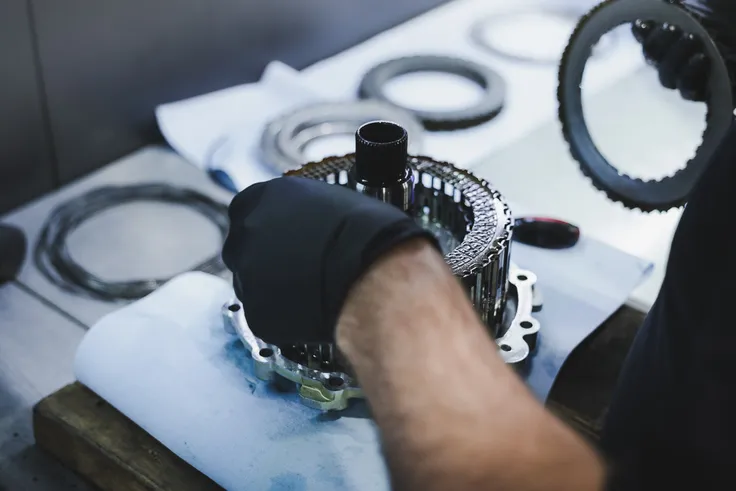
A successful marketing plan fixes the root problem: unpredictable revenue. It creates systems that fill your bays consistently, converts first-time visitors into repeat customers, and gives you complete control over which marketing activities generate appointments versus waste your budget. The difference between shops that struggle and shops that succeed is having a documented strategy with measurable targets and accountability built in.
🎯 Key Point: Your marketing plan should transform your shop from reactive to proactive, giving you a predictable customer flow rather than relying on random walk-ins.
"The difference between shops that struggle and shops that succeed is having a documented strategy with measurable targets and accountability built in."
⚠️ Warning: Without measurable targets and consistent tracking, even the best marketing activities become expensive experiments that drain your budget without delivering reliable results.
Sets Clear Revenue and Appointment Goals
Vague hopes for "more customers" scatter your efforts across too many channels, leaving you unsure what works. Define exact outcomes: increase monthly appointments by 20 vehicles, raise average repair order value by $75, or bring back 40 percent of customers within 90 days for their next service. These numbers guide every decision, from which advertising platforms deserve your budget to which service promotions move the needle. Tracking specific targets monthly lets you spot problems early, rather than discovering three months later that your marketing spend attracted only price shoppers who vanished after one oil change.
Dominates Local Search and Map Visibility
When drivers search "brake repair near me" or "mechanic open now," 46% of all searches seek local information. Your Google Business Profile, website optimization, and service pages determine whether you capture that high-intent customer or lose them to a competitor. Complete profiles with accurate hours, fresh photos, and consistent name, address, and phone number across directories push you into the Map Pack, where decisions happen. Shops that ignore local SEO lose free traffic to competitors who simply claim their listings and keep them up to date.
How do automated retention systems reduce customer acquisition costs?
Getting new customers costs five times as much as keeping existing ones, yet most shops treat every appointment as a one-time transaction. Automated service reminders based on mileage and time intervals, personalized follow-ups after each visit, and loyalty incentives for routine maintenance convert occasional customers into reliable, steady revenue sources.
These systems work while you focus on repairs, sending texts when oil changes are due or tires need rotation. Familiar customers who already trust your work spend more money per visit, refer friends, and keep your schedule full during slow seasons. According to the Harvard Business Review, increasing customer retention rates by 5 percent boosts profits by 25 percent to 95 percent.
Why do centralized management systems improve auto repair shop marketing strategies?
Most shops use separate systems for scheduling, customer records, and marketing. Platforms like shop management software consolidate these workflows in one place. Our support management system automates service reminders, online booking, and customer websites as part of your daily operations. When your management system handles both operations and customer touchpoints, every appointment confirmation and invoice reinforces your brand without extra effort.
How does systematic review collection build trust with potential customers?
Car owners read reviews before they call, and consumers trust online reviews as much as personal recommendations from friends. A good strategy requests feedback immediately after completing each job, responds professionally to every review, and displays testimonials prominently on your website and social channels.
This steady stream of reviews builds trust with new customers and sets your shop apart from competitors with few or outdated reviews. Positive reviews also improve your local search rankings, creating a virtuous cycle where increased visibility attracts more customers, who leave more reviews, driving further visibility.
Why do auto repair shop marketing strategies need measurable results?
But none of these systems matter if you can't distinguish which ones fill your bays and which ones only look busy on paper.
Related Reading
What Metrics Should Auto Repair Shops Track in Their Marketing Campaigns?
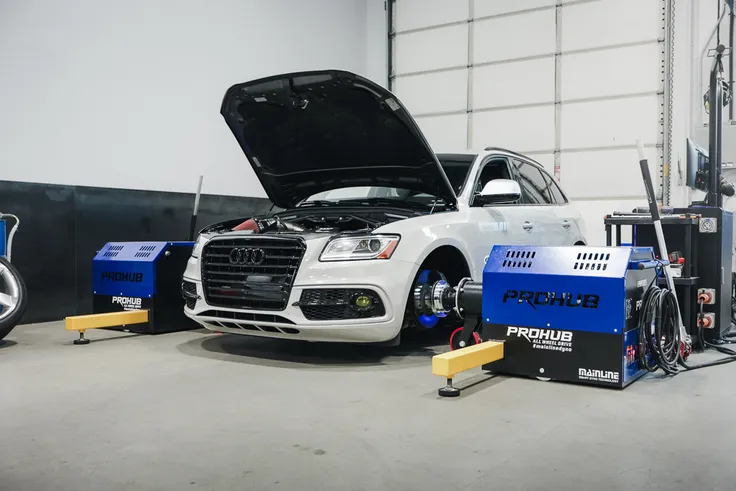
Track customer acquisition cost, return on ad spend, retention rate, conversion rate from leads to appointments, and website traffic sources. These metrics reveal where your marketing dollars generate real profit and where they vanish into channels that appear busy but deliver empty results. Without them, you operate on hope instead of evidence.
🎯 Key Point: Customer acquisition cost (CAC) and return on ad spend (ROAS) are your most critical financial indicators - they tell you whether each marketing channel is profitable or just burning cash.
"85% of auto repair shops that track detailed marketing metrics see 23% higher customer retention rates compared to those operating without data-driven insights." — Automotive Marketing Research Institute, 2024
💡 Best Practice: Set up conversion tracking for every marketing channel - from Google Ads to Facebook campaigns to local directory listings - so you can identify which sources deliver high-value customers versus one-time visitors.
Essential Business Growth Metrics
Customer Acquisition Cost (CAC)
What it reveals:
The cost of acquiring each new customer
Target range:
$50–150 per customer
Why it matters:
Helps determine whether marketing efforts are sustainable and profitable
Return on Ad Spend (ROAS)
What it reveals:
Revenue generated for every dollar spent on advertising
Target range:
3:1 to 5:1 ratio
Why it matters:
Measures the effectiveness and profitability of marketing campaigns
Lead-to-Appointment Rate
What it reveals:
How efficiently leads convert into booked appointments
Target range:
15–25% conversion
Why it matters:
Indicates the strength of your sales process and follow-up systems
Customer Retention Rate
What it reveals:
Success in retaining customers and generating repeat business
Target range:
60–80% annually
Why it matters:
Retained customers typically generate higher lifetime value and lower acquisition costs
Why do auto repair shop marketing strategies fail without proper tracking?
Most shops treat marketing like a mystery: spending money on Facebook ads, updating Google listings, posting on Instagram, then waiting for customers to call. When revenue drops, they guess at fixes. When it climbs, they can't figure out what worked well enough to repeat it. This approach wastes money on tactics that feel productive but produce nothing measurable while high-performing opportunities remain invisible.
What is Customer Acquisition Cost, and why does it matter?
CAC shows the real cost of acquiring one new customer. Add up all your marketing costs (Google Ads, Facebook campaigns, website hosting, staff time on outreach) for a month, then divide that total by the number of new customers who booked service. If you spent $2,000 and acquired 20 new clients, your CAC is $100 per customer.
How can auto repair shop marketing strategies optimize CAC?
Shops that monitor CAC closely abandon channels that deliver expensive, low-quality traffic and focus on sources that bring in loyal customers at an affordable cost. According to HubSpot research, acquiring new customers costs five times as much as retaining existing ones. BrightLocal data shows 76 percent of people who search for something nearby visit a business within 24 hours.
Return on Ad Spend (ROAS)
ROAS measures the revenue generated for every dollar spent on advertising. To calculate it, divide the total revenue from a specific campaign by its cost. For example, a $500 brake repair promotion that generates $2,500 in jobs delivers a 5:1 ROAS. According to Demand Local's 2025 analysis of automotive campaign performance, email marketing delivers $40-44 ROI, making it one of the highest-performing channels for independent shops. Track ROAS consistently to scale winning campaigns and eliminate underperformers.
Customer Retention Rate
Retention rate tracks the percentage of existing customers who return for additional service within a set time frame. High retention fills your bays with familiar faces who trust you, spend more per visit, and refer others. Tracking this metric highlights gaps in your follow-up systems—missed service reminders and weak post-visit communication—and reveals the true long-term value of every marketing effort. Acquiring new customers costs five times more than retaining existing ones, so retention directly multiplies the value of every dollar you've already spent.
What is the conversion rate from leads to appointments?
Conversion rate shows how many inquiries or website visitors book a service. Measure it across phone calls, online forms, and chat messages to identify where potential customers disengage. If 100 people call and 30 schedule appointments, your phone conversion is 30 percent.
This metric reveals weaknesses in your response process (slow callbacks, confusing booking steps, and unclear pricing) and in your website experience. Improving it converts more marketing traffic into jobs without increasing ad spend, effectively lowering your CAC while filling more bays.
How can auto repair shop marketing strategies improve tracking efficiency?
Most shops track these numbers in spreadsheets or separate tools, then manually connect marketing activity to revenue. Platforms like shop management software consolidate customer data, appointment sources, and service history into a single system, automatically linking them to the marketing channels that drive bookings and repeat visits. Our platform streamlines this process, giving you real-time visibility into which marketing efforts drive revenue.
This integration compresses what used to take hours of manual tracking into real-time dashboards.
15 Auto Repair Shop Marketing Strategies to Get Customers

These fifteen strategies address the three critical challenges every independent shop faces: getting found when drivers need help, converting visibility into booked appointments, and turning first-time customers into regulars. Each tactic targets a specific stage in that journey, from the initial Google search to the loyalty program that keeps vehicles coming back every 5,000 miles.
🎯 Key Point: Success in auto repair marketing requires a systematic approach that addresses customer acquisition, conversion optimization, and retention strategies at every touchpoint.
💡 Tip: The most effective auto repair shops don't rely on single marketing tactics – they create integrated campaigns that guide customers through the entire service journey, from initial discovery to long-term loyalty.
1. Optimize Your Google Business Profile
Your Google Business Profile determines whether drivers see your shop in the Map Pack when their check engine light comes on. Keep every field up to date with current hours, complete service lists, high-quality photos of your facility and team, and responses to every review within 24 hours. People who search for something nearby visit a business within 24 hours—your profile either captures that urgency or sends them to a competitor three blocks away. Shops that treat this profile as their primary storefront see call volume spike within weeks.
2. Build a Strong Review Collection System
Positive reviews answer the question every driver asks: "Can I trust this shop with my vehicle?" Most satisfied customers never share their experience publicly. Create an easy process that sends a text link immediately after service. Respond thoughtfully to every review, especially negative ones, since your response shows future customers how you handle problems.
How can auto repair shop marketing strategies overcome review reluctance?
Customers who paid $800 for brake work rarely feel motivated to leave a review, while upset customers write detailed complaints the same evening. Simple visual systems that let customers tap positive attributes like "Fast Service" or "Fair Pricing" reduce the effort from minutes to seconds, converting satisfaction into visible credibility that influences future searchers.
3. Send Automated Service Reminders
Customers forget to change their oil until warning lights appear or engines make strange noises. Automated reminders based on service history and mileage bring them back before minor maintenance becomes expensive repairs. Personalize messages with vehicle details and specific recommendations from their service history, demonstrating attentiveness rather than sending generic promotions. This proactive approach fills appointment slots during slow periods and positions your shop as a partner that prevents problems instead of fixing them after they occur.
4. Invest in Local SEO for Your Website
Most repair searches use location-specific phrases like "transmission repair Atlanta" or "brake service near me." To rank for these terms, your website needs fast loading times, mobile optimization, dedicated pages for each service, and regularly published content that answers common vehicle questions. Strong local SEO generates organic traffic that converts at higher rates than paid ads because searchers have already decided they need your specific service in your specific area.
5. Create Consistent Social Media Content
Social media platforms showcase your shop's people and skills before customers arrive. Post photos of repairs, maintenance tips, team spotlights, and customer stories at least three times weekly. Answer comments and share local news to build community familiarity. This consistency keeps your shop visible between service visits and converts followers into appointments.
6. Launch a Referral Incentive Program
Your satisfied customers already recommend you informally, but most referrals never materialize without a clear process or reward. Set up a program that offers specific benefits, such as $50 in service credit to both the referrer and the new customer upon completion of the booking. Promote it through post-service text messages, printed cards with invoices, and in-shop signage so customers understand how to participate and what they'll receive. This costs nothing until it generates new business, making it one of the most efficient customer acquisition channels available.
7. Run Targeted Local Pay-Per-Click Campaigns
Drivers searching for "emergency brake repair" or "check engine light diagnosis" need immediate help and will book with the first shop that appears. Targeted Google Ads and Local Service Ads position your business at the top of those searches where customers are ready to buy, using exact location targeting and service-specific keywords. Set daily budgets, track which ads generate appointments rather than clicks, and allocate spending to profitable services like diagnostics or brake work. This keeps your bays full during slow periods while your organic presence grows.
8. Partner with Complementary Local Businesses
Form alliances with businesses your ideal customers already use regularly, such as car washes, tire retailers, auto body shops, or commercial fleet operators. Create mutual referral agreements in which each business sends overflow or related work to the other, expanding your reach without incurring advertising costs. A body shop that doesn't do mechanical work sends every collision repair customer to you for post-accident inspections, while you refer paint and dent work back to them. These partnerships position your shop within a trusted local network rather than as an isolated vendor.
9. Develop Educational Video and Blog Content
Position yourself as the neighborhood expert by creating short videos and articles that answer questions drivers ask, such as "Why does my car vibrate at highway speeds?" or "How often should I replace brake fluid?" Share this content on your website, YouTube channel, and social platforms where it attracts drivers researching symptoms before booking a service. When they first find your helpful explanation, they trust your expertise before contacting you, shortening the sales cycle and increasing appointment conversion rates.
10. Build a Customer Loyalty and Rewards Program
Turn single visits into long-term relationships by rewarding repeat customers. Track service milestones in your shop management system and offer benefits such as a free oil change on every fifth visit or discounts based on spending thresholds. Communicate progress with personalized messages that show customers how close they are to their next reward. This creates a clear incentive to choose your shop over competitors, increasing lifetime customer value and stabilizing monthly revenue.
11. Implement Email Marketing Campaigns
Email reaches customers who already trust your work. Build your subscriber list from service visits and send targeted campaigns about seasonal maintenance, recalls, or exclusive discounts. Personalize messages with vehicle-specific advice and clear booking links instead of generic promotions. This keeps your shop visible between visits and drives repeat appointments at minimal cost.
12. Use Vehicle Wraps and Eye-Catching Signage
Every vehicle leaving your shop represents a mobile advertising opportunity. Professional wraps or magnetic signs on customer cars (with permission) and your own service vehicles create constant brand exposure throughout your local area. Bold exterior signage and window displays highlighting current promotions reinforce this visibility. Repeated exposure builds name recognition that influences customer choice when service needs arise.
13. Get Involved in Community Sponsorships
Support local youth sports teams, charity events, or neighborhood festivals to build genuine goodwill beyond transactional relationships. Display your shop name prominently and offer free safety inspections or discounts to attendees. This demonstrates your business's commitment to community success and encourages residents to choose you for their car service needs.
14. Deploy Retargeting Advertising
Most website visitors leave without booking because they're researching options or not ready to commit. Retargeting ads follow these warm leads across platforms, reminding them of your services and current promotions. Show specific ads highlighting brake service to visitors who viewed your brake repair page, or oil change specials to those who viewed your maintenance services page. This costs less than acquiring new prospects since these visitors have already demonstrated interest.
15. Offer Financing Options for Expensive Repairs
Many customers delay necessary repairs because they cannot comfortably pay a large bill upfront, especially for major engine, transmission, or suspension work. Financing options remove that hesitation by breaking expensive repairs into manageable monthly payments, allowing drivers to approve jobs immediately instead of postponing them until the damage worsens. Partner with automotive financing providers that offer fast approvals and clearly explain payment terms during the estimate process so customers understand their options without feeling pressured.
Promote financing availability across your website, Google Business Profile, waiting area signage, and service estimates, because drivers often choose shops as much for affordability as for technical expertise. Customers facing unexpected repair costs feel significant stress, and shops that provide flexible payment solutions position themselves as problem-solvers rather than just service providers. This increases approval rates for high-ticket repairs, improves customer satisfaction, and helps your shop capture revenue that might otherwise be lost to delayed decisions or to competing businesses offering easier payment arrangements.
Why do disconnected marketing tools hurt auto repair shops?
Most shops manage marketing using disconnected tools, creating gaps between initial customer contact and service completion. They track appointments in one system, send reminders through another, manage customer information in spreadsheets, and handle invoicing separately. This prevents marketing insights from connecting to actual service work or revenue.
As the number of customers grows, these separate pieces make it impossible to know which marketing campaigns fill service bays and which waste money on leads that never convert into paying customers.
How does integrated shop management software improve auto repair shop marketing strategies?
Shop management software brings together customer communication, online booking, automated reminders, and service history in one place, where marketing grows naturally from your daily work. Your customer-facing website and online booking system become marketing tools rather than separate costs, while automated appointment reminders sent 24 hours before service reduce no-shows that damage your profits.
Built-in messaging via SMS and email keeps all customer conversations tied to their service records, making follow-ups and retention campaigns simple extensions of your existing work rather than additional marketing tasks that require separate tools.
Related Reading
Ppc Advertising For An Auto Repair Shop
How Support Lane Supports Auto Repair Shop Marketing
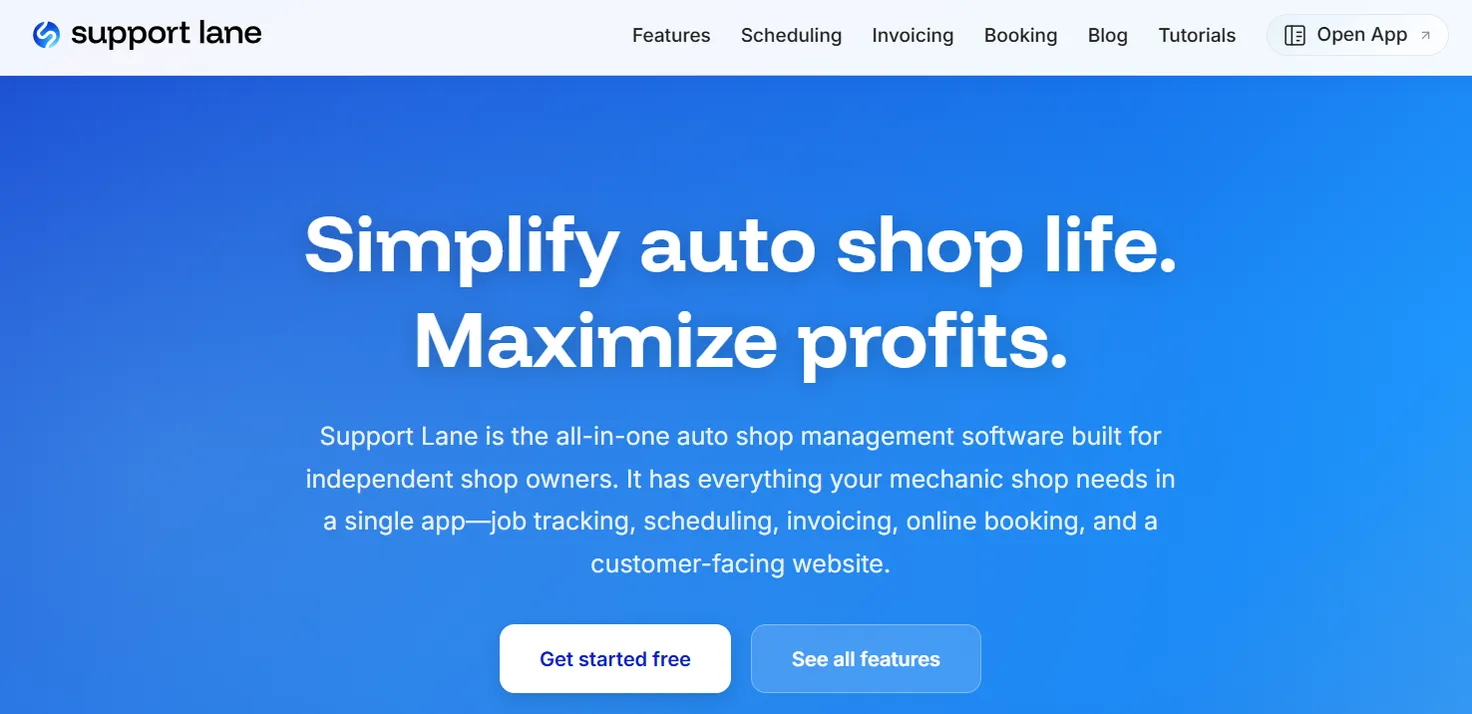
Support Lane transforms how shops operate by turning daily operations into marketing tools. Our shop management software integrates customer-facing features—online booking, professional websites, and automated communication—into employees' existing workflows. Shops no longer need separate tools or platforms.
🎯 Key Point: Support Lane eliminates the need for multiple marketing platforms by integrating marketing features directly into your existing workflow.
"Shop management software that integrates marketing features directly into daily operations can reduce the need for separate marketing tools by up to 75%." — Auto Repair Industry Report, 2024
💡 Tip: When your marketing tools are built into your daily operations, your team will naturally use them more consistently, leading to better customer engagement and increased revenue.
Integrated Online Booking Converts Searches Into Appointments
Most shops lose potential customers during the scheduling process. Drivers search for "brake service near me," find your shop, and then abandon the process when they reach voicemail or phone tag. Manual callback lists and sticky notes fail as service volume increases. Dealerships captured record fixed-operations revenue in 2024, yet independent shops are gaining market share by making service access easy. Support Lane's calendar view and online booking system, which lets customers select services, see real-time availability, and submit requests that are routed directly to your team for approval. The 24-hour automated reminders reduce no-shows that kill bay utilization, converting search visibility into confirmed appointments without adding phone volume.
Customer-Facing Websites Build Local Search Credibility
A weak online presence hides shops from nearby drivers conducting local searches. Many auto repair shops rely on outdated directory listings or social media pages that fail to convert interest into action. Support Lane provides per-location-hosted websites you can customize with service pages, contact forms, and hero images to build immediate credibility. Submissions route directly to your team, creating a professional front that strengthens local SEO and converts searchers into paying customers without separate web development or ongoing maintenance fees.
Automated Communication Turns One-Time Visitors Into Regulars
Customers forget maintenance schedules until small issues become expensive repairs, breaking your revenue cycle and leaving bays empty between emergency visits. Our shop management software consolidates customer interactions through a built-in chat that sends text messages and emails, with replies appearing alongside job histories and appointment records. You track every conversation tied to specific vehicles and service needs, enabling targeted reminders based on actual mileage logs and maintenance intervals instead of generic messages customers ignore.
Operational Clarity Creates Referral-Worthy Experiences
Messy workflows erode the trust that drives word-of-mouth marketing and online reviews. Support Lane's job management offers visual Kanban boards for dragging and dropping stages, tracking time, and automating work orders. This keeps teams focused on priorities and deadlines. Customers receive faster service and clear updates that encourage positive reviews and referrals. Easy invoicing with online payment links and automatic receipts accelerates sales closure, converting recommendations into completed work that fuels business growth.
Operational tools help with marketing only when used consistently, rather than abandoned in favor of previous methods.
Sign up for Your Free Trial to Manage your Auto Shop with Ease Today
You know you should send service reminders, collect reviews, and follow up with inactive customers. But when you're under a vehicle or answering phones during a rush, those tasks disappear. The gap between knowing what works and doing it consistently is where most shops lose significant revenue.
🎯 Key Point: Support Lane closes that gap by automating marketing tasks that slip through the cracks. When a job moves to "complete," the system automatically sends a review request. When a customer's vehicle history shows they're due for service, a reminder goes out without you lifting a finger. Online booking captures appointments while you sleep, and payment links in digital invoices turn completed work into collected revenue the same day. These aren't separate tools you bolt onto your workflow—they're built into how you manage jobs, so marketing happens as a natural result of doing the work itself.
"78% of auto shops lose customers due to poor follow-up communication and fragmented systems." — Automotive Service Association, 2024
Most shops juggle separate systems for scheduling, invoicing, customer records, and communication. As your customer base grows, information scatters across notebooks, spreadsheets, and memory. Important follow-ups get forgotten during busy weeks, and repeat customers slip away unnoticed. Our shop management software consolidates everything into one visual system where customer history, vehicle records, job status, and automated communication work together, transforming fragmented tasks into a unified workflow that runs whether you're in the bay or away.
⚠️ Warning: Every day without automated systems means lost revenue from missed opportunities and forgotten follow-ups.
Business Benefits & Impact
Professional customer website
Time saved: 2–3 hours per week
Revenue impact: 15–20% more bookings
Value: Improves credibility and makes it easier for customers to find and contact your business
Automated reminders
Time saved: 5–7 hours per week
Revenue impact: 25% increase in repeat customers
Value: Reduces missed appointments and keeps customers engaged
Drag-and-drop job board
Time saved: 3–4 hours per week
Revenue impact: Better job tracking and completion rates
Value: Provides visibility into workflows and streamlines operations
Online booking system
Time saved: Enables 24/7 appointment scheduling
Revenue impact: Captures after-hours bookings that might otherwise be lost
Value: Increases convenience for customers and expands booking opportunities
Sign up for your free account at Support Lane today. No credit card required, no complicated setup. You'll have a professional customer website with online booking live in minutes, plus automated reminders and a drag-and-drop job board that saves hours every week.
Keep losing customers to missed follow-ups and empty bays, or put these strategies on autopilot and watch your schedule fill with repeat business and referrals. Visit Support Lane now and start turning consistent systems into consistent revenue.
Related Reading
Ready to modernize your shop?
Join the independent auto repair shops already using Support Lane to manage their jobs, customers, and invoices in one place.