Auto Repair Shop Profit Margin: A Guide for Mechanics

Running an auto repair shop means juggling labor costs, parts pricing, overhead expenses, and customer expectations while maintaining profitability. Many shop owners struggle with a fundamental question: Is their profit margin healthy, or are they leaving money on the table? Strong profit margins separate thriving shops from struggling ones, and understanding industry benchmarks helps owners make smarter operational and auto repair marketing decisions. Practical strategies can significantly boost bottom-line performance when applied consistently.
Understanding profit numbers matters, but tracking them consistently challenges most shop owners. Real-time visibility into labor rate effectiveness, parts markup performance, and overall profitability enables informed decision-making without the complexity of spreadsheets. When owners can identify which services generate the best returns and where revenue leaks occur, they make decisions that directly increase profit margins and build sustainable businesses through effective shop management software.
Table of Contents
What Is the Average Auto Repair Shop Profit Margin?
Why Are Some Auto Repair Shops More Profitable Than Others?
How Do Labor Costs Affect Shop Profitability?
Factors Affecting an Auto Repair Shop's Profit Margin
How to Maximize the Profit Margin for Your Auto Repair Shop?
How Support Lane Helps Auto Repair Shops Increase Profit Margins
Sign up for Your Free Trial to Manage your Auto Shop with Ease Today
Summary
The average auto repair shop operates on a net profit margin between 5 and 10 percent, with most independent shops clustering around 6.3 percent while well-managed operations push toward 12 to 20 percent. That gap between average and excellent reveals how much control shop owners actually have over their financial outcomes through disciplined cost control and workflow optimization.
Labor costs typically represent 20 to 35 percent of total revenue for most service businesses, but the real story lies in the ratio of paid to productive hours. Recent Bureau of Labor Statistics data show that automotive repair productivity declined 6.1 percent, while unit labor costs jumped 10.8 percent in the same period, meaning shops paid more for less output. A shop that improves technician utilization from 75 percent to 82 percent effectively creates $46,000 in new billable capacity without hiring anyone or raising wages.
Service labor generates 50 to 65 percent margins because shop owners control pricing and efficiency directly, while parts deliver only 20 to 30 percent since supplier costs and market competition compress markups. Shops that lean into diagnostic work, maintenance packages, and skilled technician hours build steadier cash flow than those chasing parts volume, because the math favors expertise over inventory every single time.
Most shops lose money through invisible inefficiencies buried in their daily workflow. Paperwork orders get misplaced, invoices sit unfinished because owners juggle three separate tools for estimates and billing, and technicians waste minutes per job switching between systems. These minutes feel trivial in the moment but compound into hours of lost productivity each week, turning what looked like healthy top-line growth into break-even months.
Parts markup can range from 20 to 40 percent above wholesale cost, but that spread means nothing if the service mix emphasizes low-margin oil changes over high-margin diagnostics. Shops that analyze which services generate the strongest returns per labor hour and actively promote those offerings build revenue density that weak pricing strategies cannot match, with top performers consistently landing in the 10 to 15 percent net margin range through granular job tracking.
Shop management software addresses this by consolidating job tracking, scheduling, invoicing, and customer records into a single interface, eliminating redundant data entry and manual reconciliation that can turn profitable jobs into break-even work as small pricing errors compound across dozens of daily transactions.
What Is the Average Auto Repair Shop Profit Margin?
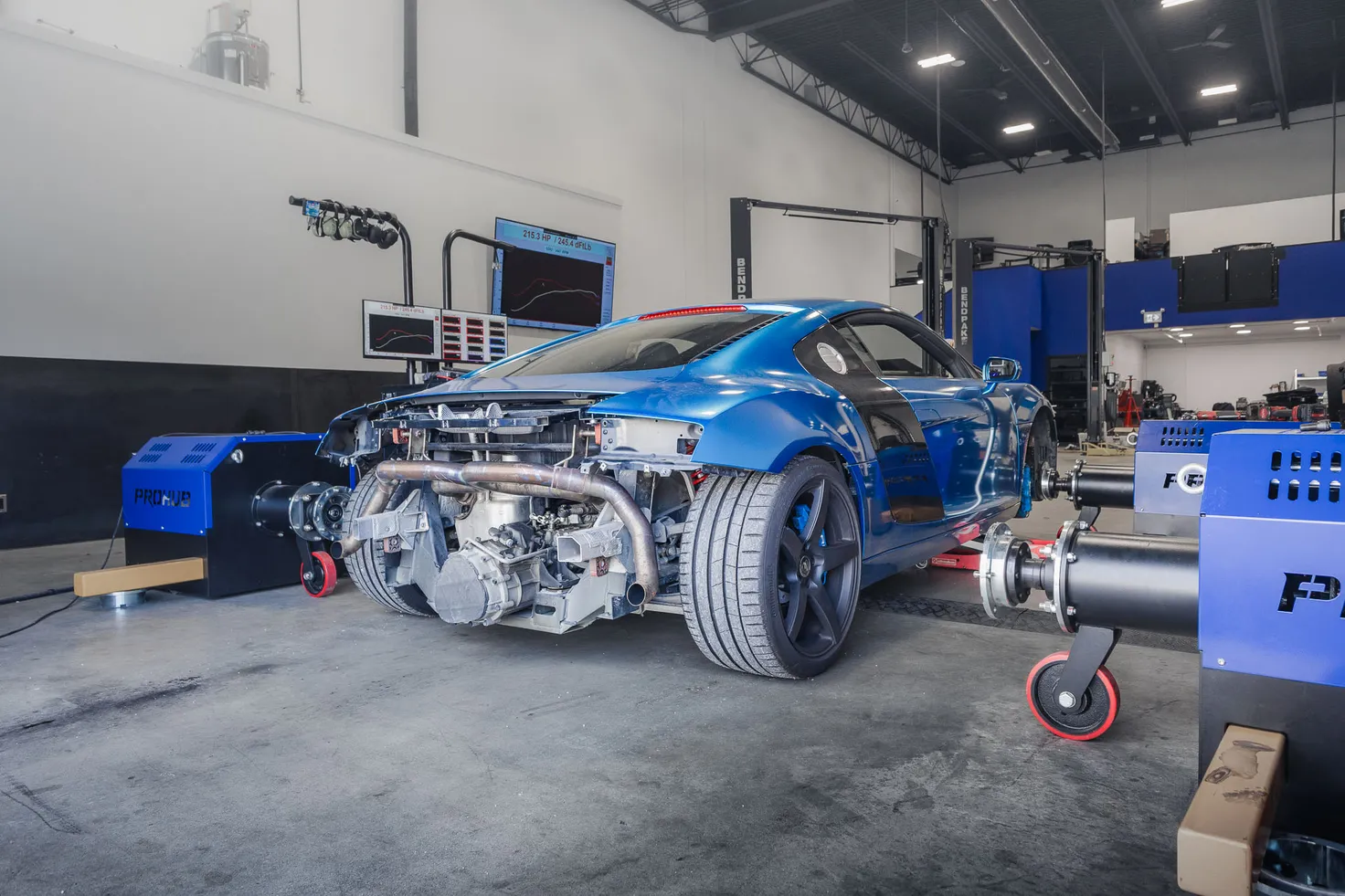
The average auto repair shop operates on a net profit margin between 5 and 10 percent after expenses. According to 2026 industry statistics, the U.S. auto repair sector recorded an average net profit margin of 5.8 percent. Broader financial analyses of the repair and maintenance services sector show operating profit margins reaching around 9 percent in strong-performing years, indicating room for improvement through tighter cost control and operational focus.
Key Point: Most auto repair shops operate on relatively thin margins, making cost management and operational efficiency critical for profitability and long-term success.
"The U.S. auto repair sector recorded an average net profit margin of 5.8 percent in 2026, with operating profit margins reaching around 9 percent in strong-performing years." — Industry Statistics, 2026
Tip: Understanding these industry benchmarks helps shop owners identify whether their current margins are competitive or if there's room for strategic improvements in pricing and cost structure.
Gross versus net tells different stories
Gross profit margin measures what remains after direct costs like parts and technician wages, typically 50 to 60 percent for most shops. Net profit margin reveals the harder truth: after rent, utilities, insurance, marketing, and administrative salaries, you're left with 6 to 10 percent. This gap demonstrates how overhead quietly drains revenue, often untracked until cash becomes tight.
Labor margins outperform parts every time
Service labor creates 50 to 65 percent profits because you control pricing and efficiency. Parts generate only 20 to 30 percent profits, as supplier costs and market competition limit markups. Shops that focus on diagnostic work, maintenance packages, and skilled technician hours build steadier cash flow than those relying on parts sales.
Tracking reveals what guessing hides
Most shop owners run their business on gut feelings, checking the bank balance at month's end, and hoping it's sufficient. When you track labor rate effectiveness, parts markup performance, and service profitability in real time, patterns emerge quickly. You identify which jobs consume hours without generating profit, which customers dispute every invoice, and which technicians consistently finish jobs faster than expected. Our shop management software replaces spreadsheets and guesswork with dashboards that reveal exactly where money is being lost, enabling you to adjust pricing, scheduling, and service options before the month's end.
Location and service mix shift the numbers
Urban shops incur higher rent costs, consuming 3 to 5 percent of revenue, but higher customer volume and prices often compensate. Shops specializing in European imports or diesel work command premium labor rates compared to general repair shops. Effective inventory management, technician productivity, and customer satisfaction drive profits more than most owners recognize. Shops achieving 15 percent net profit measure daily and adjust quickly.
Understanding why some shops make twice the industry average while others barely get by requires examining what makes some shops run smoothly and others encounter problems.
Why Are Some Auto Repair Shops More Profitable Than Others?
Profitable shops measure what matters, eliminate workflow friction, and make deliberate choices about which jobs to accept and how to price them. The most successful auto repair businesses focus on key performance indicators like labor efficiency, parts markup, and customer retention rates rather than total revenue alone.
Key Point: The difference between profitable and struggling shops often comes down to systematic measurement and strategic decision-making rather than technical skill alone.
"Top-performing auto repair shops typically achieve profit margins of 15-25% compared to the industry average of 8-12%." — Automotive Service Association, 2024
Tip: Successful shops consistently track their average repair order value, bay utilization rates, and technician productivity to identify opportunities for improvement and ensure every job contributes to overall profitability.
Diagnostic Speed Separates Winners from Survivors
The critical difference is diagnostic efficiency, not technician skill alone. When a mechanic spends three hours hunting an electrical fault that should take forty-five minutes, you've wasted unbillable labor hours and delayed the next customer. Top shops invest in diagnostic training and modern scan tools that cut troubleshooting time by half or more. That speed compounds across every bay and day, converting the same labor capacity into significantly higher billable revenue without adding staff or space.
Service Specialization Drives Margin Concentration
Profitable operations focus on high-margin service categories where their team excels, and local demand is strong. If your technicians complete brake jobs faster and with fewer comebacks than competitors, promote brake services aggressively, and build systems that make those jobs nearly automatic. Shops that chase every repair type end up average at everything, while specialists charge premium rates because customers trust depth over breadth. Top shops earn significantly more than average shops by concentrating effort where returns are highest. According to a 2023 analysis of the Canadian automotive repair and maintenance sector, average profit margins stood at 7.5 percent, reflecting the challenges independent shops face with rising costs and competition while highlighting the upside available to those who optimize operations and pricing.
Fragmented Systems Leak Profit Every Single Day
Most shops lose money through invisible inefficiencies: misplaced work orders force technicians to repeat diagnostics, invoices sit unfinished across three separate tools, and customers wait on hold without visibility into parts or vehicle location. Platforms like shop management software centralize scheduling, estimates, invoicing, and customer records in one place. Shops report cutting administrative time by hours per day, enabling more billable work and fewer costly mistakes requiring expensive rework.
Customer Lifetime Value Beats One-Time Discounts
Shops that attract new customers with Groupon deals or cheap oil changes rarely generate lasting profits. The real money comes from repeat business: clients returning every six months for maintenance, trusting your recommendations, and referring friends unprompted.
Profitable shops track service history, send timely reminders, and treat every interaction as an opportunity to build stronger relationships. This loyalty reduces marketing spend to nearly zero while enabling higher prices, since customers value the relationship over seeking the cheapest rate in town.
What cost category still determines monthly profit outcomes?
Yet even with loyal customers and efficient workflows, one cost category determines whether your month ends in profit or panic.
Related Reading
How Do Labor Costs Affect Shop Profitability?
Labor costs determine whether your shop converts revenue into real profit or simply moves money through the business. When technician wages, benefits, and payroll taxes consume revenue faster than billable hours generate it, every repair loses money before parts or overhead factor in.
Key Point: Labor efficiency is the difference between a profitable repair and a money-losing job - even before you factor in parts costs or shop expenses.
"Labor costs that exceed billable hour revenue turn every repair into a loss leader before the work even begins." — Automotive Service Excellence Study, 2023
Warning: Many shops focus on parts markup and hourly rates while ignoring the real profit killer - labor cost ratios that exceed 65-70% of total revenue consistently drain profitability.
How do unproductive hours impact an auto repair shop's profit margin?
Shops that don't track the gap between paid hours and productive hours watch labor expenses quietly erase what looked like healthy top-line growth. Labor costs typically represent 20-35% of total revenue for most service-based businesses.
A technician earning $30 per hour who bills 6.5 hours in an eight-hour shift costs you more per completed job than one billing 7.5 hours at the same wage. This difference compounds across weeks and months, making scheduling inefficiencies the primary factor separating profitable months from break-even ones.
Why do higher wages hurt auto repair shop profit margin?
Raising customer rates seems like the obvious answer when wages go up, but this logic breaks down because it assumes productivity remains constant. Recent Bureau of Labor Statistics data show that automotive repair productivity declined by 6.1%, while unit labor costs jumped by 10.8% in the same period.
Shops paid more for less output, and higher customer rates couldn't close the gap before price-sensitive customers went elsewhere.
How does lost productivity between jobs impact profit margins?
The real damage happens in the hours between jobs: waiting for parts, redoing comebacks, hunting for tools, or sitting idle between appointments. Paid time becomes pure cost with zero revenue offset.
A shop operating at 70% utilization pays full wages for 30% of the day when it generates no output. This lost productivity forces you to spread fixed costs, such as rent and insurance, across fewer billable jobs, raising the true cost of every repair you complete.
How does technician utilization impact auto repair shop profit margin?
High-performing shops push technician utilization above 80% through tight scheduling, proper investment in tools, and workflow systems that eliminate waiting. Each percentage point of utilization improvement directly translates into net profit by converting paid time into billable work.
A shop with $500,000 in annual labor costs that improves utilization from 75% to 82% creates $46,000 in new billable capacity without hiring or raising wages.
What systems prevent shops from maximizing utilization?
Most shops lose productivity through fragmented systems. Technicians waste minutes per job switching between paperwork orders, separate invoicing software, and manual inventory checks. These minutes add up to hours of lost productivity each week.
Shops using shop management software like Support Lane to centralize scheduling, estimates, and invoicing eliminate these transitions, reducing non-billable time and increasing billable hours.
How do you calculate true labor cost per billable hour?
Your true labor cost per billable hour includes wages, payroll taxes, workers' compensation, health benefits, training, and non-billable time. Most shops calculate this wrong by dividing total technician wages by total hours worked, missing that only billable hours generate revenue.
If your fully loaded technician cost is $45 per hour and utilization is 70%, your real cost per billable hour jumps to $64.29. This determines whether your $120 labor rate yields a profit or merely covers expenses.
Why does weekly tracking improve the Auto Repair Shop Profit Margin?
Shops that track this metric weekly spot problems before they destroy quarterly results. When the cost per billable hour rises, you know immediately whether the cause is declining productivity, rising wages, or increased non-billable time.
Each root cause needs a different fix. Throwing a blanket rate increase at the problem without diagnosing its source accelerates customer attrition while underlying waste persists.
Labor costs don't operate in isolation. Focusing only on technician efficiency misses half the equation that determines whether your month ends in profit or loss.
Factors Affecting an Auto Repair Shop's Profit Margin

While labor determines how efficiently you convert time into revenue, parts, overhead, and service mix control how much of that revenue reaches your bank account. Labor costs typically account for 60-70% of total operating expenses in auto body shops, but the remaining 30-40% is equally critical in determining whether you operate at 5% margins or 15%.
Key Takeaway: While most shop owners focus heavily on labor efficiency, the non-labor factors can make or break your profit margins—turning a struggling 5% margin into a thriving 15% margin.
"Labor costs typically account for 60-70% of total operating expenses in auto body shops, but the remaining 30-40% is just as important in determining profitability." — National Auto Body Research
Warning: Don't fall into the trap of only optimizing labor costs. Parts pricing, overhead management, and service mix strategy often provide the easiest wins for improving your bottom line.
Parts Procurement and Inventory Control
How you mark up different products matters less than staying disciplined about what you buy and how much you keep in stock. Shops that negotiate supplier contracts annually and monitor usage patterns protect themselves when wholesale prices rise. Excess inventory ties up cash in slow-moving products while storage costs accumulate monthly. Rush orders to cover stockouts force you to accept whatever profit margin the supplier offers, often half your normal margin. Shops that maintain lean inventory by reviewing usage weekly and setting automatic reorder points preserve cash flow and steady profits.
Fixed Overhead and Facility Costs
Rent and utilities set a profit floor that every job must clear before you earn anything. A shop paying $8,000 in monthly fixed costs needs to generate enough gross profit to cover those costs before the first dollar counts as net income. Urban locations promise higher traffic but demand rents that consume an additional 3-5 percentage points of margin compared to suburban alternatives. Energy-efficient lighting, programmable thermostats, and annual lease reviews compound over 12 months: the difference between a 10% net margin and 13% often lies in these controllable monthly drains that most owners review once at lease signing and never revisit.
How does the service mix impact the auto repair shop's profit margin?
Parts markup ranges from 20-40% above wholesale cost, but this spread means nothing if your service mix emphasizes low-margin oil changes over high-margin diagnostics. Shops that analyze which services generate the strongest returns per labor hour and actively promote those offerings build revenue density that weak pricing strategies cannot match.
Strategic pricing requires knowing your true cost per service, including allocated overhead, and then adding a margin that reflects local market conditions and your level of expertise. Reactive price cuts to match competitors create a race to unsustainable margins.
Why do fragmented systems hurt auto repair shop profit margin?
Most independent shops handle parts ordering across different suppliers' websites, track inventory in spreadsheets, and manage pricing with mental calculations. As service volume grows, this fragmented approach creates margin leakage.
Platforms like shop management software consolidate parts tracking, automate reorder alerts based on usage patterns, and maintain consistent markup rules across all estimates, eliminating pricing errors that accumulate across daily transactions.
How does customer loyalty impact an auto repair shop's profit margin?
Loyal customers cost less to serve and create predictable monthly revenue that smooths seasonal demand. A stable client base reduces marketing costs while supporting premium pricing through established trust.
Shops in saturated markets face constant pressure to discount, but specialized expertise or exceptional service quality creates pricing power that commodity competitors cannot match.
Why is customer lifetime value crucial for profit margins?
The lifetime value of a customer who returns for 10 years of maintenance exceeds that of any single high-margin job, yet most shops prioritize chasing new business over nurturing existing relationships.
These factors work together, creating profit multipliers when aligned and margin traps when ignored.
Related Reading
Ppc Advertising For An Auto Repair Shop
How to Maximize the Profit Margin for Your Auto Repair Shop?

Making the most profit starts with understanding which factors change the numbers. Most shops focus on raising labor rates or marking up parts, but real gains come from eliminating hidden waste in daily operations. Tightening scheduling, reducing non-billable hours, and streamlining information flow create margin without adjusting pricing.
Key Point: The biggest profit opportunities in auto repair shops aren't found in price increases—they're hidden in operational inefficiencies that drain revenue every single day.
"Shops that focus on operational efficiency see 25-40% higher profit margins compared to those that rely solely on pricing strategies." — Automotive Service Excellence Report, 2024
Pro Tip: Track your non-billable hours for one week to identify where you're losing time and money. Most shop owners are surprised to discover they're losing 15-20% of potential revenue to poor scheduling and workflow issues.
Track Real-Time Job Profitability
Set up systems that capture the actual time spent on each repair against what you billed, breaking down labor hours, parts costs, and overhead allocation for each ticket. Weekly reviews reveal patterns quickly: brake jobs that should take ninety minutes consistently run two hours, or diagnostic work gets undercharged because technicians forget to log troubleshooting time. The average profit margin for auto body shops ranges from 10% to 15%, but shops that use detailed job tracking consistently land on the higher end of that range because they spot margin leaks before they become habits.
Standardize Your Service Processes
Workflows that constantly change reduce productivity and create quality issues that cost money through customer returns. Document steps for common repairs, inspections, and customer communication so every technician follows the same process. Standard procedures cut training time for new workers, reduce mistakes that trigger warranty claims, and simplify process improvement by enabling consistent comparisons.
Optimize Your Parts Markup Strategy
Flat percentage markups ignore how customers perceive value at different price points. Use tiered markup structures that apply higher percentages to low-cost items (filters, fluids, small hardware) and lower percentages to expensive parts (transmissions, engines, complex electronics). According to CSI Accounting's analysis, shops achieve 50% profit margin on parts when they match markup to both acquisition cost and market positioning. This protects gross profit on small-ticket items while keeping you competitive on big jobs where customers comparison shop.
Reduce Administrative Friction
Paperwork orders, separate invoicing systems, and manual appointment books cause daily profit losses due to wasted time, data entry errors, and missed follow-ups. Every minute your service advisor spends locating a customer's repair history or re-entering information from a paper estimate is a minute not spent selling maintenance packages or answering the phone. As transaction volume grows and customer expectations shift toward digital communication, these fragmented systems force staff to switch between multiple screens, duplicate data entry, and manually reconcile information across platforms. Our shop management software consolidates scheduling, estimates, invoicing, and customer records into a single interface, eliminating repetitive data entry and giving your team instant access to complete repair histories and open recommendations.
Build Recurring Revenue Streams
One-time repairs create unpredictable cash flow and force constant customer acquisition. Develop maintenance membership programs that bundle oil changes, inspections, and seasonal services at a predictable monthly rate. Customers gain convenience and budget certainty, while you gain revenue visibility that smooths seasonal dips. Members visit more frequently and accept recommended repairs at higher rates than transactional customers.
These operational improvements only work if your team uses them consistently, where most profit initiatives fail.
How Support Lane Helps Auto Repair Shops Increase Profit Margins
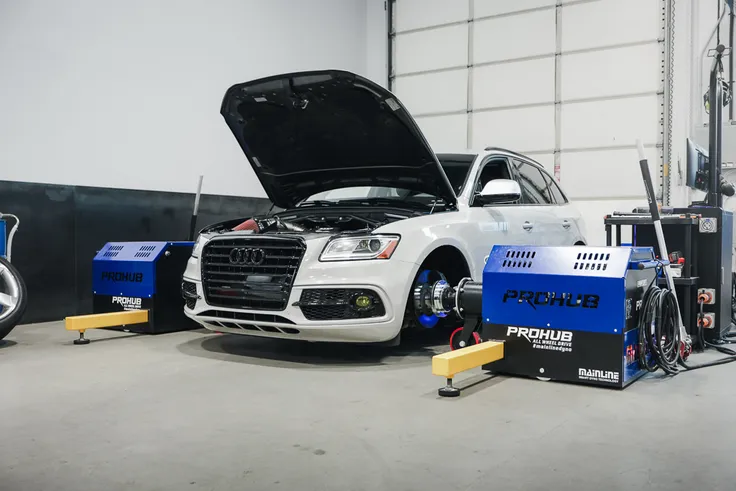
Support Lane puts tracking, communication, and financial control into the workflow that independent shops already use. When job tracking, invoicing, and customer records are consolidated in one system rather than scattered across clipboards, spreadsheets, and memory, you stop losing money through the cracks.
Key Point: Consolidating your shop's operations into a single platform eliminates the revenue leaks that happen when information gets lost between different systems and manual processes.
"Auto repair shops using integrated management systems see 15-25% improvements in profit margins by reducing administrative overhead and preventing billing errors." — Automotive Service Industry Report, 2024
Best Practice: The real profit impact comes from eliminating inefficiencies - no more double data entry, missed follow-ups, or incomplete invoices that cost you money on every job.
Job Tracking That Converts Hours Into Revenue
Support Lane's Kanban board provides real-time visibility into every repair, with color-coded stages and drag-and-drop movement between diagnostics, work in progress, and completion. Timestamps at each stage show exactly how long jobs spend in each phase, exposing bottlenecks before they hurt profits. Technicians mark actions such as "started" or "completed" automatically, eliminating guesswork that can turn a quoted two-hour brake job into an unbilled three-hour loss. When shops achieve a 50% profit margin on labor, that margin depends on capturing and billing every productive hour—our shop management software prevents the manual-tracking gaps that let hours slip away unrecorded.
Appointment Flow That Fills Bays With Paying Work
Support Lane's calendar view and customer-facing online booking to eliminate no-shows and empty bays. Customers book directly, appointments start as pending for approval, so you control capacity, and automated reminders 24 hours in advance reduce cancellations. Consistent appointment flow means technicians spend time turning wrenches instead of waiting for walk-ins, a utilization difference that directly impacts whether you hit the 13% average profit margin or fall below it.
Service Templates That Eliminate Pricing Errors
Most shops lose money on every ticket because manual calculations miss parts or undercharge for labor. Support Lane lets you build reusable service templates with predefined labor, parts, sublets, and fees that automatically populate new jobs. You set full-cost markups once, then every brake service or oil change includes the correct parts markup and labor rate without recalculating. You can edit line items to accommodate customer changes, but the baseline ensures you never leave money on the table.
Invoicing Speed That Accelerates Cash Flow
Support Lane creates invoices and estimates from job services with auto-numbering, PDF downloads, and tax setup for each location. Online payment links and in-person POS options enable immediate customer payments instead of delayed cheques. Slow invoicing ties up cash needed for payroll or parts orders, and delayed collections force you to operate on thinner margins because outstanding receivables don't pay supplier invoices on time.
But the best tools only improve margins if your team uses them: the part most software implementations fail to solve.
Related Reading
Sign up for Your Free Trial to Manage your Auto Shop with Ease Today
Most shops use broken systems (paper tickets, separate invoicing tools, manual appointment logs) designed to get through the day, not protect profits. The gap between surviving and thriving often comes down to whether your systems work for you or against you.
Key Point: Unified systems eliminate the profit leaks that traditional shop management creates through disconnected processes.
Shop management software brings together job tracking, scheduling, invoicing, and customer communication into one platform built for independent auto repair operations. Our Support Lane platform uses Kanban boards with time stamps to capture every billable minute, online booking fills empty bay slots automatically, service templates ensure consistent pricing, and integrated payment links compress collection cycles from weeks to days. Shops using unified systems report net margins climbing 3 to 5 percentage points within the first year because nothing falls through the cracks anymore.
"Shops using unified systems report net margins climbing 3 to 5 percentage points within the first year because nothing falls through the cracks anymore." — Support Lane Platform Data
Traditional Method vs Unified Platform
Work orders
Traditional method: Paperwork orders
Unified platform: Kanban boards with timestamps
Impact: Captures every billable minute
Scheduling
Traditional method: Phone-based scheduling
Unified platform: Online booking automation
Impact: Automatically fills empty bay slots
Invoicing
Traditional method: Manual invoicing
Unified platform: Integrated payment links
Impact: Compresses payment cycles from weeks to days
Pricing
Traditional method: Inconsistent pricing
Unified platform: Service templates
Impact: Ensures consistent and standardized pricing
Warning: The difference shows up fast: technicians stop waiting for work orders, customers book appointments without phone tag, invoices go out the same day repairs finish, and cash flow tightens while administrative hours drop.
Takeaway: Visit supportlane.io now, click Schedule a Demo, and request your free walkthrough. No credit card required—just a clear view of how our Kanban job boards, appointment automation, and fast invoicing can transform your workflow and turn these strategies into measurable results for your shop.
Ready to modernize your shop?
Join the independent auto repair shops already using Support Lane to manage their jobs, customers, and invoices in one place.