How To Grow Your Auto Repair Business: 20 Tips That Work
Great service alone no longer fills a shop's schedule. With competition intensifying and customers weighing more options than ever, auto repair marketing has become essential for shops that want to grow rather than just get by. The 20 strategies ahead cover customer retention, digital presence, pricing, and reputation building — practical moves that work for shops at any stage.
These strategies produce stronger results when the right tools are in place to support them. Automating follow-ups, tracking customer history, and managing workflow without the paperwork burden frees up time to focus on relationships and service quality. Shops looking to put that foundation in place can start with shop management software.
Table of Contents
What Makes Customers Trust an Auto Repair Website Enough to Book?
Why Is Growing an Auto Repair Business More Challenging Today?
Can Customer Experience Influence Auto Repair Business Growth?
20 Tips to Grow Your Auto Repair Business and Get More Customers
How Support Lane Helps You Grow Your Auto Repair Business
Sign up for Your Free Trial to Manage Your Auto Shop with Ease Today
Summary
Auto repair shops that increase customer retention rates by just 5% can boost profits by 25% to 95%, according to Harvard Business Review's analysis of Bain & Company research. The math works because retained customers already trust your shop, approve recommended services without skepticism, and forgive occasional mistakes. New customers offer none of that grace, making retention the most cost-effective growth lever available to independent shops.
Industry revenue is anticipated to grow at a 0.6% CAGR to $89.2 billion over the five years to 2031, driven largely by workforce constraints that prevent shops from capturing available demand. Severe technician shortages create a hard ceiling on growth. Shops turn away profitable work not because customers aren't calling, but because they physically cannot service more vehicles without compromising quality or burning out remaining team members.
Shifts in customer behavior punish shops that rely on traditional approaches. 70% of customers now expect to book appointments online, yet most independent shops still rely on phone calls during business hours. When your competitor offers instant scheduling and you don't, the customer never gives you a chance. The friction isn't in service quality; it's in how customers interact with your business before they ever meet you.
Online reviews carry the same weight as personal recommendations for 88% of consumers, making visible testimonials one of your most powerful trust signals. Detailed feedback about fair pricing, quality repairs, and attentive service counters addresses industry skepticism and helps visitors picture their own smooth experience. When potential customers see others successfully trusting your shop and returning for more, their decision to book becomes straightforward and low-risk.
Technician time represents your most valuable resource, and most shops lose 15% to 20% of it to administrative confusion. Jobs sit waiting for parts that were ordered but not tracked. Technicians finish repairs but can't find the next priority because status updates live in someone's head. Empty appointment slots cost $150 to $300 per bay per day in lost labor revenue through phone tag, double-bookings, and no-shows.
Shop management software addresses this by consolidating job tracking, scheduling, invoicing, and customer communication into a single platform, eliminating disconnected tools that create scheduling gaps and information loss between handoffs.
What Makes Customers Trust an Auto Repair Website Enough to Book?
A driver trusts your website when it answers three silent questions within seconds: Are you legitimate? Will you treat me fairly? Can I book right now without friction? Every design choice, photo, and review either builds confidence or triggers doubt. Hesitation outweighs reassurance, and they're gone.
"Every design choice, photo, and review either builds confidence or triggers doubt — hesitation outweighs reassurance, and they're gone."
Key Point: Your website has seconds to answer three critical trust questions — legitimacy, fairness, and frictionless booking. Fail any one of them and the visitor disappears.
Are you legitimate?
What Triggers Trust: Real photos, verified reviews, NAP consistency
What Triggers Doubt: Stock images, missing address, no credentials
Will you treat me fairly?
What Triggers Trust: Transparent pricing, clear service descriptions
What Triggers Doubt: Vague estimates, hidden fees, no guarantees
Can I book without friction?
What Triggers Trust: One-click booking, instant confirmation
What Triggers Doubt: Long forms, phone-only scheduling, slow load times
Tip: Audit your homepage against these three trust pillars — if any question goes unanswered in the first 5 seconds, you are actively losing bookings.
Professional Design and Fast Performance Signal Legitimacy
A clean, modern website that loads quickly demonstrates attention to detail. Messy pages, broken links, or slow performance raise concerns about hidden fees or overlooked problems. Professional design signals that your business prioritizes quality across all operations, giving drivers confidence to entrust you with their keys.
Visible Customer Reviews and Testimonials Provide Social Proof
Real reviews from verified customers displayed prominently on your site build instant credibility. According to a AAA survey, two out of three U.S. drivers distrust auto repair shops, with top concerns including recommendations for unnecessary services and overcharging. Your website counters this doubt by providing the transparency and proof that convert hesitation into action. Detailed feedback about fair pricing, quality repairs, and attentive service helps visitors envision their own smooth experience and confirms that others have successfully trusted your shop.
Clear Service Information and Transparent Pricing Eliminate Surprises
Detailed breakdowns of services, what each repair involves, and upfront pricing information empower drivers to understand what to expect before committing. This transparency addresses concerns about unnecessary work or overcharges by demonstrating honesty from the start. Customers book faster with clear information than when facing surprises at the counter. Vague service descriptions or missing price ranges trigger the doubt you're trying to overcome.
Easy Online Booking and Contact Options Reduce Friction
Easy-to-use scheduling tools and multiple contact options help busy drivers book appointments without phone tag or hold music. Our shop management software combines customer booking, job tracking, and invoicing in one place, eliminating the need for separate tools that cause scheduling problems and missed follow-ups. A smooth process from browsing options to confirming appointments builds trust and demonstrates respect for customers' time.
Team Photos, Certifications, and Shop Images Showcase Expertise
Real photos of your certified technicians, a clean facility, and actual repair work help visitors connect faces to your business and confirm that your team has hands-on skills. Certifications and credentials clearly displayed prove your team receives ongoing training and meets the high standards that distinguish trustworthy shops. Customers cannot easily verify ASE certifications online when comparing shops. Displaying badges showing which technicians hold certifications and how customers can verify them creates the trust signal you need.
Related Reading
Why Is Growing an Auto Repair Business More Challenging Today?
The barriers that once protected independent shops have collapsed. Customers compare prices across multiple competitors before calling, skilled technicians pursue careers with better pay, and operating costs climb faster than what most drivers will pay for an oil change. Growth now requires winning on fronts unrelated to diagnosing a misfire or aligning a suspension.
Severe Technician Shortages Cap Your Revenue Ceiling
You can market perfectly and fill your schedule, but without qualified hands in the bays, those appointments mean nothing. According to IBISWorld, industry revenue is expected to grow at a 0.6% CAGR to $89.2 billion over the five years to 2031, driven largely by workforce constraints that prevent shops from capturing available demand. You turn away profitable work because you cannot service more vehicles without compromising quality or burning out your remaining team.
Rising Costs Devour Margins Before You See Growth
Parts that cost $47 last year now run $63, and your distributor can't promise delivery dates anymore. Rent climbed again, insurance doubled, and the diagnostic scanner you need for newer models costs more than your first bay lift. Every repair order generates less profit, even when you raise prices, because customers push back on quotes that reflect your real costs. Growth requires absorbing these increases long enough to build volume, but most shops lack cash reserves to handle six months of squeezed profits while marketing efforts gain traction.
Technology Complexity Creates a Two-Tier Industry
New vehicles come with radar-guided cruise control, lane-keeping sensors, and hybrid powertrains requiring certifications your team lacks. Customers with 2023 models drive past your shop to the dealership because you cannot calibrate their ADAS system after a windshield replacement. This gap signals to car owners that your shop services older, simpler vehicles, shrinking your market annually. Catching up demands training time and equipment investments that feel impossible when you're already stretched thin.
Customer Behavior Shifts Punish Traditional Approaches
Drivers choose shops based on online reviews, appointment booking ease, and repair status updates—not location or relationships. Most independent shops still rely on phone calls during business hours, while competitors offer instant scheduling. The friction isn't service quality; it's how customers interact with your business before they arrive.
How do disconnected tools limit how you can grow your auto repair business?
Shops using paper work orders and disconnected tools quickly hit a limit. Tracking job status across clipboards, remembering follow-ups, and searching for invoice details wastes time. Platforms like shop management software consolidate scheduling, invoicing, and customer communication into a single system, reducing admin work and allowing owners to focus on revenue-generating tasks.
Does the repair experience determine whether customers return and refer others?
Even shops that update their tools face an important question: does how a customer feels during the repair process determine whether they return, recommend the shop, and help the business grow?
Can Customer Experience Influence Auto Repair Business Growth?
Customer experience determines whether your shop grows or stays the same. Drivers come back, tell their friends, and spend more money when they feel respected and informed. Technical skill fixes the car, but how customers feel during the fix determines whether they become loyal supporters or look for competitors next time.
"How customers feel during a repair visit is the deciding factor between long-term loyalty and permanent churn — technical skill alone is never enough." — Customer Experience Insight
Key Point: Customer experience is not a soft metric — it is the primary driver of repeat business, word-of-mouth referrals, and long-term revenue growth for auto repair shops.
Tip: Train every customer-facing team member to prioritize clear communication and transparency at every touchpoint — from the initial estimate to the final handoff — because every interaction shapes whether a customer returns.
Customer Feels...: Respected & informed
Likely Outcome: Returns, refers friends, spends more
Customer Feels...: Ignored or confused
Likely Outcome: Seeks a competitor next visit
Customer Feels...: Valued & heard
Likely Outcome: Becomes a loyal long-term supporter
Retention Beats Acquisition Every Time
Getting new customers costs significant money and time, but retaining them transforms the economics. When customers trust your shop, they book directly for oil changes, brake jobs, and seasonal maintenance, skipping comparison shopping entirely. This steady revenue compounds over the years, turning a $150 first visit into thousands across the vehicle's lifetime.
According to Harvard Business Review's analysis of Bain & Company research, increasing customer retention rates by 5% boosts profits by 25% to 95%. Retained customers already trust you, approve recommended services without skepticism, tolerate scheduling delays, and forgive occasional mistakes. New customers offer none of that goodwill.
Word-of-Mouth Still Drives Growth
Happy customers tell stories. They mention your shop when coworkers complain about overcharges at the dealer. They tag you in Facebook posts praising your honesty and leave detailed Google reviews explaining why you diagnosed the real problem instead of selling unnecessary repairs. This organic visibility costs nothing and converts better than any ad campaign because it carries social proof.
BrightLocal's Local Consumer Review Survey reveals that 97% of consumers read online reviews before choosing local businesses, with automotive services ranking among the top categories where reviews influence decisions. One exceptional experience multiplies into three referrals, which become nine. This compounding effect accelerates when your team consistently delivers clarity, transparency, and respect at every touchpoint.
Higher Ticket Values Follow Trust
Customers who feel cared for approve additional services without pressure. When your advisor explains why the cabin air filter matters for their child's allergies or how flushing the coolant prevents a $2,000 repair next year, they listen. Trust removes the adversarial dynamic where every recommendation feels like a sales pitch, shifting average repair orders from basic fixes to comprehensive preventive care that protects both the vehicle and your margins.
How does trust help you grow your auto repair business revenue?
Professional communication, clear pricing, and follow-up texts after service remove doubt. Customers see value in your guidance rather than questioning every suggestion. Shops that master this dynamic grow revenue per customer by 30% or more without changing labor rates or parts markup.
Turning these principles into consistent daily operations requires systems that most shops lack. That gap determines who grows and who stalls.
Related Reading
Ppc Advertising For An Auto Repair Shop
20 Tips to Grow Your Auto Repair Business and Get More Customers
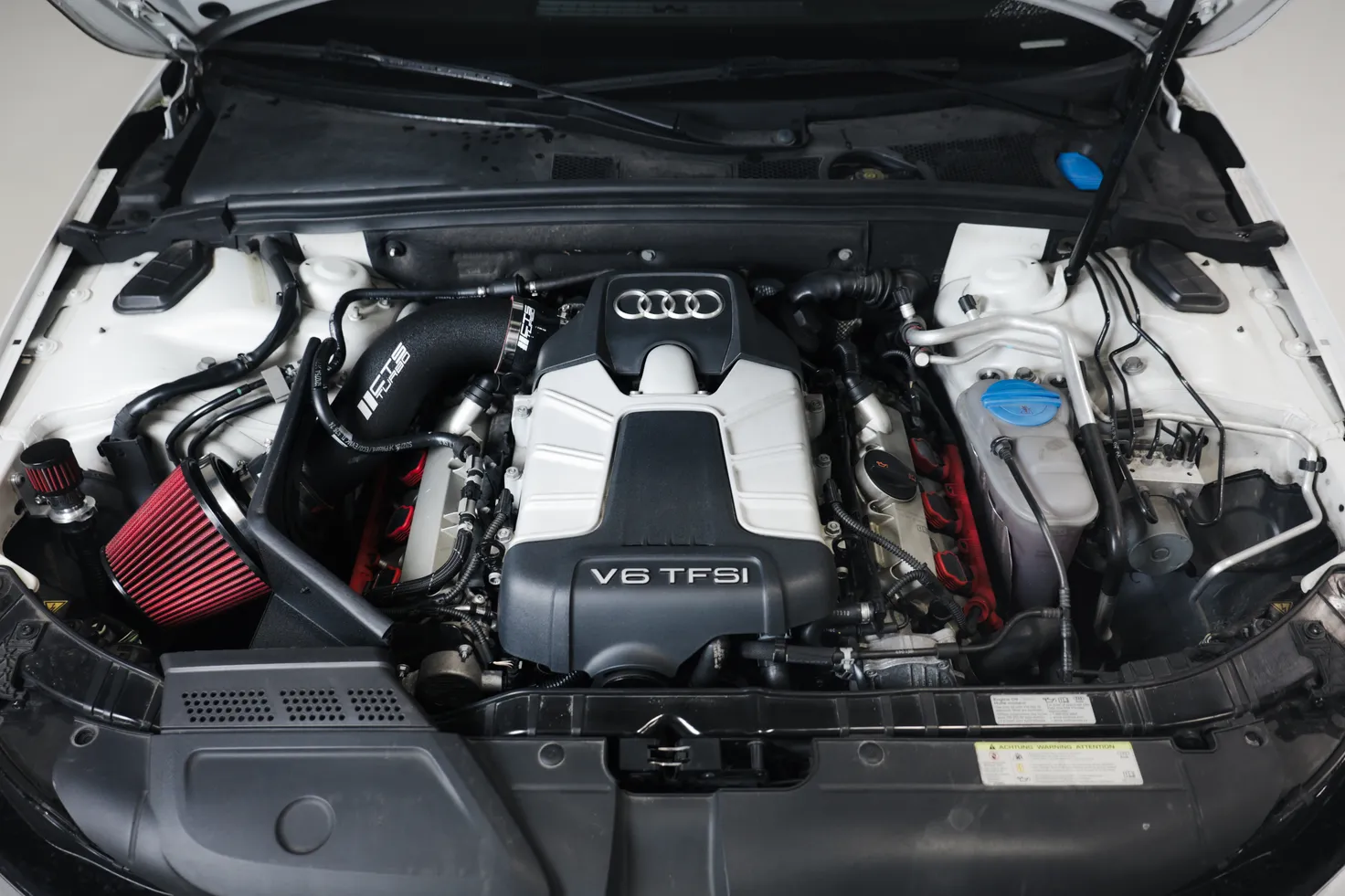
Growing an auto repair business requires more than just opening your doors. Drivers have more choices, higher expectations, and countless ways to compare shops before deciding. Sustainable growth follows proven strategies: shops that consistently attract new customers and increase revenue focus on visibility, trust, convenience, and customer experience. Here are twenty tips that help repair businesses stand out and grow.
"Shops that consistently attract new customers and increase revenue focus on visibility, trust, convenience, and customer experience — the four pillars of sustainable growth."
Tip: Before diving into the tips below, audit your shop against all four growth pillars — visibility, trust, convenience, and customer experience. Most shops are strong in one or two but leave significant revenue on the table by neglecting the others.
Visibility
What It Means for Your Shop: Drivers can find you online and offline
Impact Level: High
Trust
What It Means for Your Shop: Customers believe in your quality and honesty
Impact Level: High
Convenience
What It Means for Your Shop: Booking, drop-off, and pickup are effortless
Impact Level: Medium-High
Customer Experience
What It Means for Your Shop: Every interaction feels professional and valued
Impact Level: High
Key Point: Sustainable growth is never accidental — it's the result of deliberate, consistent action across every area of your business. The twenty tips ahead give you a proven roadmap to more customers, higher revenue, and a stronger reputation.
Warning: Shops that focus only on getting new customers while ignoring trust and experience will struggle with retention — and repeat customers are far more profitable than constantly chasing new ones.
1. Claim and Optimize Your Google Business Profile
A fully optimized Google Business Profile puts your shop at the top of local search results when drivers need immediate help. Fill in every section with correct hours, services, photos of your facility and work, and regular posts about seasonal maintenance or promotions. This visibility drives more calls and directions from customers ready to book.
2. Encourage and Showcase Authentic Customer Reviews
Good reviews build trust and influence decisions more than any advertisement. Make it easy for happy customers to leave feedback via text links or email after service, then display the best feedback prominently on your site and in the shop. Respond to every review thoughtfully to show you value input and stand behind your work, which encourages more five-star feedback and attracts new clients.
3. Build a Professional, Mobile-Friendly Website
Your website works like a 24/7 store, converting browsers into customers who book appointments. Include clear service descriptions, easy navigation, online scheduling, and quality photos of repairs and your team. Fast loading times and mobile optimization help customers find answers quickly and book without friction.
4. Leverage Local SEO for Better Search Rankings
Targeted local SEO helps your shop appear in searches like "brake repair near me" or "oil change in [city]." Add location-specific keywords to your website content, service pages, and blog posts, and secure backlinks from local directories and partnerships. This drives organic traffic from customers actively seeking reliable service.
5. Use Targeted Social Media to Engage Your Community
Share before-and-after repair photos, maintenance tips, customer stories, and behind-the-scenes content on Facebook and Instagram to keep your shop top of mind with local drivers. Run localized promotions and respond promptly to comments to build relationships that drive direct bookings and referrals.
6. Launch a Referral Program with Real Incentives
Turn satisfied customers into active promoters with a referral system that rewards both the referrer and the new client. Offer meaningful perks such as service discounts, free inspections, or gift cards for every successful referral that books an appointment. People act on recommendations from friends and family far more readily than on ads, creating a low-cost pipeline of qualified leads.
7. Run Targeted Email and Text Marketing Campaigns
Build and maintain an email or SMS list of past customers by sending agreed-upon messages. These messages should provide value through seasonal maintenance reminders, special offers, and helpful tips. Organize messages by vehicle type, service history, or last visit date to increase relevance and response rates. Regular contact keeps your shop top of mind, encourages repeat visits, and reactivates inactive customers cost-effectively.
8. Partner with Local Businesses and Fleets
Form alliances with nearby companies, apartment complexes, ride-share drivers, or corporate fleets needing regular vehicle maintenance. Offer exclusive discounts, priority scheduling, or on-site inspections to secure steady volume. These partnerships deliver predictable revenue and introduce your shop to new customers through word of mouth from employees and operators.
9. Invest Wisely in Pay-Per-Click Advertising
Use Google Ads for high-intent local searches, such as "emergency brake repair near me," to capture customers ready to book. Create specific landing pages with clear calls to action, transparent pricing, and easy scheduling. This paid channel delivers fast, measurable results and fills bays during slower periods while you build long-term organic visibility.
10. Create Valuable Content That Educates Drivers
Publish blog posts, videos, or social content addressing common car problems, maintenance benefits, and frequently asked questions. Optimize for local search terms and share across channels to establish expertise. This builds trust before customers arrive, improves SEO rankings, and positions your shop as the go-to resource, drawing informed prospects who convert at higher rates.
11. Implement Online Scheduling for Maximum Convenience
Let your customers book appointments straight from your website or Google Business Profile any time, day or night. Show available times, let them select their service, and send automatic confirmations and reminders to reduce no-shows. This streamlined process increases bookings and positions your shop as more modern than competitors that still rely on phone calls.
12. Offer Maintenance Packages and Bundles
Create affordable service bundles for routine needs such as oil changes, tire rotations, brake inspections, and multi-point inspections. Bundles encourage regular visits, build predictable revenue, and transform one-time repairs into ongoing customer relationships that keep your bays full.
13. Host Community Events and Workshops
Organize free or low-cost events such as car care clinics, vehicle safety checks, or seasonal maintenance workshops at your shop or local venues. Invite families, neighborhood groups, and first-time drivers to experience your expertise firsthand. These activities generate goodwill, direct leads, and positive word-of-mouth from customers who feel connected to your business.
14. Focus on Exceptional Staff Training and Customer Service
Train your whole team on clear communication, empathy, and transparent repair explanations using role-play scenarios and setting standards for follow-up calls and service updates. Skilled, caring interactions transform stressful car problems into positive experiences, boosting reviews, retention, and referrals while helping your shop stand out from impersonal chains.
15. Track Performance and Adjust Strategies with Data
Watch key metrics: website traffic, conversion rates, customer acquisition costs, and retention rates. Use simple tracking tools to monitor these numbers. Focus more on high-performing strategies and improve underperforming ones. Data-driven decisions help you allocate marketing budgets wisely and sustain business growth by directing effort where it matters most.
16. Optimize Your Facility Appearance and First Impressions
Create a clean, organized, and welcoming shop environment. Keep waiting areas spotless with comfortable seating, clear signage, fresh coffee, and current reading materials. A professional physical space demonstrates quality and transforms first visits into lasting positive impressions that encourage repeat business and referrals.
17. Develop Strategic Partnerships with Complementary Services
Work with local tire shops, car washes, insurance agents, and body shops to refer customers to one another and promote each other's businesses. Formal agreements for priority service or bundled offerings help you reach new customers cost-effectively and create convenient one-stop solutions that drivers appreciate.
18. Monitor and Improve Your Online Reputation Actively
Set up alerts for review platforms and social mentions to respond to feedback quickly. Publicly thank people who leave positive reviews and address concerns professionally. A well-managed reputation helps your shop rank higher in local search results and gives customers confidence to choose your shop over competitors.
19. Analyze Competitor Strategies and Differentiate
Look at what successful local competitors do with their marketing, pricing, and services. Find gaps in your own approach and highlight what makes you different: personalized service, faster turnaround, or specialized expertise. This helps you stand out and attract customers seeking alternatives to big-box stores.
20. Leverage Shop Management Software
Modern shop management software streamlines daily operations by reducing paperwork so you can focus on customers and growth. Kanban-style job boards with customizable pipelines track repairs from start to finish with drag-and-drop ease. Integrated calendars and online booking reduce scheduling headaches and no-shows. Customer and vehicle management tools maintain detailed histories, notes, and mileage logs to enable faster, more personalized service. Automated invoicing, flexible payments including online options, and built-in SMS/email chat improve communication and cash flow.
How can the right software help you grow your auto repair business?
Support Lane gives independent auto repair shops the tools they need: job management, appointment systems, customer-facing tools, and communication features that help you run smoother operations, deliver great experiences, and free up time to attract and retain more customers.
How Support Lane Helps You Grow Your Auto Repair Business

Growth stops not because you don't know enough, but because of problems with how things are organized. You might understand how to keep customers happy, make the workflow better, and set prices right. But if you run your daily work using paper logs, spreadsheets all over the place, and tools that don't work together, you're fighting against your own systems. This friction wastes hours, causes costly mistakes, and keeps you from giving customers the experience they deserve.
"The biggest barrier to auto repair business growth isn't technical knowledge — it's the invisible drag of disconnected systems, manual processes, and organizational chaos eating away at your time and profits every single day."
Tip: If your daily operations rely on paper logs or siloed spreadsheets, you're not running your business — your business is running you. Consolidating your tools is the single fastest way to reclaim hours and reduce errors.
Warning: Disconnected tools don't just slow you down — they create a compounding problem. Every missed note, lost record, or miscommunication between systems chips away at customer trust and your bottom line.
Common Growth Blocker: Paper logs
The Real Cost: Lost records, wasted search time
The Fix: Centralized digital system
Common Growth Blocker: Scattered spreadsheets
The Real Cost: Data errors, version confusion
The Fix: Unified platform
Common Growth Blocker: Disconnected tools
The Real Cost: Workflow friction, missed follow-ups
The Fix: Integrated software solution
Common Growth Blocker: Manual pricing
The Real Cost: Inconsistent quotes, lost revenue
The Fix: Automated pricing tools
How does fragmented software slow down how to grow your auto repair business?
Shop management software like Support Lane brings together job tracking, scheduling, invoicing, customer communication, and your web presence into a single platform designed for repair shops. Most shops use five or six different systems because that's how things have always been done. As you get more jobs, information gets lost as it moves between people—a customer's estimate sits on a clipboard in the bay, an invoice waits to be sent while the office manager helps walk-in customers. These everyday problems limit how much work you can do and hurt trust one interaction at a time.
Workflow Efficiency That Multiplies Technician Output
Technician time is your most valuable resource, and most shops lose 15-20% of it to administrative confusion. Jobs sit idle while parts ordered but not tracked wait. Technicians finish repairs but can't find the next priority because status updates live in someone's head. Support Lane's Kanban board gives your team real-time visibility into every job's stage, who owns it, and what happens next. Dragging a card from "Waiting on Customer Approval" to "In Progress" triggers notifications, updates time tracking, and moves the job forward without phone calls or hallway conversations. Shops using our shop management software see same-day completion rates jump because nothing falls into the gap between "almost done" and "invoiced."
Scheduling That Fills Bays Without Chaos
Empty appointment slots cost you $150–$300 per bay per day in lost labor revenue. Support Lane's online booking lets customers see your actual availability, select services from your catalog, and confirm appointments that flow directly into your calendar with automatic 24-hour reminders. This eliminates phone tag, double-bookings, and no-shows, letting you run at 85–90% bay utilization. According to the Auto Repair Industry Report, shops typically apply a 40% markup on parts, but that margin disappears when scheduling bottlenecks create idle time.
Customer Management That Drives Repeat Business
Repeat customers are more profitable, but manually tracking service histories, mileage intervals, and follow-up timing means most reminders go unsent.
How does personalized customer tracking help you grow your auto repair business?
Support Lane stores complete vehicle histories with VIN-decoded details, mileage logs, and service notes. When a customer calls, you can instantly see their last three visits, outstanding estimates, and upcoming maintenance needs.
This transforms generic "time for an oil change" texts into personalized reminders ("Your 2019 Civic is due for 60k service based on the mileage from your last visit"). That specificity rebuilds trust with cautious customers and converts one-time repairs into ongoing relationships that stabilize revenue.
Related Reading
Sign up for Your Free Trial to Manage Your Auto Shop with Ease Today
The 20 tips outlined here deliver results only if your shop can execute them without administrative chaos. You can optimize your Google profile and chase reviews, but if jobs sit untracked, customers fall through scheduling cracks, and invoices take hours to generate, those marketing wins evaporate into lost revenue.
"Marketing wins mean nothing if your back-end operations can't support them: untracked jobs, missed appointments, and slow invoicing silently drain every dollar you earn up front."
Tip: No amount of 5-star reviews or Google optimization can compensate for operational inefficiency inside your shop. Fix the foundation first.
Shop management software like Support Lane brings together job tracking, customer communication, scheduling, and invoicing into one unified system built around how repair shops actually work. The Kanban board provides color-coded job visibility with drag-and-drop stage movement, while automated appointment reminders and online booking fill your calendar without phone tag. Customers experience instant professionalism through your hosted website and real-time SMS updates; technicians spend less time hunting for work orders, and you get paid faster through automated invoicing with online payment links.
Kanban Job Board
What It Solves: Untracked jobs and lost work orders
Automated Appointment Reminders
What It Solves: No-shows and phone tag scheduling
Online Booking
What It Solves: After-hours missed appointments
SMS Customer Updates
What It Solves: Poor communication and lost trust
Automated Invoicing + Payment Links
What It Solves: Slow billing and delayed cash flow
Hosted Shop Website
What It Solves: Weak online presence and professionalism
Best Practice: The most successful auto shops don't just market better — they operate better. A platform like Support Lane turns every customer touchpoint into a seamless, professional experience.
Visit supportlane.io and start your free trial with no credit card required. You gain immediate access to the job board, customer management tools, and scheduling system in minutes. Your first job tracked through the system will reveal exactly how much time you've been losing to paper chaos, and each subsequent job compounds the efficiency gain.
Key Point: No credit card. No commitment. No risk. Access tools that return hours every week and transform your shop into a well-oiled, revenue-generating machine.
Warning: Every day you run your shop on paper systems or disconnected tools compounds inefficiency. Don't let another week of lost revenue pass before making the switch.
Ready to modernize your shop?
Join the independent auto repair shops already using Support Lane to manage their jobs, customers, and invoices in one place.