How To Open An Auto Repair Shop: A Step-by-Step Guide

Opening an auto repair shop means making real decisions quickly: securing a location, obtaining business licenses, estimating startup costs, hiring qualified mechanics, and building a customer base from nothing. Auto repair marketing plays a bigger role than most new owners expect, because attracting steady work from day one matters just as much as having the right equipment. Every step of that process, from writing a business plan to setting labor rates, deserves careful attention before the doors open.
Getting organized early gives new shop owners a significant advantage as operations grow. Tracking repair orders, managing customer records, scheduling appointments, and keeping workflows running smoothly all become easier with the right tools in place from the start. Support Lane offers a straightforward solution through its shop management software.
Table of Contents
Why Is Opening an Auto Repair Shop a Good Business Opportunity?
What Skills and Experience Do You Need to Open an Auto Repair Shop?
Is Owning an Auto Repair Shop Profitable?
How To Open a Successful Auto Repair Shop Step-by-Step
Tips to Manage and Grow Your Auto Repair Business Successfully
How Support Lane Helps You Manage and Grow Your Auto Repair Shop
Sign up for Your Free Trial to Manage Your Auto Shop with Ease Today
Summary
The average age of vehicles on U.S. roads has reached 12.5 years, meaning the existing fleet is steadily aging and facing increasing maintenance needs. This structural reality creates a reliable, compounding demand for repair services that independent shop owners can build around without chasing trends or depending on economic growth cycles.
Auto repair labor carries a profit margin of 50 to 65 percent, which gives independent shop owners meaningful pricing flexibility compared to most service businesses. That margin comes from the spread between shop labor rates and technician wages, plus parts markups on top of that, so a well-managed day of work generates more than the sum of its individual jobs.
Startup costs for an auto repair shop typically range from $50,000 to $75,000 or more, and the sequencing of decisions matters as much as the budget itself. Shops that treat licensing, location, equipment, and hiring as a connected system rather than a checklist tend to open with fewer costly corrections in the first 90 days.
Technical skill is the entry requirement, not the differentiator. The U.S. Bureau of Labor Statistics projects approximately 69,600 annual openings for automotive service technicians each year, which means competition for qualified talent is real. Shops with clear expectations, fair pay structures, and consistent onboarding processes retain their best technicians longer than those that treat retention as secondary.
With approximately 280,000 auto repair businesses operating in the United States, local reputation is one of the few genuine competitive advantages available to independent shops. A fully completed Google Business Profile, consistent directory listings, and a mobile-optimized website that allows a quick booking function as low-cost acquisition infrastructure that compounds over months and years rather than requiring ongoing ad spend.
Customer experience friction, missed callbacks, delayed invoices, and appointment reminders that never go out, compound into reputation damage that outlasts any individual repair, especially given that 97 percent of consumers read online reviews for local businesses. Shop management software addresses this by consolidating job tracking, scheduling, invoicing, and customer communication into a single platform, so the gaps between systems no longer cost shops customers they never realized they lost.
Why Is Opening an Auto Repair Shop a Good Business Opportunity?
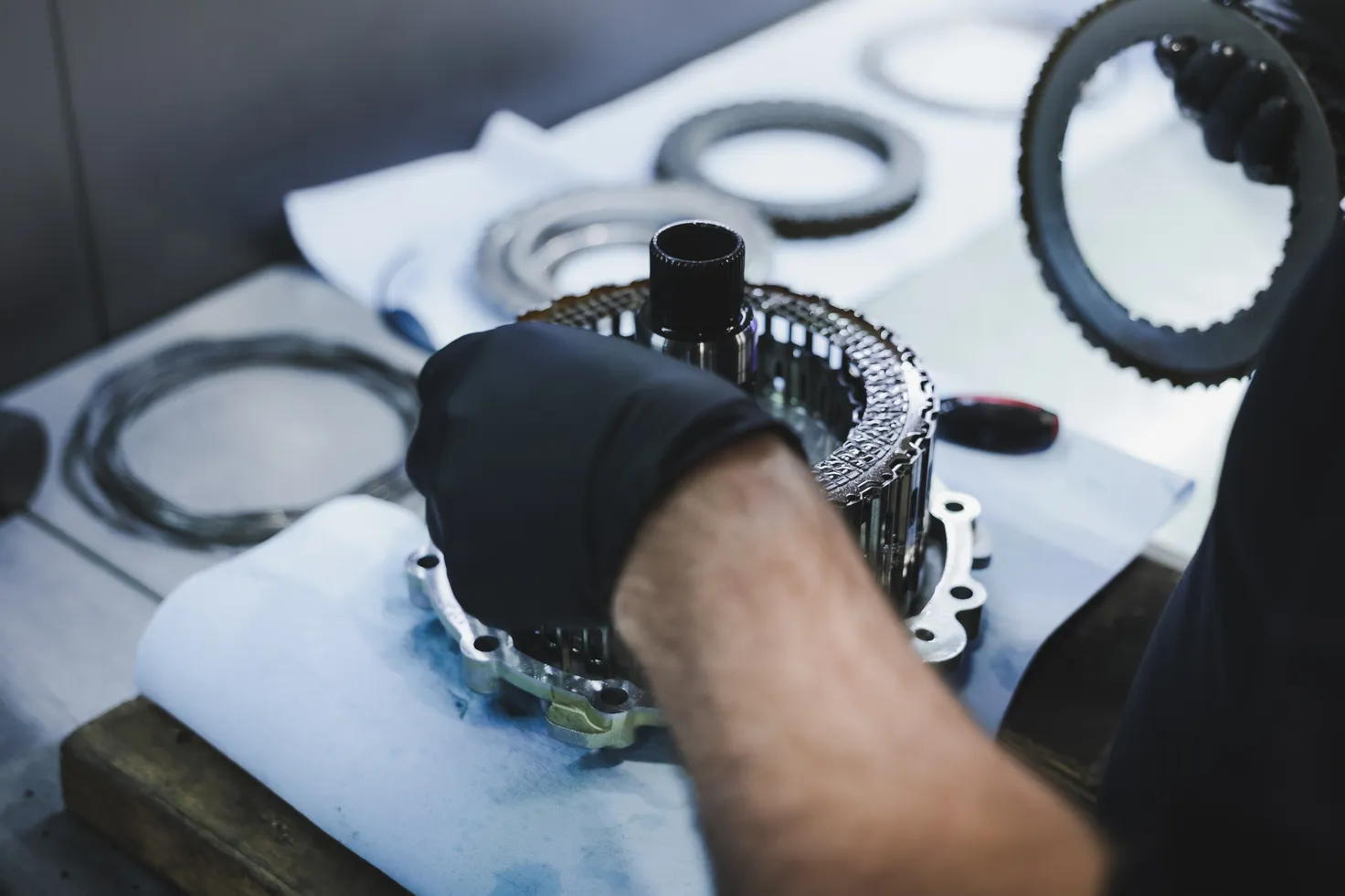
The auto repair industry is built on something most businesses wish they had: people need vehicles to get around, and those vehicles always need service. According to Best Selling Cars Blog, the average age of vehicles on U.S. roads has reached 12.5 years. This means cars across your city are getting older and need more maintenance every month. This is a situation you can build a sustainable business around, not a trend that might disappear.
"The average age of vehicles on U.S. roads has reached 12.5 years — meaning more cars than ever are aging into the sweet spot for frequent, recurring repairs." — Best Selling Cars Blog
Takeaway: An aging vehicle fleet is not temporary. Every year those cars stay on the road, they generate more demand for skilled auto repair services, giving shop owners a built-in, growing customer base.
Opportunity Insight: Unlike trend-dependent businesses, auto repair demand is driven by necessity. Customers don't choose whether to fix a failing brake system or a dead alternator — they must, making this one of the most recession-resistant industries you can enter.
Why does the money actually work?
Independent shops enjoy attractive margins compared to large-scale businesses. Best Selling Cars Blog reports that auto repair shops carry a profit margin of 50 to 65 percent on labor, offering owners significant pricing flexibility. You set your own labor rates, control parts markups, and build service packages tailored to your local market.
What makes this industry more stable than most?
Auto repair thrives when the broader economy tightens. As new vehicle prices rise, drivers keep their current cars longer and spend more on maintenance. Your revenue stream doesn't evaporate when consumer confidence drops because you're not selling a luxury—you're keeping someone's livelihood moving.
How does shop management software help when you open an auto repair shop?
Most new shop owners start by tracking jobs on paper, using separate spreadsheets for invoicing and manually texting customers to confirm appointments. This fragmented approach leaves bays idle, and customers stop returning. Shop management software like Support Lane consolidates repair orders, scheduling, customer records, and invoicing in one place, helping your operations scale with your workload.
How does community trust become a competitive advantage?
Independent shops win on relationships, not price. When a driver feels respected and informed, they call you first next time without comparison shopping. That loyalty builds a customer base that refers neighbors, family members, and coworkers unprompted. Big chain service centers cannot copy this, because trust is built one honest conversation at a time.
The opportunity is real and well-timed, but shops that take advantage of it treat their systems and people as equally serious investments from the start.
What Skills and Experience Do You Need to Open an Auto Repair Shop?
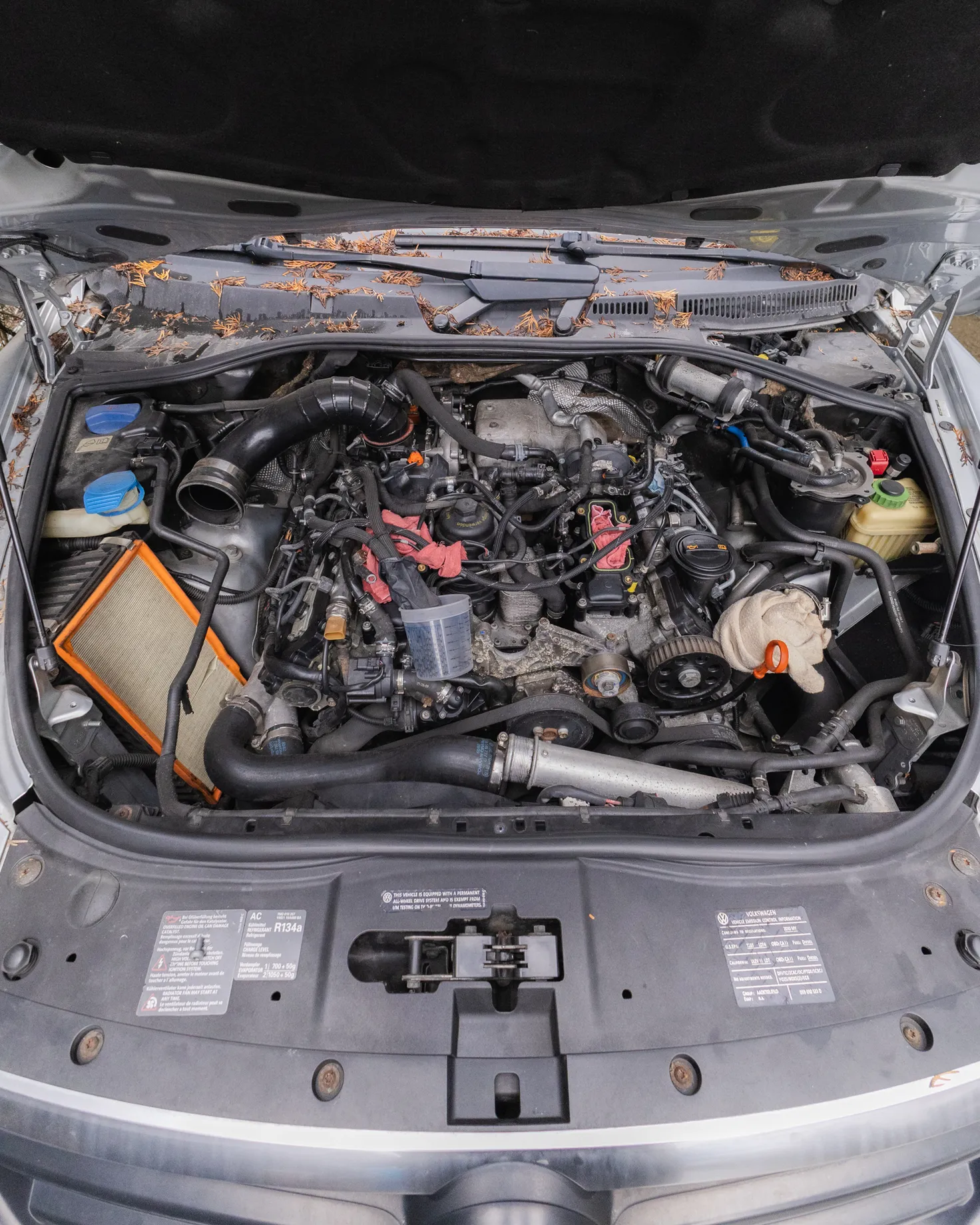
Mechanical skill gets you in the door. What keeps you there is everything else. Opening an auto repair shop requires technical knowledge, business judgment, leadership, and communication. Industry experts recommend 2 to 5 years of hands-on mechanical experience before opening a shop. Time working in real bays with real vehicle problems builds the diagnostic instincts and workflow awareness that no business plan can replace.
"Industry experts recommend 2 to 5 years of hands-on mechanical experience before opening a shop — because diagnostic instincts and workflow awareness cannot be learned from a business plan alone." — Industry Best Practice
Key Point: Technical expertise is your foundation, but business acumen is what separates shops that survive from shops that thrive. You need both to succeed.
Tip: Before opening your own shop, aim to work across multiple repair environments — dealerships, independent shops, and specialty garages — to build the broadest possible diagnostic skillset and real-world workflow experience.
Skill Category
Technical / Mechanical
Business Judgment
Leadership
Communication
Why It Matters
Core service delivery and diagnostics
Pricing, costs, and profitability
Managing technicians and staff
Customer trust and retention
Experience Needed
2–5 years hands-on
Ongoing education
Team environment exposure
Every customer interaction
Warning: Skipping the hands-on experience phase is one of the most common reasons new shop owners struggle. Diagnostic instincts and workflow awareness are built over time — not overnight.
Technical depth is the floor, not the ceiling
Shops that earn loyal customers are run by owners who can diagnose a misfire on a 2018 turbocharged engine and explain the repair in plain language. This dual ability—technical skill paired with clear explanation—is rarer than it sounds. Modern vehicles carry dozens of networked control modules, and a shop owner who cannot read live data or interpret fault codes accurately will either miss problems or misquote repairs, costing both customers and credibility.
What business skills help you survive when opening an auto repair shop?
Shop failures rarely stem from bad repairs. They come from owners who charge too little for labor, let unpaid customer bills accumulate, or hire workers without clear training plans. Strong money management means tracking repair costs, setting labor rates that cover actual expenses, and identifying cash flow problems before payroll becomes impossible. Leadership matters equally. The U.S. Bureau of Labor Statistics projects approximately 69,600 annual openings for automotive service technicians each year, signaling both opportunity and competition for talent. Shops with clear expectations, fair pay, and accountability retain technicians longer than those that neglect worker retention.
How does shop management software prevent operational chaos as you grow?
New shop owners often manage scheduling on whiteboards, track parts in notebooks, and send invoices through separate tools. This works with three cars in the bay. At twelve, it breaks apart: missed appointments, billing errors, and forgotten customers follow. Shop management software like Support Lane brings job tracking, scheduling, invoicing, and customer communication into a single platform, preventing operational chaos before it derails your growth.
Customer communication is a technical skill, too
The ability to explain a suspension issue to someone who has never looked under a hood is not a soft skill—it is a revenue skill. Customers who understand what you are fixing and why are far more likely to approve the work, return for the next service, and refer a neighbor. Shops that invest in communication training alongside technical training see fewer comebacks, stronger reviews, and higher average repair order values.
Once you understand what it takes to build this kind of operation, the next question hits differently than you might expect.
Related Reading
Is Owning an Auto Repair Shop Profitable?
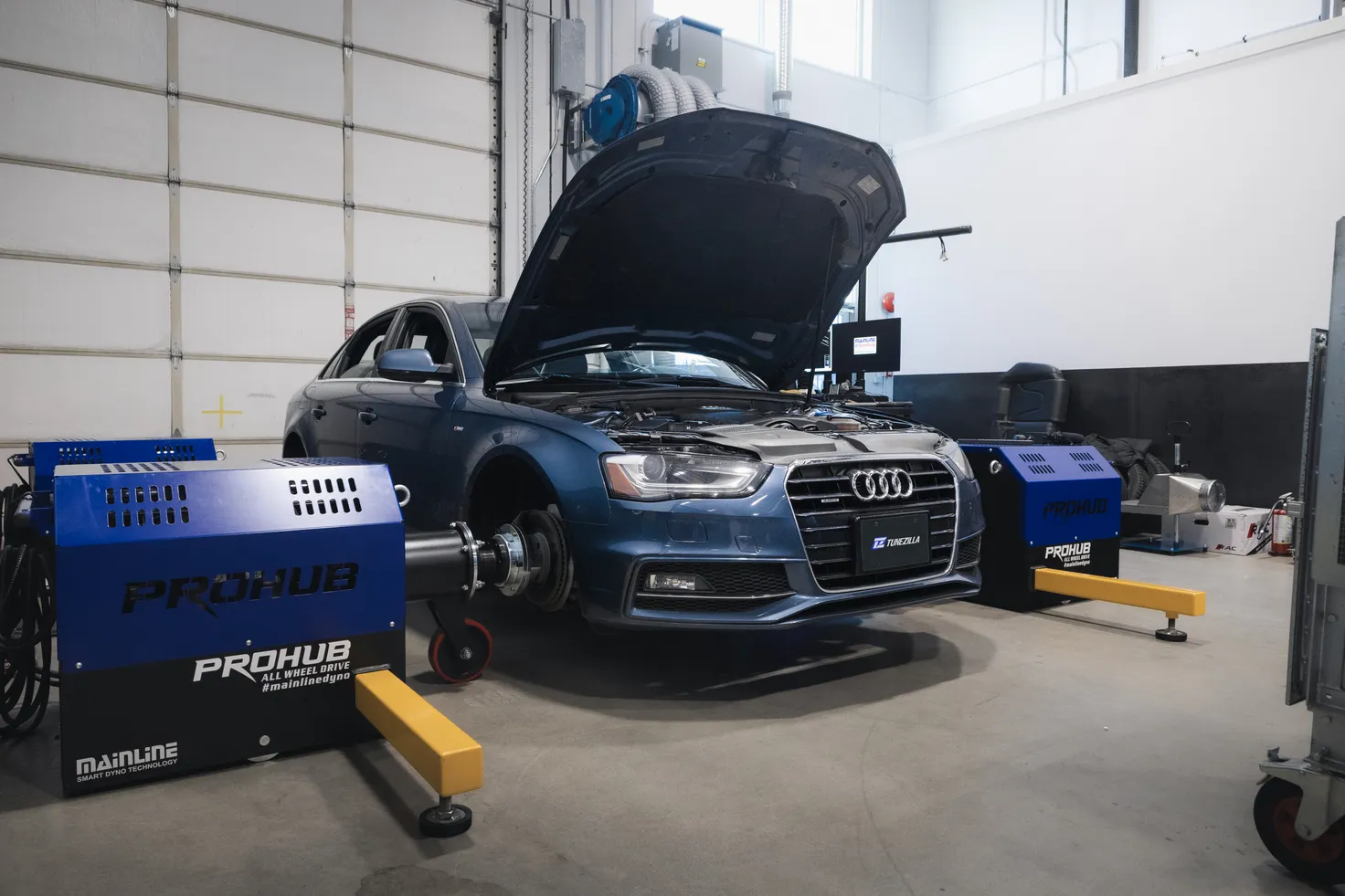
Owning an auto repair shop can make good money when you run it carefully. Industry data from SharpSheets shows that the average independent shop makes around $1.226 million every year, with successful businesses making net profit margins of 10–20% after controlling costs. Vehicle repair is something most families have to pay for, which creates steady demand that not many small businesses can match.
"The average independent auto repair shop generates around $1.226 million in annual revenue, with top performers achieving net profit margins of 10–20% after costs." — SharpSheets / Identifix Industry Data
Takeaway: A 10–20% net profit margin on $1.226M in revenue means a well-run shop can clear $122,000–$245,000 in pure profit annually — numbers that rival or exceed many white-collar salaries.
Tip: The shops that hit the top end of that 20% margin aren't just fixing cars faster — they're actively managing labor costs, parts markup, and customer retention to protect every dollar of revenue.
Average Annual Revenue
$1.226 million
Net Profit Margin (Range)
10% – 20%
Estimated Annual Net Profit (Low)
~$122,600
Estimated Annual Net Profit (High)
~$245,200
Demand Stability
High — essential service for most families
Warning: These figures reflect successful, well-managed shops. Profit margins can drop sharply if labor costs, parts pricing, or overhead expenses aren't monitored closely.
Where does the money actually come from
The profit structure in auto repair rewards owners who understand it. Labor is billed at the shop rate but paid at the technician wage—the spread is where the margin lives. Parts carry their own markup on top. A shop operating at full capacity captures both simultaneously for every repair order. The U.S. automotive repair and maintenance service market reached $183.4 billion in 2023 and is projected to grow at a 10.1% compound annual growth rate through 2032, reaching $473.9 billion. This growth stems from older vehicles requiring more frequent service, a growing number of car owners, and owners keeping their cars longer rather than buying new ones.
Why do so many auto repair shops struggle to stay profitable?
What separates profitable shops from struggling ones is rarely technical skill—the failure point is almost always operational. Shops that track jobs on paper, manage scheduling through a whiteboard, and invoice through a separate spreadsheet waste enormous energy on administration. That friction eats into billable hours, delays customer communication, and obscures where money is leaking. Support Lane consolidates job tracking, scheduling, invoicing, and customer management into a single workflow, so owners spend less time administrating and more time generating revenue.
Does the math hold up under real costs?
The honest answer is yes, but only when you control costs carefully from the start. Rent, equipment, technician wages, parts inventory, and insurance create a substantial fixed cost base that requires steady car volume to cover. Shops that set labor rates too low to compete on price often end up busy but unprofitable. Pricing based on value, not fear, keeps profit margins strong. Industry benchmarks show successful shop owners earn around $165,000 per year on average, significantly more than technician wages and a clear step up from employment.
Does repeat business change the profit picture when you open an auto repair shop?
The business rewards owners who build repeat customer relationships rather than chase one-time transactions. A customer returning for oil changes, tires, and brake service over five years generates far more revenue than the cost of acquiring them. That loyalty compounds quietly, strengthening the operation.
What comes after understanding the profit potential?
Knowing the profit potential is one thing. Building the operation that captures it is where most people discover the real work begins.
Related Reading
Ppc Advertising For An Auto Repair Shop
How To Open a Successful Auto Repair Shop Step-by-Step

Building a successful auto repair shop means treating every decision—from legal structure to bay layout—as part of a system. Startup costs typically range from $50,000 to $75,000 or more, which leaves little room for mistakes. Shops that open strong build their foundation in the right order, not the fastest order.
"Startup costs for an auto repair shop typically range from $50,000 to $75,000 or more—making every early decision a high-stakes investment in your shop's future."
Foundation Element
Why It Matters: Protects personal assets, defines tax obligations
Priority Level: 🔴 Critical
Legal Structure
Why It Matters: Protects personal assets, defines tax obligations
Priority Level: 🔴 Critical
Bay Layout
Why It Matters: Determines workflow efficiency and capacity
Priority Level: 🔴 Critical
Startup Budget
Why It Matters: Ranges $50,000–$75,000+; errors are costly
Priority Level: 🔴 Critical
Build Order
Why It Matters: The right sequence prevents expensive rework
Priority Level: 🟡 High
Key Point: A successful auto repair shop isn't built on speed—it's built on sequence. Every decision compounds, so getting the order right from day one is essential.
Warning: Skipping foundational steps to open faster is one of the most common mistakes new shop owners make—and one of the most expensive ones to fix later.
Where the Process Actually Begins
The business plan is the first real test of whether your idea holds up under pressure. Writing out your target customer, service mix, pricing logic, and projected repair order volume forces your assumptions into the open where they can be challenged. Most new owners discover that their instinct to "offer everything" conflicts with the space, staffing, and cash flow their numbers support. Specificity—focusing on domestic vehicles, fleet accounts, or quick-service oil and tire work—creates a sharper competitive position and a more manageable launch.
What legal structure and licensing do you need to open an auto repair shop?
Choose an LLC or corporation to separate your personal finances from business risks when working with vehicles, chemicals, and heavy equipment. After registering your entity and obtaining an EIN, follow this licensing order: general business license, state auto repair dealer registration (if required), certificate of occupancy, and environmental permits for waste oil and fluid disposal. Select your location at the same time as this process. A bay with poor ventilation, insufficient lift capacity, or unaddressed zoning restrictions becomes expensive to remedy after you sign the lease.
When does shop management software become essential for opening an auto repair shop?
Most new shop owners start with whiteboards, folders, and spreadsheets—adequate for three cars a day. By eight or ten, problems emerge: missed callbacks, lost job status, late invoices. Shop management software like Support Lane consolidates job tracking, scheduling, invoicing, and customer communication into one platform, so your operational foundation grows with you rather than against you.
Equipment, Team, and the First 90 Days
Diagnostic scanners, a two-post lift, an air compressor, and a tire changer handle most general repair work and deliver strong returns on initial investment. Apply the same logic to hiring: start with one or two experienced technicians who work independently, add a service advisor once daily repair orders justify the role, and avoid overstaffing before demand materializes. The first 90 days are for learning, not rushing. With around 280,000 auto repair businesses operating in the United States, your early reputation in a local market is one of your few real advantages.
Building the Customer Acquisition Engine
A fully completed Google Business Profile that actively collects reviews drives more visibility for a new shop than most paid advertising in the first year. Pair that with a mobile-optimized website that clearly communicates service categories, hours, and booking options, and you have a low-cost acquisition system that compounds over time. Local SEO—consistent name, address, and phone number listings across directories—drives the organic traffic that keeps your bay full between word-of-mouth referrals. The fastest-growing shops treat their online presence as infrastructure from day one, not a future project.
Opening the right way sets the stage, but survival requires a different kind of challenge.
Tips to Manage and Grow Your Auto Repair Business Successfully
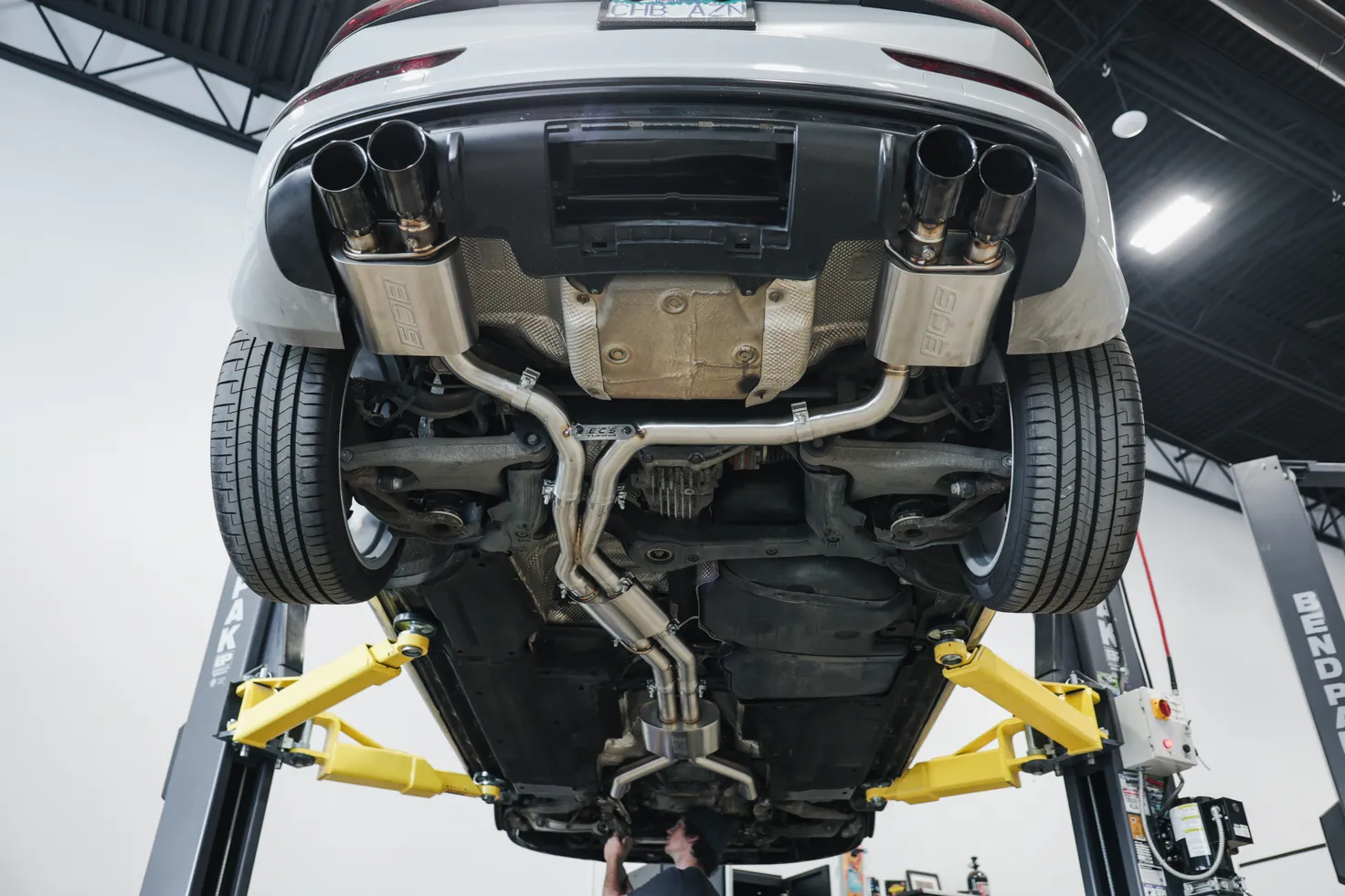
Growing an auto repair business requires more than just opening your doors. Drivers have more choices, higher expectations, and many ways to compare shops before they decide. Sustainable growth follows proven strategies: shops that consistently attract new customers and increase revenue focus on visibility, trust, convenience, and customer experience. Here are twenty tips that help repair businesses stand out and grow.
"Shops that consistently attract new customers and increase revenue focus on visibility, trust, convenience, and customer experience — the four pillars of sustainable auto repair growth."
Tip: The most successful auto repair shops don't just rely on word-of-mouth — they build multi-channel strategies that combine online visibility, customer trust, and seamless convenience to drive consistent growth.
Takeaway: Sustainable growth in the auto repair industry is never accidental — it's the result of deliberate strategy, customer-first thinking, and a commitment to continuous improvement across every touchpoint.
Growth Pillar
Visibility
Ensures new customers can find your shop before competitorsTrust
Converts first-time visitors into loyal, repeat customersConvenience
Reduces friction and makes choosing your shop the easy decisionCustomer Experience
Drives referrals, reviews, and long-term retention
1. Claim and Optimize Your Google Business Profile
A fully optimized Google Business Profile puts your shop at the top of local search results when drivers need immediate help. Fill in every section with correct hours, services, photos of your facility and work, and regular posts about seasonal maintenance or promotions. This visibility drives more calls and directions from customers ready to book.
2. Encourage and Showcase Authentic Customer Reviews
Good reviews build trust and influence decisions more than any ad. Make it easy for happy customers to leave feedback through text links or email requests, then display the best ones prominently on your site and in the shop. Respond thoughtfully to every review to show you value input and stand behind your work, which encourages more five-star feedback and attracts new clients.
3. Build a Professional, Mobile-Friendly Website
Your website works like a store open 24/7, converting browsers into customers who book appointments. Include clear service descriptions, intuitive navigation, online scheduling, and quality images of repairs and your team. Ensure fast loading times and mobile responsiveness so customers find answers quickly and book appointments seamlessly.
4. Leverage Local SEO for Better Search Rankings
Targeted local SEO helps your shop appear in searches like "brake repair near me" or "oil change in [city]." Add location-specific keywords to your website content, service pages, and blog posts, and secure backlinks from local directories and partnerships. This organic traffic brings motivated customers actively seeking reliable service.
5. Use Targeted Social Media to Engage Your Community
Post regularly on Facebook and Instagram with content that demonstrates your shop's value. Share before-and-after repair photos, maintenance tips, customer stories, and behind-the-scenes work. Run local special offers and respond promptly to comments. This builds awareness among local drivers, strengthens relationships, and increases bookings and referrals.
6. Launch a Referral Program with Real Incentives
Turn happy customers into active promoters with a simple referral system that rewards both the referrer and the new client. Offer perks like service discounts, free inspections, or gift cards for every successful referral that books an appointment. People are more likely to act on recommendations from friends and family than on ads, creating a low-cost source of qualified leads.
7. Run Targeted Email and Text Marketing Campaigns
Build and maintain an email or SMS list of past customers using permission-based messages that provide value: seasonal maintenance reminders, special offers, and helpful tips. Organize messages by vehicle type, service history, or last visit date to increase relevance and response rates. Regular outreach keeps your shop top of mind, encourages repeat visits, and reactivates lapsed customers cost-effectively.
8. Partner with Local Businesses and Fleets
Form alliances with nearby companies, apartment complexes, ride-share drivers, or corporate fleets needing regular vehicle maintenance. Offer exclusive discounts, priority scheduling, or on-site inspections to secure steady volume. These partnerships deliver predictable revenue and introduce your shop to new customers through word-of-mouth from employees and operators.
9. Invest Wisely in Pay-Per-Click Advertising
Use Google Ads for high-intent local searches, such as "emergency brake repair near me," to capture customers ready to book. Create specific landing pages with clear calls-to-action, transparent pricing, and easy scheduling. This paid channel delivers fast, measurable results and fills bays during slower periods while you build long-term organic visibility.
10. Create Valuable Content That Educates Drivers
Publish blog posts, videos, or social content addressing common car problems, maintenance benefits, and frequently asked questions. Use local search terms and share your content across multiple channels to demonstrate expertise, build customer trust, improve search engine rankings, and establish your shop as the go-to destination. Prospects educated this way convert to customers at higher rates.
11. Implement Online Scheduling for Maximum Convenience
Let customers book appointments directly from your website or Google Business Profile any time, day or night. Show real-time availability, let them select their service, and send automatic confirmations with reminders to reduce no-shows. This streamlined process increases booking rates and demonstrates that your shop is modern and customer-focused.
12. Offer Maintenance Packages and Bundles
Create affordable service bundles for routine needs such as oil changes, tire rotations, brake inspections, and multi-point inspections. Bundles encourage regular visits, build predictable revenue, and transform one-time repairs into ongoing customer relationships that keep your bays full.
13. Host Community Events and Workshops
Organize free or low-cost events such as car care clinics, vehicle safety checks, or seasonal maintenance workshops at your shop or local venues. Invite families, neighborhood groups, and first-time drivers to experience your expertise firsthand. These activities generate goodwill, direct leads, and positive word-of-mouth from customers who feel connected to your business.
14. Focus on Exceptional Staff Training and Customer Service
Train your team on clear communication, empathy, and transparent repair explanations. Use role-play scenarios and establish standards for follow-up calls and updates. Skilled, caring interactions transform stressful car problems into positive experiences, boosting reviews, retention, and referrals while distinguishing your shop from impersonal chains.
15. Track Performance and Adjust Strategies with Data
Track key metrics: website visitors, customer conversions, customer acquisition cost, and retention rates. Use measurement tools to monitor these figures. Focus resources on channels that generate the highest return and improve underperforming ones. Data-driven decisions ensure your marketing budget and effort deliver maximum impact.
16. Optimize Your Facility Appearance and First Impressions
Create a clean, organized, and welcoming shop environment that makes customers feel comfortable from the moment they arrive. Keep waiting areas spotless with comfortable seating, clear signage, fresh coffee, and current reading materials. A professional physical space demonstrates the quality of your work and transforms first visits into positive experiences that encourage repeat business and referrals.
17. Develop Strategic Partnerships with Complementary Services
Work together with local tire shops, car washes, insurance agents, or body shops to share customer referrals and promote each other's businesses. Formal agreements for priority service or bundled offerings help you reach new customers cost-effectively and create convenient one-stop solutions that drivers appreciate.
18. Monitor and Improve Your Online Reputation Actively
Set up alerts for review platforms and social mentions to address feedback quickly. Thank positive reviewers publicly and resolve concerns professionally. A strong, managed reputation boosts local search rankings and gives hesitant customers confidence to choose your shop over competitors.
19. Analyze Competitor Strategies and Differentiate
Regularly review what successful local shops and chains do well in marketing, pricing, and service offerings. Find gaps in your approach and highlight unique strengths such as personalized service, faster turnaround, or specialized expertise. This positions you distinctly against big-box competitors and attracts customers seeking alternatives.
20. Leverage Shop Management Software
Modern shop management software reduces paperwork and frees up time to focus on serving customers and growing your business.
What features should you look for when opening an auto repair shop?
Kanban-style job boards with customizable pipelines track repairs from start to finish via drag-and-drop. Integrated calendars and online booking reduce scheduling problems and no-shows. Customer and vehicle management tools maintain detailed histories, notes, and mileage logs to enable faster, more personalized service. Automated invoicing, flexible payment options including online methods, and built-in SMS/email chat improve communication and cash flow.
How can shop management software help you run a tighter operation?
Support Lane offers tools designed for independent auto repair shops. Our job management, appointment system, customer-facing tools, and communication features help you run smoother operations, deliver great customer experiences, and focus on acquiring and retaining customers.
Related Reading
How Support Lane Helps You Manage and Grow Your Auto Repair Shop

Support Lane solves a problem that grows quietly until it becomes urgent. Every tool you add to manage your shop creates another gap between systems, and those gaps cost you time, money, and customers you never knew you lost.
What hidden friction is slowing down your auto repair shop?
The failure point is usually not the work itself—it's the space between the work. A job finishes, but the invoice sits. A customer calls, but the note lives in someone's back pocket. A technician waits because no one updated the board. These small frictions add up daily, and most shop owners absorb the cost without naming it. Consumers read online reviews for local businesses, meaning every delayed update, missed callback, and billing error has a public consequence that outlasts the repair itself.
How does a single platform change the way you open an auto repair shop?
Shop management software like Support Lane consolidates job tracking, scheduling, invoicing, customer records, and communication into one integrated platform. Our solution delivers faster turnarounds, fewer billing errors, and more organized customer interactions rather than reactive ones.
What this looks like inside the shop
When a vehicle arrives, Support Lane automatically creates a work order, assigns it a stage on a visual Kanban board, and connects it to the customer's full vehicle history, including VIN-decoded details and mileage logs. Technicians see exactly where every job stands without requesting updates. Customers automatically receive a 24-hour appointment reminder. The shop's calendar fills based on real availability, eliminating double bookings and last-minute gaps that reduce daily revenue.
How do invoicing and payment work when you open an auto repair shop?
Invoicing works the same way. Line items come from pre-built service templates with labor and parts prices already set, so estimates go out quickly and remain consistent. Customers can pay via an online link sent to their email or using a payment terminal at the counter. Cash flow improves because payment collection takes minutes instead of days.
What separates the shops that scale when you open an auto repair shop?
The shops that grow most are not always those with the best tools, but those where every system helps every other system work better: a booking leads smoothly to a job card, a job card to an invoice, and an invoice to a paid account and follow-up message. That chain functions seamlessly only when it runs through one platform rather than five.
Sign up for Your Free Trial to Manage Your Auto Shop with Ease Today
Support Lane brings job tracking, scheduling, invoicing, customer records, and communication into one unified platform so nothing falls through the cracks and every workflow supports the next. Everything your auto shop needs lives in a single, streamlined system, eliminating disconnected tools and lost visibility into critical shop operations.
Start a free trial at supportlane.io with no credit card required. Import your existing data and organize your first jobs and appointments within minutes — getting your shop up and running has never been faster or more effortless.
"One platform to manage job tracking, scheduling, invoicing, customer records, and communication — so every workflow supports the next." — Support Lane
Tip: You can import your existing data and have your first jobs and appointments organized in minutes — no lengthy onboarding, no technical headaches.
Key Point: No credit card required means you can experience the full power of Support Lane completely risk-free before committing.
Job Tracking
Monitor every repair from start to finish
Scheduling
Organize appointments without conflictsInvoicing
Generate and send invoices instantlyCustomer Records
Keep every client's history in one placeCommunication
Stay connected with customers and staff
Best Practice: Take advantage of the free trial to explore all five core features and see how Support Lane transforms your daily shop operations from day one.
Ready to modernize your shop?
Join the independent auto repair shops already using Support Lane to manage their jobs, customers, and invoices in one place.