How to Use Video in Your Auto Repair Shop Marketing: 7 Tips
Video marketing gives auto repair shops a direct way to build trust with local customers, show off their expertise, and stand out from competitors without a massive budget. When paired with the best AI tools for auto repair shops, creating content that resonates with your community becomes faster and more manageable than most shop owners expect. Understanding which videos work, how to produce them simply, and what makes them effective for attracting new business is worth learning before you start.
Running a shop while actively growing it is a real balancing act, and staying organized is what makes both possible. Freeing up time to focus on marketing, customer relationships, and content creation starts with having the right systems in place. Support Lane's shop management software helps auto repair shop owners track customer interactions, streamline daily operations, and create the breathing room needed to build a stronger online presence.
Table of Contents
What Is Video Marketing for Auto Repair Shops, and Why Does It Matter?
What Types of Videos Should an Auto Repair Shop Create?
How Often Should an Auto Repair Shop Post Marketing Videos?
7 Tips for Using Video in Your Auto Repair Shop Marketing
What to Avoid When Using Video for Auto Repair Marketing
How Support Lane Turns Video Marketing Into More Manageable Customer Bookings
Sign up for Your Free Trial to Manage Your Auto Shop with Ease Today
Summary
Automotive video ads generate three times more leads than traditional display ads, according to Demand Local's 2025 analysis. That gap exists because video builds trust before a customer ever contacts a shop. Drivers decide where to go hours before they call, often during a late-night phone search, and shops that show up in that moment with relevant video content win the appointment before the competition even knows it exists.
• Cox Automotive’s 2026 Fixed Operations and Ownership Study found that consumers who received photos or videos during a service visit spent about $230 more on the repair order than those who did not ($640 versus $410 out of pocket). Nearly half of consumers, 49 percent, said seeing photos or videos made them more likely to approve recommended services. Dealers who use photos and videos cited a 53 percent increase in consumer trust and 45 percent higher customer engagementConsistency in posting matters more than volume. Research shows that dealerships using video content see 49 percent faster revenue growth than those that do not, and that advantage comes from presence rather than production quality. Platforms like YouTube and Instagram reward accounts that publish on a predictable schedule by continuing to surface content to local discovery feeds. Shops that post sporadically lose that algorithmic signal and effectively start from scratch with each upload.
Inspection footage and symptom explanation videos address the most common trust barrier in auto repair. A 2023 ConsumerAffairs survey found that 83 percent of drivers consult someone they know before approving a repair recommendation. Sending a short clip of the actual worn part or visible damage gives customers the same view the technician has, reducing the need for a second opinion and increasing the likelihood of same-visit approval.
Pickup testimonials carry more weight than written reviews because they show relief in real time rather than describing it after the fact. BrightLocal's 2026 Local Consumer Review Survey found that 31 percent of consumers now use only businesses rated 4.5 stars or higher, up from 17 percent the year before. A recent video testimonial signals that the shop is performing at that level today, not just at some point in the past.
Video intent converts quickly but also expires quickly. According to SundaySky's 2025 Video Marketing Statistics, 89 percent of consumers say watching a video convinced them to buy a product or service. That decision window closes fast, and shops that rely on a phone number in a caption lose viewers who are ready to book at 10 p.m. but unwilling to wait until morning. A live booking link tied to an organized system captures that intent before it disappears.
Shop management software addresses this by connecting video-driven traffic directly to online booking, customer records, job tracking, and invoicing in a single platform, so the trust a clip builds doesn't stall at the point of conversion.
What Is Video Marketing for Auto Repair Shops, and Why Does It Matter?
Your shop can do exceptional work every single day and still lose the booking to a competitor who shows up on a driver's phone first. Video marketing is how independent auto repair shops close that gap. It puts your technicians, your process, and your judgment in front of potential customers before they ever call a number or fill out a contact form.
Key Point: Video marketing isn't just a nice-to-have — it's the critical difference between a shop that gets found and one that gets overlooked, no matter how good the work is.
Video marketing helps automotive businesses build trust, increase visibility, and turn potential customers into booked appointments:
Showcases your technicians and process → Builds trust before first contact.
Appears on drivers' phones and feeds → Closes the visibility gap with competitors.
Puts your judgment on display → Converts strangers into booked appointments.
Lead generation → “Automotive video ads generate three times more leads than traditional display ads.” — Demand Local, 2025.
According to Demand Local's 2025 analysis of video advertising, automotive video ads generate three times as many leads as traditional display ads. Video lets a stranger read your body language, hear your confidence, and decide whether to trust you — all before the first conversation.
Tip: Think of every video as a silent salesperson working around the clock — building credibility, establishing authority, and warming up leads so your front desk closes faster.
How does video in your auto repair shop marketing win customers before they call?
Most shops wait until a customer is in the bay to build trust, but they decide where to go hours or days earlier, often during a late-night phone search. A thirty-second clip of a technician explaining why a worn CV axle matters, filmed in your actual bay with real parts in hand, answers that search and the underlying worry: "Is this shop going to be straight with me?"
Our shop management software removes friction by giving shops a professional customer-facing website where video content, service pages, and online booking coexist, so video integrates into an existing system rather than becoming a new maintenance burden.
What does the research say about video marketing results for repair shops?
Research from Daily Trust's coverage of automotive video marketing shows that video marketers earn 66 percent more qualified leads per year than those using static content alone. Qualified leads are prospects who understand what the shop does, feel some familiarity with it, and call to confirm rather than compare.
Cox Automotive's 2026 Fixed Operations and Ownership Study found that consumers who received photos or videos during a service visit spent approximately $230 more on the repair order than those who did not ($640 versus $410 out of pocket). Nearly half of consumers (49 percent) said seeing photos or videos made them more likely to approve recommended services. Dealers using photos and videos reported a 53 percent increase in consumer trust and 45 percent higher customer engagement.
A short clip sent with a digital inspection report, showing the worn part next to a new one, transforms an abstract recommendation into something the customer can see and verify. That transparency shifts the dynamic from "trust me" to "look for yourself," and the difference in approval rates reflects it.
Related Reading
What Types of Videos Should an Auto Repair Shop Create?
Seven types of video content move customers from uncertainty to a booked appointment: symptom clips, inspection footage, before-and-after proof, estimate breakdowns, technician introductions, pickup testimonials, and seasonal myth-busters. Each one addresses a different moment in the customer's decision process, covering the full journey from "something sounds wrong" to "I trust this shop with my car."
"The most effective auto repair video strategies don't just showcase services — they address every stage of the customer's decision journey, from first symptom to final trust."
Key Point: You don't need one perfect video — you need seven types that work together to guide customers through every stage of their decision.
Tip: Start with symptom clips and pickup testimonials — these target the two highest-anxiety moments a customer experiences: "What's wrong with my car?" and "Did I make the right choice?"
Each video type addresses a specific customer concern, helping shops build trust and make the repair decision easier:
Symptom clips → Addresses “Something sounds/feels wrong.”
Inspection footage → Addresses “Can I trust what they're telling me?”
Before-and-after proof → Addresses “Will the repair actually make a difference?”
Estimate breakdowns → Addresses “Is this price fair?”
Technician introductions → Addresses “Who is working on my car?”
Pickup testimonials → Addresses “Did other customers have a good experience?”
Seasonal myth-busters → Addresses “Do I really need this service right now?”
Which video earns trust fastest?
The answer depends on where the customer is in their thinking. A driver who hears a grinding noise needs a symptom video that names the sound and risk within the first ten seconds. A driver facing a $900 estimate needs to see the worn part next to the new one, not read another line item. Most shops fail by treating all video content identically. Different fears require different proof.
How does filming on the lift solve the core trust problem in auto repair?
Inspection clips filmed on the lift solve the biggest trust problem in auto repair. ConsumerAffairs found in their 2023 survey that 83 percent of drivers consult someone they know before approving a repair recommendation. A thirty-second clip of the leak, crack, or remaining tread gives that trusted friend your view, transforming a second opinion from a second estimate.
How to use video in your auto repair shop marketing to convert nervous first-time customers?
Most shops film what feels comfortable—usually a finished job or a smiling technician—without clear purpose. The hidden cost is that videos most likely to convert nervous first-time customers- symptom explanations and estimate breakdowns- are the ones shops film least often because they require explaining the problem before the customer calls. Support Lane gives every shop a customer-facing website with services and contact information already in place, providing video content a natural home the moment it is filmed.
What makes a pickup testimonial different from a written review?
A written review describes an experience; a pickup testimonial shows it. When a customer stands next to the car they just picked up and describes their concerns and what they observed, the viewer hears relief in real time, not a polished summary written days later. BrightLocal's 2026 Local Consumer Review Survey found that 31 percent of consumers now use only businesses rated 4.5 stars or higher, up from 17 percent the year before. A fresh video from this week carries more weight than a five-star text review from last winter because recency signals the shop still performs at that level today.
Which video formats work best when you use video in your auto repair shop marketing?
Seasonal content and myth-bust clips are the most underused format in independent shops and the most forgiving to produce. A two-minute clip explaining why the 3,000-mile oil change recommendation is outdated or why a battery check before the first hard freeze matters requires someone on your team who knows the answer and is willing to say it on camera four to six weeks before the season changes. That timing converts a forgotten maintenance item into a scheduled appointment without discounts or hard sells.
How Often Should an Auto Repair Shop Post Marketing Videos?
Three short videos a week is the answer the data keeps returning to. A predictable short run, repeated consistently, beats both daily posting and once-in-a-while uploads that teach your audience to forget you exist.
Key Point: The magic number isn't more — it's three. Consistency at a sustainable cadence is what builds audience trust and keeps your shop top of mind.
"A predictable short run, repeated consistently, beats both daily posting and once-in-a-while uploads that teach your audience to forget you exist."
Posting consistently helps maintain audience engagement without creating the burnout risks of excessive posting:
Daily posting → Risks burnout and diminishing returns.
3 videos per week → Provides optimal consistency while keeping the audience engaged.
Occasional uploads → Audience forgets you exist, resulting in zero momentum.
The biggest jump is from zero to three. According to Demand Local, dealerships that post video content see 49% faster revenue growth than those that don't. The shop that shows up on Wednesday with a worn brake pad and a plain explanation earns the appointment from the driver who heard a scraping sound on Tuesday night. The shop that posts nothing earns nothing.
"Dealerships that post video content see 49% faster revenue growth than non-video users." — Demand Local
Tip: Your next video doesn't need to be perfect — it needs to be posted. A real explanation of a worn brake pad filmed on a phone will always outperform the polished video you never made.
Takeaway: 49% faster revenue growth is the cost of inaction. Every week without video content is a week your competitor earns the appointment you should have gotten.
Why does posting consistency matter more than posting volume?
When you post on a consistent schedule, the algorithm builds an accurate picture of who watches your content and when they engage. When you disappear for three weeks and return with a burst of five videos, the system treats you like a stranger and tests your content against a cold audience with no recent engagement signal. Consistency keeps the signal warm so the platform continues testing your clips in local discovery feeds where new customers find you.
Most shop owners film video when nothing else demands attention. The hidden cost is the accumulated absence that makes your shop invisible when potential customers search for someone to trust with their car. Shop management software like Support Lane provides a professional website where video content lives alongside online booking and service information, so a clip filmed on Wednesday becomes part of a connected presence that converts viewers into booked appointments.
What does the data say about how often to post video for auto repair shop marketing?
Buffer studied 11.4 million TikTok posts and found that accounts posting two to five times per week earned up to 17 percent more views per post than accounts posting once a week. Metricool and HypeAuditor's 2025 Instagram Content Playbook covering 700 million posts found that 93.5 percent of accounts post once a week or less and lose about 2 percent of followers yearly, while accounts posting two to three times weekly show average growth of 19 percent, and four to six posts reach 33 percent.
How can a busy shop realistically hold a three-video-a-week schedule?
For a four-bay shop, that means two proof clips filmed between jobs, one trust clip featuring a technician face or seasonal tip, and a monthly longer explainer for YouTube. This schedule accommodates parts delays, sick technicians, and busy Fridays.
The failure mode is posting inconsistently enough that both the platform and the customer learn your shop is unpredictable. Pick a three-video week you can repeat for ninety days, batch on one slow afternoon, and publish on the same days each week.
Related Reading
7 Tips for Using Video in Your Auto Repair Shop Marketing
The right video gives potential customers a reason to stop scrolling, understand a problem, and trust your shop before they ever call. Create content around what drivers actually need — not just film whatever happens in the service bay.
"Video content is one of the most powerful trust-building tools available to local businesses — the key is creating content that solves real problems for your audience, not content that simply exists." — Content Marketing Institute
Different video types build trust in different ways, from establishing expertise to providing social proof and showing real repair results:
How-to explainers → Purpose: Educate drivers on common issues → Trust impact: High — positions you as the expert.
Behind-the-scenes → Purpose: Show your process and team → Trust impact: Medium — builds familiarity.
Customer testimonials → Purpose: Social proof from real clients → Trust impact: Very high — drives conversions.
Problem diagnosis walkthroughs → Purpose: Help viewers identify their issue → Trust impact: High — creates immediate relevance.
Shop tour videos → Purpose: Reduce first-visit anxiety → Trust impact: Medium — builds comfort and confidence.
Seasonal tips → Purpose: Timely, shareable advice → Trust impact: Medium — keeps your brand top of mind.
Before & after repairs → Purpose: Visual proof of quality work → Trust impact: Very high — shows real results.
Tip: Focus your first five videos on the questions your service desk hears every single week — those are your highest-value content opportunities.
Key Point: The most effective shop videos aren't about showcasing equipment — they're about making the viewer feel understood, informed, and confident enough to book an appointment.
Best Practice: Always film with your ideal customer's problem in mind first, and let the visual storytelling follow — this approach consistently outperforms random, unplanned content in engagement and conversion rates.
1. Win the First Three Seconds With the Problem
Drivers stop for a noise in their car, a pad worn to metal, or a question they typed into search that morning—not a logo animation. Lead with that image or sentence, then name the risk and next step. Hook the viewer in the first three seconds with something visual or a sharp question, then deliver the explanation. A clip that starts with "Welcome to our family-owned shop" loses the person who opened the app because the brakes grind. Start with the grind.
2. Film the Job That Is Already on the Lift
The best marketing videos come from work you already do. Mount your phone, show the broken part next to the new one, walk the camera along the leak, or talk through scan results using the same words you use with customers at the counter. Treat smartphone walk-arounds on the lift as a normal part of customer conversation, not a separate video production day. Blur license plates and paperwork. Keep faces and names out of the video unless the customer agrees to be filmed. A £25 tripod and bay light beats waiting to make a video that never gets made.
3. Shoot Vertical and Caption Every Line
Reels, Shorts, and TikTok fill a phone screen. Horizontal footage shrinks into a letterbox and gets skipped. Record upright, keep the subject in the center third, and burn captions on screen: viewers watch in waiting rooms, parts lines, or quiet offices with sound off. Captions preserve torque specs and part names that disappear in muddy audio. One vertical master file works across Instagram, TikTok, YouTube Shorts, Facebook, and your Google Business Profile without reshooting.
4. Cover One Repair and Speak Like a Person
A two-minute tour of every service on the menu teaches nothing and sells nothing. Pick one job: front brakes, a misfire, an A/C that blows warm. Structure the script around what you found, why it matters to the driver, and what you did or recommend. Drop the lecture voice. Say "the pad is down to the backing plate" instead of a parts catalog paragraph. Keep estimate breakdowns under ninety seconds, grouped into parts, labor, and what you verified. That same structure works on a Reel. One clear ticket per video is easier to search, share, and film again next week.
5. Batch on a Slow Hour Instead of Hunting Inspiration Daily
Block your slowest hour each week to shoot three short clips from jobs you're already working on. Record voiceover later if needed. A phone is enough. Start with two to three videos per week, all filmed in one session, then schedule posts for the same weekdays. A repeatable Tuesday batch works better than a daily plan that collapses when urgent work arises.
6. Put Every Clip Where the Driver Already Looks
Post short clips to Instagram Reels, TikTok, YouTube Shorts, and Facebook. Embed the same file on your website so searches for "brake job" land on proof, not text. Upload to your Google Business Profile, where local customers decide who to call. Send inspection and "here is what we found" clips in estimate threads. Title and describe files with the service plus your city so search engines and platforms reach your audience. Blur plates, VINs, and paperwork every time. One filmed repair serves as a Reel, website embed, profile video, and text to the car owner.
7. Turn the View Into a Booked Job
Video that never becomes an appointment is advertising with no checkout. End every clip with one action: book, call, or reply—then make that action easy. Support Lane gives shops a customer-facing site with online booking tied to the calendar, so a driver who watched the brake video can request a time without phone tag. Staff approve, reject, or reschedule the request, and the customer receives a reminder 24 hours before the visit. Questions after the video move to Support Lane Chat over SMS or email. When the car is in the bay, the job sits on the board with work order numbers, service templates, estimates, and invoices you can send as PDFs, plus optional payment links for deposits or balances. A thirty-second clip becomes a scheduled visit instead of a comment.
What to Avoid When Using Video for Auto Repair Marketing
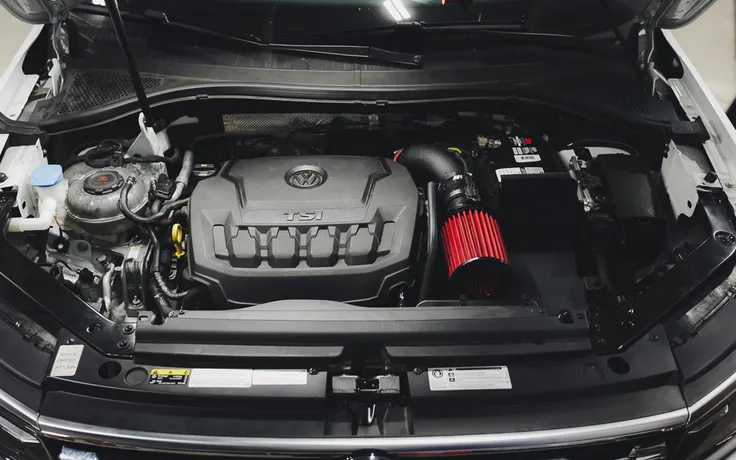
Video marketing shows that you know about auto repair, but doing it badly can hurt how people see your business. Avoiding common mistakes keeps your content helpful and worth watching.
"Video done poorly doesn't just fail to attract customers — it actively drives them away, signaling unprofessionalism at the exact moment trust matters most." — Video Marketing Best Practices
Warning: Even one poorly produced video can undermine your shop's credibility and send potential customers straight to your competitors.
Tip: Before hitting publish, always review your video for audio quality, clear messaging, and a strong call-to-action — these are the most commonly overlooked elements in auto repair video marketing.
Common video mistakes can make a business look less professional and cause potential customers to drop off before taking action:
Poor audio quality → Feels unprofessional, causing viewers to drop off fast → Use a dedicated microphone.
No clear call-to-action → Viewers don't know what to do next → End with a direct next step.
Overly technical jargon → Alienates everyday customers → Speak in plain, simple language.
Shaky or dark footage → Signals low effort and poor quality → Use proper lighting and stabilization.
Key Point: Video marketing is one of the most powerful tools available to auto repair shops — but only when executed with intention, quality, and consistency. Skipping the basics doesn't just waste your time; it actively damages your brand reputation.
Do Not Make the Shop the Star of Every Clip
A driver who heard a grinding noise doesn't care that you've been family-owned since 1998—they care whether it's safe and what happens if they keep driving. Open with their problem, show the failed part, and name the next step. Save the origin story for a separate clip. Videos that lead with a logo sting, drone shots, and speeches about "quality service" lose the person who opened the app for brakes.
Do Not Publish Shortcuts That Put Cars and Drivers at Risk
Shocking clips get more views than honest ones. Auto Trader analyzed 130 #CarTok videos and found that 59 percent of car-related clips warrant caution, 81 percent of cleaning "hacks" risk vehicle damage, and 90 percent of repair videos inexperienced mechanics should not attempt. Jeff Cox of the Automotive Maintenance and Repair Association warns that customers watch a two-minute grind-the-rotor clip, then treat a proper machine-or-replace line on estimates as an upsell. Show the correct process, specify when a job requires a lift with proper tools, and never stage a brake, timing-belt, or ADAS job as a weekend project.
Do Not Post Landscape Facebook Video to TikTok and Skip Captions
Short-form feeds are vertical. A wide shot of the bay shrinks into black bars and gets skipped. Film upright, placing the part and technician's face in the center third. Burn captions on every line. YouTube's guidance is direct: captions help viewers who are deaf or hard of hearing, people watching with sound off, and people who need on-screen text. The W3C notes the same benefit in loud shops, quiet offices, and search, since caption text is searchable. Auto-generated captions need human review so "rotor" doesn't become "motor."
Do Not Upload a Clip With No Title, No Place, and No Next Step
An untitled file named IMG_4382 does not rank for "squeaky brakes in [city]." Write a title naming the symptom or job and town. Include the shop name, address, phone number, and one-sentence summary in the description. End with a single action: call, book, or watch the next clip. Videos that stop at "another one done" collect views but zero appointments. One message per video, one ask at the end.
Do Not Put Customer Identity on the Internet
License plates, VIN stickers, dash paperwork, and customer names in audio turn trust clips into privacy problems. Blur plates and documents before posting. Keep faces off video unless the person consents on camera. Film the component, scan data, and your process instead. A "what we found" clip works without turning someone's vehicle into a public case file.
Do Not Script Fake Praise or Hide Who Is Talking
The Federal Trade Commission's endorsement guides require testimonials to reflect real opinions. Video disclosures must appear in the video itself, not just in the description, since some viewers watch without sound and others skip captions. The FTC prohibits fabricated reviews, fake customers, invented experiences, or paid positive feedback. If a staff member or family member appears in a "customer" video, disclose this on screen. If you offered a discount for the recording, say that too. Fake praise is easy to spot and expensive to defend.
Do Not Wait for a Studio Day, Then Disappear for a Month
Customers choose shops based on real work, not perfect lighting. A common failure is posting five polished clips in one week, then going silent for a month. Platforms prioritize recent activity; a cold account starts over. Film three short clips from jobs already on the lift, queue them for the same weekdays, and keep the camera in the bay. A raw, captioned comparison posted on schedule outperforms a commercial stuck in editing.
How Support Lane Turns Video Marketing Into More Manageable Customer Bookings
Video attention doesn't mean much if it has nowhere to go. When a viewer watches your brake job video at 10 p.m. and feels ready to book, a phone number in the caption asks them to do too much work. They screenshot it, tell themselves they'll call tomorrow, and forget.
"A viewer who feels ready to book at 10 p.m. won't call tomorrow — they'll forget. The shop that captures that moment instantly wins the job."
Tip: The gap between video interest and confirmed booking is where most shops lose customers — close it with a direct online booking link in every video description.
Shop management software like Support Lane solves this by giving every shop a customer-facing website with live services, online booking tied to the existing calendar, and a job board that turns accepted requests into trackable work orders — all in one system.
Key Point: Support Lane connects your video marketing directly to your booking pipeline — so a viewer watching at 10 p.m. can schedule immediately, without a single phone call.
Support Lane turns missed after-hours leads into immediate, trackable bookings that stay connected to the shop's workflow:
Without Support Lane → Viewer screenshots a phone number → With Support Lane: Viewer clicks a direct booking link.
Without Support Lane → Customer tells themselves they'll call tomorrow → With Support Lane: Customer books instantly at 10 p.m.
Without Support Lane → Shop loses the lead overnight → With Support Lane: Booking is confirmed and tied to the calendar.
Without Support Lane → Manual follow-up required → With Support Lane: Request becomes a trackable work order automatically.
What happens when video traffic has nowhere to go
The failure point is almost always the gap between "I watched it" and "I booked it." According to SundaySky's 2025 Video Marketing Statistics, 89% of consumers say watching a video convinced them to buy a product or service. That intent expires fast. A viewer landing on a live services page with a booking form converts at rates a voicemail prompt never will. The URL in your caption is not a detail—it is the entire conversion mechanism.
Does online booking mean giving up control of your calendar?
A concern shops raise when enabling online booking is losing authority over the calendar. Booking requests arrive as pending; staff review and approve or reschedule at their discretion. The shop still decides which slots fill and which stay protected. What changes is that the 10 p.m. viewer submits a request instead of defaulting to a competitor who answers at night. The pending brake appointment on your board at 7 a.m. is a lead you would have lost without ever knowing it existed.
How does video in your auto repair shop marketing create inbox chaos without the right system?
Shops managing bookings by hand using text threads and paper schedules struggle when video-driven business grows. A single video about worn rotors can bring five inquiries in 48 hours, spreading across personal phones, social DMs, and voicemails with no record connected to a customer name or vehicle. Support Lane collects customer messages by email or SMS into one inbox, ties each thread to a customer record, and stores vehicle details alongside it. The first-time viewer who booked after your rotor video is no longer a stranger the next time you post about that same make.
The invoice has to match the trust the video built
According to SellersCommerce's Video Marketing Statistics, video marketers get 66% more qualified leads per year than those who don't use video. Qualified means the customer already understands the service from watching the technician explain it. When the estimate matches what was shown on camera, the experience feels consistent. Starting from a blank ticket written under pressure creates friction at the worst possible moment: right before they hand over the keys.
How does end-to-end consistency turn video leads into completed jobs?
The job board closes the loop. A video-sourced lead becomes a card on a Kanban board, moves through pipeline stages as work progresses, and ends with an invoice the customer can pay through an online link or terminal. The shop that built trust through a 60-second clip completes the transaction in the same system that captured the original booking request. That continuity distinguishes a shop that feels professional from start to finish from one that looks polished on camera but chaotic behind the counter.
Sign up for Your Free Trial to Manage Your Auto Shop with Ease Today
If your shop's video content is building recognition, explaining repairs, and earning trust from potential customers, Support Lane connects that momentum to online booking, job tracking, VIN decoding, Kanban pipelines, and invoicing—all in one platform built for independent shops.
These features connect customer acquisition, repair operations, vehicle data, workflow visibility, and payment into one streamlined shop process:
Online booking → Converts video viewers into scheduled appointments.
Job tracking → Monitors every repair from intake to completion.
VIN decoding → Instantly pulls accurate vehicle data.
Kanban pipelines → Visualizes your entire workflow at a glance.
Invoicing → Closes the loop from repair to paid.
"One platform that connects your shop's video recognition to online booking, job tracking, and invoicing—everything an independent shop needs to turn views into revenue." — Support Lane
Tip: Don't let your video content stop at views. Every repair explanation and trust-building clip is a missed opportunity without a clear path to booking—Support Lane closes that gap.
Key Point: Support Lane is built specifically for independent auto shops—not a generic tool, but a purpose-built platform that handles your entire workflow in one place.
Start your free trial of shop management software and give every video a clear path from first view to completed repair. Turn passive viewers into loyal, paying customers without juggling multiple tools or losing jobs in the cracks.
Best Practice: Sign up for your free trial and connect your shop's content momentum to a fully integrated system from the first click on your video to the final invoice.
Related Reading
Ready to modernize your shop?
Join the independent auto repair shops already using Support Lane to manage their jobs, customers, and invoices in one place.