9 Auto Repair Customer Communication Tips to Build Trust

Auto repair shops face a constant challenge: keeping customers informed while managing a busy service floor. Poor communication erodes trust faster than almost anything else, and shops that rely on outdated or inconsistent outreach often lose repeat business to competitors that communicate better. The best AI tools for auto repair shops are reshaping how teams handle updates, follow-ups, and customer interactions, raising the bar across the industry.
Building genuine customer loyalty requires more than good mechanical work. Customers want timely updates, clear explanations, and the confidence that their shop has everything under control. That level of consistency is easier to maintain with the right systems in place, which is why many shops are turning to Support Lane shop management software to keep every customer conversation organized and on time.
Table of Contents
What Does Good Customer Communication Look Like in Auto Repair?
Why Is Customer Communication Important for Auto Repair Shops?
What Communication Problems Are Costing Auto Repair Shops Customers?
9 Auto Repair Customer Communication Tips to Build Trust
How to Choose the Right Customer Communication Tools for Your Auto Shop
How Support Lane Helps Auto Repair Shops Build Trust Through Customer Communication
Sign up for Your Free Trial to Manage Your Auto Shop with Ease Today
Summary
Poor communication is one of the leading causes of customer loss in auto repair, and the numbers are striking. J.D. Power’s 2026 U.S. Aftermarket Service Index Study found that texting photo and video multi-point inspection results more than doubles the likelihood that customers approve recommended work, meaning most conflict in a shop has nothing to do with the quality of the repair itself. The gap between what the customer knows and what is actually happening in the bay is where trust erodes fastest.
Pricing transparency measurably affects how customers perceive a shop's honesty. Cox Automotive’s 2025 Service Industry Study found that 45 percent of vehicle owners report dissatisfaction with service experiences, driven primarily by unexpected costs and poor communication. Translating technical findings into plain language, backed by photos or video of the actual part, is one of the most direct ways a shop can shift a customer from uncertain to confident.
Indifference, not price or repair quality, is what drives most customers away. Losing one service customer represents more than $12,000 in potential lifetime service spend, according to a Cox Automotive Study. In a shop setting, that indifference is often invisible, showing up as a missed end-of-day call, an unconfirmed estimate, or a vehicle sitting ready for pickup that nobody mentioned until the customer called first.
Missed calls represent a significant and often underestimated source of lost business. Marchex analysis of automotive service locations shows up to 21 percent of inbound calls go unanswered, dropped, or mishandled. Most of those callers never leave a message and simply move to the next listing. Each missed conversation is a lost repair order, a lost appointment, and another owner who forms the impression that the shop is too busy or too disorganized to answer.
Shops that communicate clearly aren't just retaining customers; they are competing on entirely different terms. Shop4D research found that 86% of customers are willing to pay more for a better customer experience, which means consistent, accurate communication removes price from the equation almost entirely. A customer who feels informed and respected during one visit is far more likely to return for routine maintenance without shopping around first.
Follow-up communication after a repair is completed is one of the most underused tools for building long-term loyalty. A short message sent within 24 to 48 hours confirming the vehicle is performing well signals that the shop's interest in the customer didn't end with the invoice, and that single touchpoint often converts a one-time visitor into a repeat customer. Shop management software addresses this by keeping appointments, vehicle history, and customer conversations in one place, so follow-ups and updates happen consistently without relying on any single person's memory or availability.
What Does Good Customer Communication Look Like in Auto Repair?

Good customer communication in auto repair means explaining a customer's concern as a clear, actionable plan, confirming exactly what they expect, and staying in touch at every step. The customer should never wonder what is happening to their vehicle.
"The customer should never wonder what is happening to their vehicle — transparency at every touchpoint is the foundation of trust in auto repair."
Clear, proactive communication can make the repair experience more transparent, predictable, and reassuring for customers:
Clear explanation – Translate repair needs into plain language to build customer confidence.
Expectation confirmation – Review cost, timeline, and scope upfront to eliminate surprises and frustration.
Ongoing updates – Provide proactive check-ins throughout the repair so customers stay informed and calm.
Key Point: Great communication isn't a single conversation — it's a continuous process from drop-off to pickup that keeps customers feeling respected and in control.
Tip: Make it a shop standard to proactively update customers at every major milestone — diagnosis, parts approval, and completion — so no one is left guessing.
When silence becomes the problem
The phone call "Is my car ready yet?" signals a shop that stopped communicating. Customers fill silence with anxiety, which breeds doubt about competence and honesty. A J.D. Power 2026 U.S. Aftermarket Service Index Study found that texting photo and video multi-point inspection results more than doubles the likelihood that customers approve recommended work—most shop conflict stems from the gap between what customers know and what happens in the bay.
How does Auto Repair Customer Communication close the gap customers feel?
Strong shops close that gap with short, specific updates at predictable moments: vehicle checked in, inspection complete, estimate ready, work underway, and ready for pickup. Each message answers the question already in the customer's head, keeping advisors off the phone and customers feeling respected, not forgotten.
Why does pricing transparency change auto repair customer communication?
Jargon and vague estimates create suspicion. When a customer hears "CV axle boot failure" without plain-language explanation, they assume the worst. Cox Automotive's 2025 Service Industry Study found that 45 percent of vehicle owners report dissatisfaction with service experiences, driven primarily by unexpected costs and poor communication. Translate every finding into what is wrong, why it matters, and what happens if it waits, then support it with a photo or video of the actual part.
How does unified software keep every customer update accurate and instant?
Shop management software like Support Lane solves communication problems by keeping every customer's appointments, vehicle history, and conversation in one unified thread so any team member can send accurate updates instantly without hunting for context across multiple tools.
Follow-up after pickup is where loyalty is actually built
A message within 24 to 48 hours confirming the vehicle is running well signals that the shop's interest extends beyond the invoice. This touchpoint often separates a one-time visitor from someone who books their next service before leaving the parking lot.
Good communication in auto repair is a system, not a personality trait. Shops with warm, attentive service have removed the organizational friction that makes staying in touch difficult.
Why Is Customer Communication Important for Auto Repair Shops?

How a repair shop talks to customers decides whether it will build a business or just fix cars. When a customer hands over their keys, they are trusting a stranger with something they rely on every single day — trust that either gets stronger or weaker with every conversation that follows.
"When a customer gives you their keys, they're not just handing over a vehicle — they're handing over their daily lifeline, and every interaction either builds or erodes the trust that keeps them coming back."
Communication can directly influence whether a customer trusts your shop, returns for future work, and recommends you to others:
Strong communication – Builds long-term loyalty; poor communication can drive customers away.
Strong communication – Increases repeat business; poor communication often leads to one-time visits.
Strong communication – Generates referrals; poor communication can result in negative reviews.
Strong communication – Strengthens trust; poor communication creates doubt and anxiety.
Tip: Every touchpoint — from the first phone call to the final invoice — is an opportunity to deepen customer trust and turn a one-time visitor into a loyal, returning client.
Takeaway: Customer communication isn't a soft skill — it's a core business strategy. Shops that master it don't just repair cars; they build relationships that fuel sustainable growth.
What does poor auto repair customer communication actually cost a shop?
The financial stakes are clear. Losing one service customer means losing more than $12,000 in possible lifetime service spending, according to a Cox Automotive Study. One day of no communication can turn a temporary problem into a permanent loss.
Indifference in a shop looks like no call by day's end, an advisor who never confirms the estimate was received, or a vehicle ready for pickup that nobody mentioned until the customer called first.
Why does silence cost more than a single lost job?
Customers don't need perfection; they need to know what's happening. A quick update about a delayed part, shared in simple language, keeps customers patient. Silence for six hours erodes trust. One unanswered question can turn a happy customer into someone actively seeking alternatives.
How much does a missed call actually cost an auto repair shop?
A Marchex analysis of automotive service locations shows that up to 21 percent of inbound calls go unanswered, dropped, or mishandled. Most callers never leave a message and move to the next listing. Each missed call represents a lost repair order, appointment, and customer impression.
When does auto repair customer communication break down under a full schedule?
Most shops track customer updates through whoever is available at the front desk, relying on memory, sticky notes, or whiteboards. This works with two bays and one advisor. When the schedule fills, and three repair orders wait on parts at the same time, the system breaks down: information gets lost, calls take longer, and consistency falls apart. Shop management software like Support Lane keeps every customer's appointments, vehicle history, and service details in the same conversation thread, so any advisor has everything needed without searching through separate systems.
How does communication shape long-term revenue?
Shop4D research shows that 86% of customers are willing to pay more for a better customer experience. A shop that communicates clearly and consistently competes on confidence, not price: a stronger position. Customers who feel informed and respected during one visit return for the next oil change, brake job, and seasonal inspection without considering other shops.
Why does Auto Repair Customer Communication make technical skill visible?
Communication isn't merely an add-on to technical service; it shows customers your expertise. A perfect repair left unexplained leaves the customer confused, while a simple repair explained clearly at each step makes them feel they made a smart choice. That confidence drives referrals, repeat visits, and word-of-mouth recommendations that no advertising budget can match.
Where does the true cost of poor Auto Repair Customer Communication appear?
The real cost of bad communication does not show up when a customer leaves frustrated. It shows up months later, quietly, in the appointments that never get booked.
Related Reading
How To Digitize My Auto Repair Shop Operations
Improve Customer Communication In Auto Repair
Auto Repair Customer Engagement
What Is A Digital Vehicle Inspection
Getting Auto Repair Shop Leads With Seo
AI-powered Customer Service For Auto Repair Shops
Digital Vehicle Inspection Benefits
What Communication Problems Are Costing Auto Repair Shops, Customers?

The appointments that never get booked are only half the problem. The other half is the calls that never get answered in the first place.
"The appointments that never get booked are only half the problem. The other half is the calls that never get answered in the first place."
Warning: Every unanswered call is a direct path to a lost customer — one who will immediately dial your competitor instead.
Tip: Tracking missed calls alongside unbooked appointments gives you the complete picture of what your shop's communication gaps are truly costing you.
How does poor auto repair customer communication drive retention losses?
Cox Automotive's 2025 Service Industry Study of nearly 2,000 vehicle owners reveals that dealerships lost 12 percent of service visits since 2018. Retention for vehicles two years old or newer dropped from 72 percent in 2023 to 54 percent in 2025.
Nearly 45 percent of owners said they were not satisfied, ranking unexpected costs and poor communication as the top reasons. When a service advisor is busy with a repair estimate or customer diagnosis, incoming calls go unanswered: the customer goes elsewhere, and the ticket never opens.
The fragmentation nobody talks about
The failure point is usually not effort. Most shop owners and advisors work hard. The real issue is that customer information lives in too many places at once: a job ticket on a clipboard, a parts order in a separate system, and a customer's service history buried in a filing cabinet or a spreadsheet that only one person understands.
Why does scattered information hurt Auto Repair Customer Communication?
When a customer calls for a status update, the advisor must stop, search, and compile an answer from three different sources. That thirty-second delay communicates disorganization more effectively than any words can repair.
Worldmetrics data compiled from industry surveys shows 68 percent of customers feel frustrated when forced to chase updates multiple times, and 56 percent say they would stop using a shop after one bad communication experience.
How does consolidating tools fix Auto Repair Customer Communication gaps?
Shop management software like Support Lane consolidates two-way texting and email into a single conversation thread per customer. You can view appointment details, vehicle history, and invoices alongside every message. The platform ensures advisors know what was said, what was promised, and what comes next without searching through separate tools.
When inconsistency becomes the message
Different staff give different answers to the same customer: one says the car will be ready by three, another says end of day. The customer concludes that nobody knows. That perception of disorganization is nearly impossible to reverse. Trust is built through consistent, accurate information and destroyed through contradiction, even when both advisors acted in good faith.
How does auto repair customer communication shift from memory to system support?
Better communication rarely comes from trying harder. It comes from having the right information available when the conversation happens. When customer context, vehicle history, and job status all live in one place, the advisor doesn't need to remember or guess—they look. That shift, from memory-dependent to system-supported, separates shops that consistently earn loyalty from those that lose it to competitors.
But fixing the communication workflow only solves part of what drains customer trust from independent shops.
Related Reading
How To Market Auto Repair Shop Software Globally
Auto Repair Shop Scheduling
Auto Repair Shop Workflow
Auto Repair Customer Management Software
Automated Customer Reminders For Auto Repair
Digital Vehicle Inspection Checklist Items
Auto Repair Shop Franchise
Reduce Customer Wait Time In Auto Repair
How To Manage An Auto Repair Shop
9 Auto Repair Customer Communication Tips to Build Trust
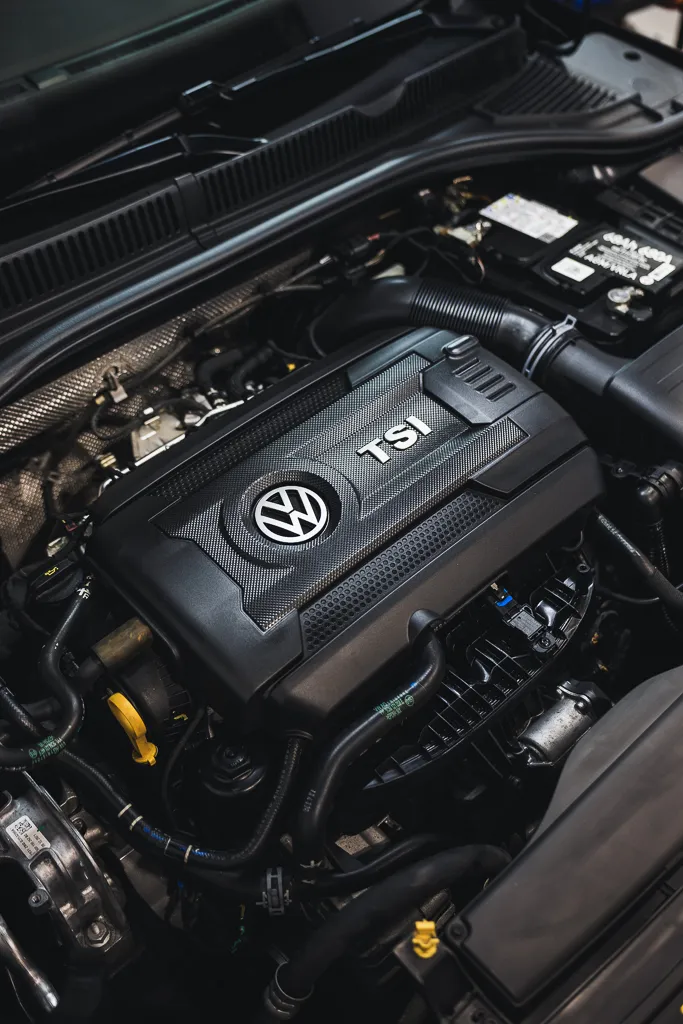
Auto repair shop owners often lose first-time customers because of unclear updates, surprise charges, or technical jargon. The nine practices below show how transparent, consistent communication builds lasting trust and repeat business.
"Transparent communication is the single most powerful tool an auto repair shop has to convert a first-time visitor into a loyal, repeat customer." — Industry Best Practice Insight
Warning: Shops that rely on vague updates and unexplained charges are the leading cause of one-star reviews and lost repeat revenue — don't let poor communication be your shop's downfall.
Tip: Implementing clear, jargon-free communication from the very first interaction sets the tone for long-term customer loyalty and higher retention rates.
Small communication changes can turn common customer frustrations into opportunities to build trust:
Surprise charges → Provide upfront written estimates before work begins.
Technical jargon → Use plain-language summaries customers can easily understand.
Unclear or infrequent updates → Send consistent status updates by text or phone.
Vague timelines → Set specific time commitments and proactively alert customers to changes.
1. Practice Genuine Active Listening From the First Contact
When a customer describes a noise, vibration, or warning light, let them finish, then restate what you heard in your own words and ask targeted follow-up questions about when the symptom occurs, how often it appears, and whether any recent driving conditions or previous work might relate. This shows that their specific experience matters more than a generic checklist. Customers who feel heard are far more likely to accept later recommendations because the conversation feels collaborative rather than one-sided. Shops that train advisors to pause, confirm understanding, and note details in the customer's own language reduce misunderstandings that erode confidence.
2. Translate Technical Findings Into Clear, Everyday Language
Avoid phrases such as "the left front CV axle boot is torn" or "rod bearing wear is indicated." Reframe these as a protective rubber cover that has split and is allowing grease to escape, or a lower-engine noise that grows louder under load and could lead to more extensive damage if ignored. Always pair the description with three practical answers: Is the vehicle safe to drive today? What is the approximate cost range? What happens if the repair is postponed? Customers need to understand the real-world consequences for their safety, schedule, and wallet. Clear language removes the suspicion that shops hide behind jargon to justify higher bills.
3. Present Itemized Estimates That Separate Required Work From Optional Recommendations
Give customers a written or digital list that breaks down labor, parts, and fees for each item. Clearly mark which services address immediate safety or reliability problems versus preventive maintenance that can wait. Explain possible future costs if work is delayed—for example, how worn brake pads can damage rotors and increase total cost. Breaking down the bill prevents bill shock, a top reason drivers distrust shops. When customers see the numbers and priorities upfront, they feel in control and are more willing to approve necessary work.
4. Support Every Recommendation With Visual Evidence
Pictures of worn pads measured against a thickness gauge, videos of wheel bearing play, or annotated digital inspection reports give customers concrete evidence instead of verbal summaries. Visual documentation closes the trust gap: customers see what technicians saw. It also protects the shop by creating a clear inspection record. Modern shops that routinely capture and share these images find higher approval rates and fewer disputes, as conversations shift from opinion to observable fact.
5. Send Proactive Status Updates at Predictable Milestones
Set up a simple routine: vehicle checked in, diagnosis complete, estimate ready, parts delay if needed, work underway, and ready for pickup. Deliver each update through the customer's preferred channel. A quick text or email before the customer needs to call reduces worry and phone calls. When delays occur, inform the customer immediately rather than waiting for them to ask. Timely, consistent communication demonstrates respect for the customer's time and builds trust, which drives repeat business and referrals.
6. Confirm and Honor Each Customer’s Preferred Communication Channel
When you first talk to a customer, ask how they want to receive updates: by text, email, or phone call. Write down their preference and use it consistently for estimates, status updates, and completion notices. Honoring this choice shows your shop values the customer as an individual, not just a job. Many car owners feel anxious about repairs, and forcing them to use an unwanted communication method only increases their stress. When updates arrive through their preferred channel, customers feel less anxious and perceive your shop as organized and considerate.
7. Obtain Explicit Approval Before Starting Any Additional Work
If technicians find extra problems once the vehicle is open, stop and call the customer with a clear explanation of the new finding, the recommended action, the added cost, and how it affects the timeline. Do not start the extra work until the customer gives definite approval. Frame the conversation so the original repair stays on track regardless of the decision; this removes any feeling that the shop is holding the vehicle hostage. Written or digital confirmation of approval protects both parties and counters one of the most common reasons drivers distrust repair shops: surprise charges and pressure to approve more work.
8. Educate After the Repair and Follow Up With Useful Guidance
Once the vehicle is ready, walk the customer through what was done, why it mattered, and simple habits to extend the repair's life or prevent similar problems. Explain fluid levels, warning lights, and recommended service intervals. Follow up a few days later with a message asking how the vehicle is performing and offering a maintenance tip relevant to their car. This shows ongoing interest and leaves customers feeling more capable and more likely to return.
9. Keep Two-Way Conversations Organized So Nothing Gets Lost
Messages scattered across texts, emails, and phone notes can lose important details and force customers to repeat themselves. A centralized system keeps the full history visible to the team and accessible to customers. Support Lane Chat lets shops message customers by email or SMS while keeping every reply connected to the job record. When advisors review past messages, appointments, and notes in one place, responses become faster and more accurate. Centralized communication reduces frustration and reinforces reliability from first contact through follow-up.
How to Choose the Right Customer Communication Tools for Your Auto Shop

Independent auto shops have a hard time when customer messages end up in different places like personal phones, email accounts, and paper notes. This causes slow replies, lost approvals, and unhappy customers. Picking communication tools that work the way customers like and fit into the busy day of a service bay needs a clear checklist of useful features.
"Fragmented customer communication — spread across personal phones, email accounts, and paper notes — is one of the leading causes of lost approvals and customer churn in independent auto shops." — Industry Operations Insight
Communication problems often stem from disconnected processes, making it harder for shops to respond quickly, track approvals, and maintain customer trust:
Slow replies – Messages get buried on personal phones, leading to customer frustration and lost trust.
Lost approvals – Without centralized tracking, approvals can be missed, delaying repairs and causing revenue loss.
Unhappy customers – Inconsistent follow-up creates poor experiences that can lead to negative reviews and customer churn.
Tip: When evaluating communication tools, prioritize platforms that centralize all customer messages into a single dashboard — this alone can eliminate the majority of missed replies and lost approvals.
Warning: Using personal phones or informal email accounts for customer communication is not just inefficient — it creates compliance risks, makes handoffs impossible, and leaves your shop with zero communication history when staff turns over.
Prioritize True Two-Way Texting Over One-Way Alerts
Customers respond more readily to text messages than to phone tag or email. Industry benchmarks show SMS open rates near 98 percent, with messages read within minutes and response rates around 45 percent. The right tool lets your team send and receive messages in real time from a dedicated business number so customers can reply with questions, approvals, or scheduling changes without leaving the conversation. One-way notifications that force customers to click a link or call back create friction; genuine two-way texting shortens approval cycles and keeps status updates conversational, not broadcast-style.
Demand a Unified Inbox That Consolidates Every Channel
Advisors waste time switching between apps when texts, emails, web-form inquiries, and missed-call notifications live in separate places. A strong platform gathers all incoming customer messages into one shared inbox tied to the customer and vehicle record, preventing one team member from answering a text while another searches an email thread for the same issue. When the full conversation history sits in a single view, response times drop and customers experience consistent service across all channels.
Insist on Native Integration With Your Shop Management System
Communication tools separate from your job board, estimates, and customer database force you to enter information by hand and create gaps. Look for platforms that pull vehicle details, open repair orders, service history, and current job status directly into the messaging screen. When an advisor opens a text thread and immediately sees the year/make/model, pending estimate, and prior work performed, replies become accurate and personalized without hunting through multiple systems. Integration also allows status changes in your shop management software to trigger automated customer notices, closing the loop between operations and communication.
Evaluate Automation for Reminders, Status Updates, and Follow-Ups
Making phone calls for every appointment reminder or "vehicle ready" notice consumes significant staff time and still misses some people. Automation can handle large volumes of simple messages—appointment confirmations, 24-hour reminders, diagnosis-complete notices, parts-delay alerts, ready-for-pickup texts, and post-service check-ins—while keeping human staff available for complex issues. This reduces no-shows, cuts "where is my car" calls, and frees advisors for more valuable conversations. Ensure the system sends messages automatically based on job-stage changes rather than requiring manual staff intervention.
Ensure Customer and Vehicle History Remains Visible During Conversations
Regular messaging apps treat every contact the same way. Auto-shop tools should display the customer's preferred contact method, previous services, declined recommendations, and notes alongside messages. This information enables advisors to recall earlier visits and understand specific vehicle issues without asking customers to repeat themselves. It improves maintenance reminders and builds stronger long-term loyalty.
Confirm Compliance Features for U.S. Messaging Rules
Business texting in the United States is controlled by the Telephone Consumer Protection Act and carrier requirements such as A2P 10DLC registration. The platform should handle consent tracking (especially for marketing or promotional messages), automatic opt-out processing when a customer replies STOP, quiet-hour restrictions, and proper registration to ensure delivery. Transactional updates about appointments or repair status require lower consent thresholds than marketing texts, but a reliable system records consent at intake or booking and applies the correct rules to protect the shop while communicating promptly.
Assess Everyday Usability and Mobile Access for Your Team
Powerful features fail if advisors perceive the interface as slow or technicians cannot update status from the bay. Test how quickly a new user can open a conversation, attach a photo from a digital inspection, send an estimate for approval, and log the reply. Mobile access matters because many interactions occur away from the front desk. A clean, role-appropriate interface requiring minimal training increases adoption and reduces staff reliance on personal phones.
How does media sharing improve Auto Repair Customer Communication and approval rates?
Today's customers want to see the problem, not hear about it. Tools that let technicians add photos, videos, or digital inspection reports directly into text or email conversations raise approval rates because the proof is clear and immediate. Combine this with one-tap approval workflows so customers can authorize extra work without a phone call. When photos, videos, and approvals live in the same conversation as the estimate and job record, both speed and transparency improve.
Which platform features give independent shops a practical edge?
Platforms that combine two-way texting, a unified inbox, tight operational integration, smart automation, visible history, regulatory safeguards, and straightforward usability give independent shops a practical edge in responsiveness and trust.
How Support Lane Helps Auto Repair Shops Build Trust Through Customer Communication
Support Lane addresses a critical structural gap in auto repair operations: when advisors know work is complete, and technicians finished an hour ago, but customers receive no update, no invoice, and no next steps. This communication breakdown — one of the most damaging trust-killers in the industry — is closed the moment customer context, job status, and real-time communication exist in the same place.
"The most damaging moment in a customer relationship isn't a bad repair — it's silence after the work is done."
Tip: Auto repair shops that unify customer context, job status, and communication into a single workflow eliminate the most common source of customer frustration: not knowing what's happening with their vehicle.
Warning: Every hour a completed vehicle sits without customer notification is an hour of eroding trust — and a missed opportunity to reinforce your shop's professionalism and reliability.
Support Lane closes the communication gap between the shop and customer by keeping key updates connected and proactive:
Job completion awareness – Without it, the advisor knows but the customer doesn't; Support Lane enables immediate customer notification.
Invoice delivery – Replaces delayed or manual delivery with invoices sent through an automated workflow.
Next steps clarity – Instead of requiring customers to call, next steps are communicated proactively.
Customer context – Replaces siloed information with a unified customer view in one place.
Takeaway: Support Lane doesn't just improve communication — it eliminates the structural gap that causes customers to feel ignored, forgotten, and undervalued. When job status, customer history, and outbound messaging live in the same system, your shop stops reacting to frustrated customers and starts building lasting trust.
Where fragmented tools quietly break trust
A customer texts an advisor's personal phone. The advisor responds but forgets to log it. A colleague answers the next call with no knowledge of the previous conversation. The customer repeats themselves, feels like a number, and questions whether the shop has things under control.
Why does auto repair customer communication break down under pressure?
Shops that make customer communication easier from the first estimate to follow-up have saved thousands of dollars in claims costs, because disagreements shrink when customers have clear, written records of what was agreed. Informed customers don't dispute invoices—they return.
Most shops handle this by splitting attention across a personal phone, a shop email, and a whiteboard. When a shop runs six active jobs and fields eight inquiries, the system breaks, and customers feel the problem before the advisor realizes it.
How does a unified inbox keep auto repair customer communication on track?
Support Lane brings together two-way texting and email into one thread for each customer. You can see the vehicle record, appointment history, and job status alongside the conversation. Our shop management software, built around a unified inbox, eliminates reliance on any one person's memory or inbox, so the conversation never loses its thread no matter who picks it up.
What transparency actually looks like at the service counter
Pricing transparency means showing correct numbers at the right time so customers can save. When an estimate converts directly to an invoice in the same system with labor, parts, and fees included, the document reflects actual work rather than a rough guess. That level of detail separates shops that earn repeat business from those that earn one-star reviews for surprise charges.
How does Auto Repair Customer Communication signal competence without explanation?
The same applies to appointment management. A 24-hour automated reminder demonstrates organization, respect for the customer's time, and a reliable system. When customers book online and receive a confirmation, reminder, and receipt after payment, the entire experience communicates competence without explanation.
Why does removing uncertainty matter so much in Auto Repair Customer Communication?
Customers rarely leave because repairs were imperfect. They leave because they felt uncertain, unheard, or surprised. Every tool that removes uncertainty—a VIN-decoded vehicle record, a payment link with receipt—is an act of respect that builds trust.
Once trust is built into the workflow rather than dependent on any single person's effort, the shop itself transforms.
Sign up for Your Free Trial to Manage Your Auto Shop with Ease Today
When all of that information lives in one place, talking to each other becomes a natural part of how work gets done rather than something extra. That is the difference between a shop that tries harder and a shop that is built differently.
"The difference between a shop that tries harder and a shop that is built differently comes down to one thing: whether your tools work together or against each other." — SupportLane
Takeaway: A connected system doesn't just save time; it changes how your shop operates, turning communication from a chore into a built-in advantage.
If your team is ready to stop putting together customer updates from tools all over the place, shop management software built for independent repair shops is worth a close look. Support Lane brings your jobs, appointments, customer records, vehicles, invoices, and two-way messaging into one connected system — so the right information is already there when you need it.
Support Lane connects the core shop workflow so teams can manage jobs, customers, payments, and communication from one place:
Jobs & appointments – Eliminates the need to double-check separate calendars, reducing scheduling friction.
Customer records & vehicles – Makes the full customer and vehicle history instantly accessible.
Invoices & payments – Keeps billing where the work happens, reducing disconnected administrative steps.
Two-way messaging – Automates customer updates, keeping communication timely and consistent.
Tip: Start your free trial today and experience what clearer communication feels like when your entire shop runs on one connected platform.
Best Practice: Don't wait until your team is overwhelmed juggling disconnected tools — the best time to streamline your shop is before the chaos sets in.
Related Reading
Auto Repair Shop Bookkeeping Software
How To Value An Auto Repair Business
Best Accounting Software For Auto Repair Shops
Auto Repair Shop Texting Software
Best Auto Repair Shop Websites
How To Use Video In Your Auto Repair Shop Marketing
Auto Repair Shop Crm Software
Auto Repair Shop Billing Software
Ready to modernize your shop?
Join the independent auto repair shops already using Support Lane to manage their jobs, customers, and invoices in one place.