7 Best Automotive Customer Retention Tools for Auto Shops
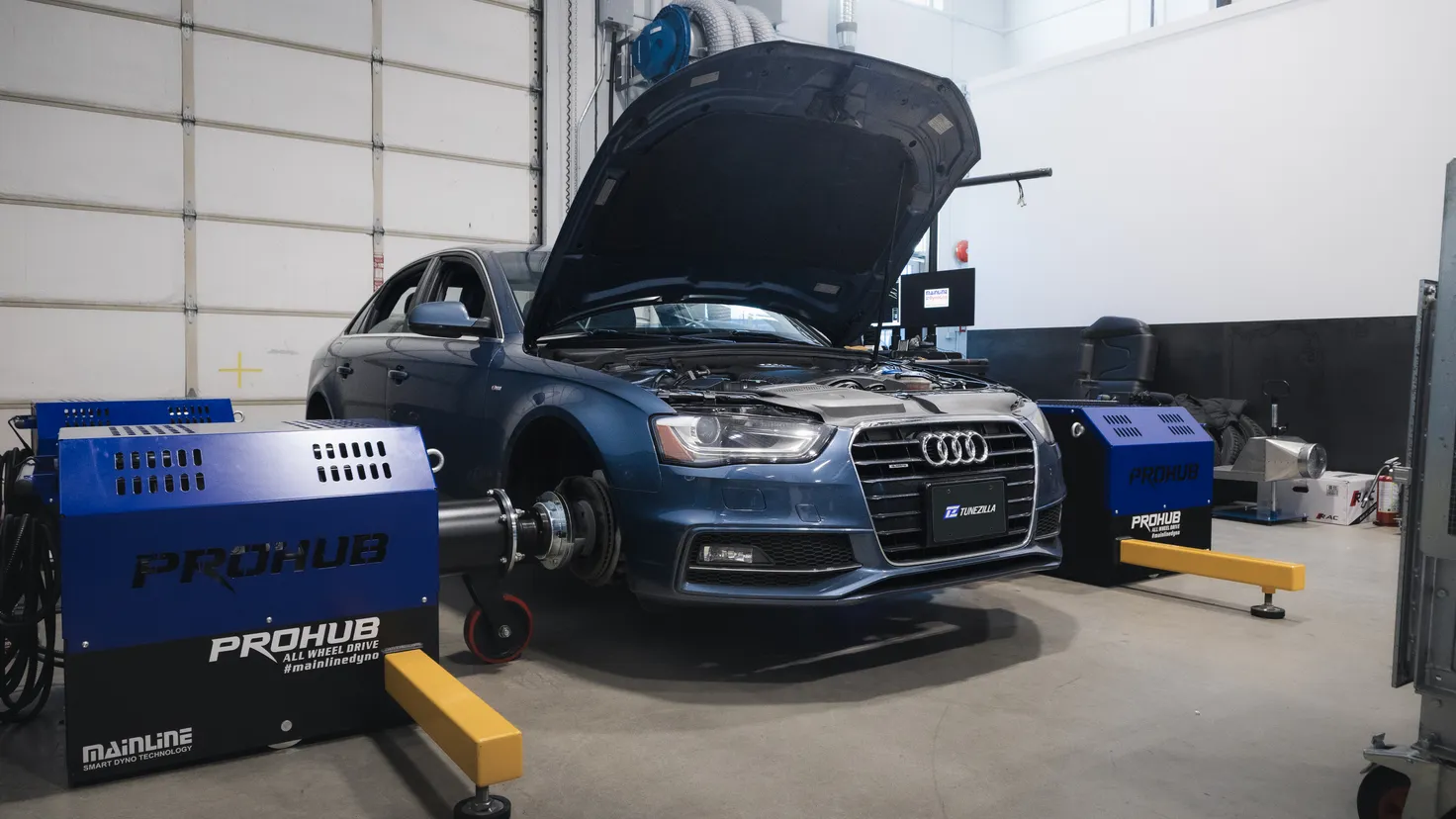
Watching a loyal customer drive away after a great service visit and never return is one of the most common revenue leaks in the auto repair industry. Automotive Repair Apps designed for customer retention help shops automate follow-ups, track service history, and send timely reminders that bring drivers back before they forget who fixed their car last time. The difference between a shop that grows steadily and one that constantly chases new customers often comes down to how well it stays in touch with the people it already serves.
Support Lane was built specifically for repair shops that want to reduce no-shows, increase repeat visits, and stop relying on manual outreach to keep bays full. The platform handles customer communication automatically, so service advisors can stay focused on the work in front of them rather than chasing down appointments. Shops ready to turn one-time visitors into long-term regulars can get started with Support Lane's shop management software.
Table of Contents
What Are Automotive Customer Retention Tools, and How Do They Work?
Why Are Automotive Customer Retention Tools Important for Auto Shops?
Can Small Independent Auto Shops Benefit From Customer Retention Tools?
7 Best Automotive Customer Retention Tools for Auto Shops
How to Choose the Right Automotive Customer Retention Tool
How Support Lane Helps Auto Shops Improve Customer Retention
Sign up for Your Free Trial to Manage your Auto Shop with Ease Today
Summary
Losing a customer after a successful repair visit is rarely caused by a bad experience. The more common cause is silence. When no follow-up message, maintenance reminder, or personalized outreach follows a service visit, customer satisfaction fades into indifference, and indifference is easy for a nearby competitor to fill. Structured, automated communication tied to each customer's vehicle and service history is what interrupts that pattern.
The financial case for retention is hard to ignore. According to Demand Local's 2025 analysis, it costs five times as much to acquire a new customer as to retain an existing one, and a 5% increase in customer retention can increase profits by 25% to 95%. That range reflects how dramatically lifetime value compounds as customers return over the years of vehicle ownership for routine maintenance, seasonal services, and unexpected repairs.
Automated service reminders have measurable power to recover lapsed customers. Research cited by BizzyCar found that automated reminders can bring back up to 30% of customers who had stopped returning, meaning nearly one in three lapsed relationships can be re-engaged with the right message at the right moment. That represents meaningful revenue recovery from customers a shop has already paid to acquire.
Small independent shops are often more vulnerable to customer drift than their size might suggest. A Cox Automotive study reported in November 2025 found that only 54% of drivers with cars two years old or newer returned to their original dealership for service, down from 72% in 2023. Independent shops are capturing some of that shift, but a first visit without a reliable follow-up process is not the same as a retained customer.
Billing transparency plays a larger role in repeat business than most shops account for. When a customer receives an invoice that differs unexpectedly from their approved estimate, the resulting distrust affects future appointment decisions and referral behavior. Clear, itemized estimates that convert cleanly to invoices give customers confidence before they hand over their keys, and that confidence tends to carry into future visits and additional approved work.
Fragmented tools are often the structural reason retention efforts fall short. When vehicle history, service records, appointment data, and customer communication live in separate systems, sending a relevant, timely message to the right customer becomes a research project rather than a routine task. Shop management software addresses this by keeping job tracking, customer records, service history, and automated reminders inside a single connected platform, so follow-up becomes a natural output of daily operations rather than a separate initiative someone has to remember to run.
What Are Automotive Customer Retention Tools, and How Do They Work?

Automotive customer retention tools are powerful software systems that help repair shops maintain strong customer relationships after service visits. They collect vehicle data, service history, and customer preferences, then send timely outreach, personalized reminders, and loyalty incentives to bring drivers back.
"Automotive customer retention tools transform one-time service visits into long-term customer relationships by combining vehicle data, service history, and personalized outreach into a single, automated system." — Industry Definition
Example: A shop uses a retention tool to automatically send a personalized oil change reminder to a customer 90 days after their last visit — complete with their vehicle make, model, and mileage — making the outreach feel tailored, not generic.
Takeaway: These tools don't just store data — they actively turn that data into revenue-driving actions by keeping your shop top-of-mind at exactly the right moment.
Core Component
Vehicle Data Collection
Tracks make, model, mileage, and service needs
Service History Tracking
Logs every past visit and repair for personalized follow-up
Customer Preferences
Stores communication and scheduling preferences
Automated Outreach
Sends timely reminders and promotional messages
Loyalty Incentives
Delivers rewards and offers to encourage repeat visits
Why does silence cause customers to leave in the first place?
The failure point is usually not a bad experience but silence. A customer leaves satisfied, then nothing happens: no follow-up text, no reminder when their next oil change is due, no acknowledgment until they need you again and Google the nearest shop instead. Retention tools interrupt that silence with structured, automated communication tied directly to each customer's vehicle and service record.
How do manual processes break down as a shop grows?
Most shops handle this manually, if at all. An advisor might note a customer who declined a brake inspection, or a service manager might pull a monthly report to identify who hasn't returned. This works with ten customers but fails at three hundred. The hidden cost is customers drifting to competitors while your team focuses on cars in the bays.
How do automotive customer retention tools work inside a unified platform?
Shop management software built on a unified platform changes this, as the retention layer is not a separate tool added afterward. When job tracking, customer records, service history, and online booking are all in the same system, our Support Lane platform automatically generates reminders and follow-ups from the data your team already creates. You are not running a retention program. You are running your shop, and retention results from organized operations.
What the data actually shows
According to BizzyCar, automated service reminders can recover up to 30% of lapsed customers. According to Demand Local, a 5% increase in customer retention can boost profits by 25% to 95%. Investing in customer retention is among the highest-return investments a shop can make.
The tools include CRM platforms, automated reminder engines, digital inspection reports, loyalty programs, and predictive analytics. Their power emerges when they share data rather than operate separately: a reminder tied to a specific vehicle, declined service, and customer name becomes a conversation worth having.
Related Reading
Why Are Automotive Customer Retention Tools Important for Auto Shops?
Retention tools matter because losing a customer costs far more than keeping one. According to Demand Local's 2025 customer retention research, it costs five times more to acquire a new customer than to retain an existing one. Every lost relationship drains your marketing budget while your competitor quietly benefits. The shops that grow steadily are the ones with the best memory.
"It costs five times more to acquire a new customer than to retain an existing one." — Demand Local, 2025
Takeaway: If your shop is constantly chasing new customers without a retention strategy, you're spending 5x more than you need to — and handing your competitors a built-in advantage.
Tip: Automotive customer retention tools — like automated reminders, loyalty programs, and follow-up systems — are not optional extras. They are the single most cost-effective investment your shop can make to protect long-term revenue.
Customer Action: Retaining an existing customer
Cost to Your Shop: Baseline costCustomer Action: Acquiring a brand-new customer
Cost to Your Shop: 5x the baseline cost
Warning: Shops that rely solely on walk-ins and word-of-mouth without active retention tools are at serious risk of losing their most valuable asset — their existing customer base.
What happens when follow-up falls through the cracks
The failure point is usually not a bad repair, but the silence that follows. A customer drives away satisfied, yet without a service reminder, maintenance alert, or personalized follow-up tied to their vehicle, that satisfaction fades. A competitor can book the next appointment in that gap.
Why do manual outreach methods fail as automotive customer retention tools?
Most shops handle outreach through spreadsheets, sticky notes, and bulk emails. This works with fifty regular customers. Once you exceed a few hundred, the system breaks down because nothing connects the right message to the right person at the right moment. Personalized outreach requires context, and context requires organized data—something fragmented tools cannot provide.
How does shop management software turn retention into a repeatable process?
Shop management software keeps customer records, vehicle history, and service timelines in one place, making follow-up a natural part of the workflow rather than a separate task. Our Support Lane platform tracks oil change intervals and flags declined inspections from months prior. Retention becomes less about campaigns and more about process.
Why do the financial stakes keep rising
Demand Local's 2025 analysis shows that increasing customer retention rates by five percent can increase profits by twenty-five to ninety-five percent. This range reflects how lifetime value compounds as customers return for routine maintenance, seasonal services, and unexpected repairs over the years of vehicle ownership. Retained customers generate ongoing revenue and referrals.
How do automotive customer retention tools create predictable revenue?
Shops that treat customer retention as a separate project tend to underfund it until revenue drops become impossible to ignore. The better approach is to build customer retention into daily operations through customer communication tools, appointment reminders, and continuous tracking of service history. That consistency separates shops with predictable monthly revenue from those dependent on walk-in traffic.
These tools work differently depending on shop size and structure.
Can Small Independent Auto Shops Benefit From Customer Retention Tools?
Small independent shops benefit from customer retention tools more than most owners expect. According to Demand Local's 2025 analysis of dealership retention statistics, a 5% increase in customer retention can increase profits by 25% to 95%—a significant range when margins are measured in hundreds of dollars. For shops running on tight cycles and limited staff, that compounding return requires no marketing department to capture.
"A 5% increase in customer retention can increase profits by 25% to 95%—a range that transforms small loyalty gains into major bottom-line impact for independent auto shops." — Demand Local, 2025
Takeaway: You don't need a big-budget marketing team to see real financial gains—retention-focused tools do the heavy lifting, even in a lean, owner-operated shop.
Tip: Even capturing one or two returning customers per week can compound into thousands of dollars in additional annual revenue when your profit margins are measured per job.
Retention Increase
5% improvement
Limited staff required
Tight shop cycles
Potential Profit Boost
25% – 95% profit increase
No dedicated marketing team needed
Compounding return over time
Why size works in your favor here
Smaller shops have a structural advantage: they know their customers by name, vehicle, and habit. The gap isn't relationship quality—it's consistency. A loyal customer who receives one oil change reminder after twelve months of silence won't be retained. Our shop management software automates the tasks a great service advisor performs manually, ensuring consistent outreach to every customer.
Why does fragmentation undermine automotive customer retention tools?
The failure point is usually fragmentation. Most independent shops track vehicles in one place, invoices in another, and appointment history in a notebook or spreadsheet only one person understands. When information lives in separate systems, sending a targeted reminder to the customer whose brake inspection was declined six weeks ago becomes a research project. Shops that consolidate job tracking, service history, and customer communication into a single platform, such as Support Lane's shop management software, find that retention becomes a natural outcome of daily operations.
What the numbers reveal about independent shop vulnerability
Research from Cox Automotive, reported by Car Dealership Guy News in November 2025, found that only 54% of people with cars two years old or newer returned to their original dealership for service, down from 72% in 2023. Independent shops are capturing some of those customers, but a first visit isn't the same as building loyalty. Without systems that track service intervals, flag declined repairs, and send timely follow-ups, newly won customers migrate to competitors with better follow-through.
Why do automotive customer retention tools work for small shops?
Retention tools work for small shops because they replace labor-intensive manual processes with reliable background systems. A customer who booked online, received a digital inspection report, and got a timely service reminder feels taken care of, even in a four-bay shop with two technicians. That feeling of being remembered drives repeat visits and referrals without adding payroll.
Related Reading
7 Best Automotive Customer Retention Tools for Auto Shops
The best automotive customer retention tools help auto shops stay connected with customers through automated maintenance reminders, personalized follow-ups, online scheduling, digital inspections, review requests, and customer relationship management (CRM). Together, these features dramatically reduce customer churn, increase repeat visits, and create predictable recurring revenue.
"The best automotive customer retention tools combine automated reminders, digital inspections, and CRM into a single system — turning one-time visitors into loyal, returning customers."
Retention Feature
Automated Maintenance Reminders
Keeps customers returning on schedulePersonalized Follow-Ups
Builds trust and long-term loyaltyOnline Scheduling
Reduces friction and missed appointmentsDigital Inspections
Increases transparency and upsell opportunitiesReview Requests
Boosts reputation and attracts new customersCRM Integration
Centralizes customer data for smarter outreach
Tip: The most effective shops don't rely on just one of these features — they use all six in combination to build a seamless customer experience that keeps clients coming back.
Takeaway: Customer retention is not just about great service — it's about having the right tools in place to maintain relationships, reduce churn, and drive predictable recurring revenue long after a vehicle leaves the bay.
1. Support Lane
Support Lane is a shop management platform for independent auto repair businesses that consolidates job tracking, customer communications, and service processes. It reduces customer churn, lowers new customer acquisition costs, and generates predictable repeat revenue through proactive engagement and transparent workflows. By maintaining complete customer and vehicle histories while automating key touchpoints, the platform addresses lost regulars, inconsistent cash flow, and manual follow-up burdens.
Key Features for Customer Retention
Kanban board view with drag-and-drop functionality between customizable, color-coded pipeline stages to prevent service gaps.
Multiple pipelines per location with step-level actions that automate job status updates and trigger follow-ups.
Customer management with scoped notes and full vehicle history enables personalized service recommendations.
VIN decode that autofills vehicle information and supports mileage logs for maintenance reminders.
Online booking calendar where customers select services with automatic availability calculation and staff approval.
Automated 24-hour appointment reminders reduce no-shows and keep schedules full.
Integrated invoicing and estimates built from job services with easy conversion and PDF delivery.
Support Lane Chat for two-way email and SMS messaging that keeps conversations centralized.
Customer-facing hosted website with editable services, about page, and contact form.
Global search across jobs, customers, vehicles, and invoices for instant access to history.
Service templates library for common bookable jobs to encourage repeat scheduling.
Payment tracking for deposits, refunds, and online payment links.
Pros
An all-in-one platform reduces tool switching and administrative burden.
Customizable pipelines and automations ensure consistent follow-up, converting one-time visitors into loyal clients.
Transparent job tracking and invoicing build trust and increase approval rates for recommended services.
Online booking and reminders minimize missed appointments while filling bays with repeat business.
Centralized chat and customer notes support personalized engagement that combats churn.
A hosted website enhances credibility and makes it easier for past customers to return.
Scalable for single- or multi-location shops without complex enterprise overhead.
Cons
Some advanced features are in the planning stages.
Accessibility
Support Lane is a cloud-based platform accessible via web browsers on desktop and mobile devices. Its intuitive Kanban and calendar views suit busy shop owners and technicians, offering quick searches and real-time updates without requiring advanced technical skills.
2. AutoLeap
AutoLeap serves as a robust CRM and operations platform tailored for growth-oriented auto shops, excelling in retention automation that re-engages lapsed customers and streamlines service reminders to combat revenue gaps.
Key Features
Deep CRM automation for personalized customer campaigns.
Service reminder sequences triggered by mileage or dates.
Digital vehicle inspections with photo and video documentation.
Online booking and payment integration.
Lapsed customer reactivation workflows.
Review request automation post-service.
Multi-location support for expanding shops.
Pros
Strong focus on retention and growth; user-friendly for busy advisors; integrates well with existing systems.
Cons
Marketing features often require add-ons; annual contracts are in some plans.
Accessibility
Web and mobile access with intuitive interfaces designed for independent repair shops.
3. Shopmonkey
Shopmonkey delivers powerful two-way communication tools and workflow management that keep customers engaged through timely updates and transparent service experiences.
Key Features
Two-way text messaging for direct customer conversations.
Automated service reminders and thank-you messages.
Review generation automation.
Real-time job status updates.
Integrated scheduling and inventory.
Performance analytics for retention tracking.
Pros
Excellent communication layer; boosts trust and repeat visits; scalable for growing teams.
Cons
Learning curve for full feature set; higher pricing for larger operations.
Accessibility
Modern cloud platform with mobile apps for technicians and owners.
4. Tekmetric
Tekmetric provides advanced shop management with built-in retention capabilities, focusing on data-driven insights that help shops maintain strong customer relationships and steady bay utilization.
Key Features
Comprehensive CRM dashboard with service history.
Mileage-triggered reminder sequences.
Automated review and feedback requests.
Vehicle health scoring for proactive recommendations.
Multi-location standardization tools.
Extensive integrations with other systems.
Detailed reporting on customer retention metrics.
Pros
Strong analytics and customization effectively support multi-shop operations.
Cons
Can feel feature-heavy for very small teams; it requires commitment to maximize value.
Accessibility
Cloud-based with robust mobile support and user-friendly design.
5. Shop-Ware
Shop-Ware emphasizes transparent digital processes and customer portals that build lasting trust and encourage repeat business through clear communication.
Key Features
Advanced digital vehicle inspection tools.
Customer self-service portals for viewing reports.
Automated follow-up and reminder systems.
Transparent pricing and estimate sharing.
Review and reputation management.
Workflow optimization for faster service.
Data insights for retention strategies.
Pros
Excellent for building customer confidence; strong transparency features reduce disputes.
Cons
Higher entry pricing; best suited for shops ready for digital transformation.
Accessibility
Intuitive platform with excellent mobile and desktop experiences.
6. Kukui
Kukui functions as a dedicated marketing and retention platform for auto repair shops, specializing in automated campaigns that maintain customer engagement and drive repeat visits to counter churn and inconsistent revenue. It pulls vehicle data to deliver timely, relevant messages that address forgotten maintenance and lapsed relationships.
Key Features
Mileage and calendar-based maintenance reminders via email and text.
Lapsed customer reactivation campaigns with special offers.
Post-service automated review request sequences.
Loyalty points program for rewarding repeat business.
Google Business Profile optimization for local visibility.
Customer communication templates and segmentation.
Performance tracking for campaign ROI on retention.
Pros
Focused purely on marketing and retention; minimal internal effort required; proven increases in repeat visit frequency.
Cons
Works best alongside a core shop management system; subscription costs scale with the number of modules.
Accessibility
Cloud-based with easy integration to major shop platforms; user-friendly for non-technical owners.
7. AutoVitals
AutoVitals offers a complete customer engagement solution with a strong emphasis on digital inspections and automated communications that rebuild trust and encourage ongoing loyalty for independent shops facing challenges with approval rates and repeat business. (from earlier context)
Key Features
Digital vehicle inspection with photo documentation.
Automated service reminders and marketing campaigns.
Review collection and reputation management tools.
Email and text campaign manager with segmentation.
Customer portal for transparent service history.
Post-visit thank-you and feedback automation.
Analytics dashboard showing retention trends.
Pros
Builds immediate trust through visuals; boosts weekly revenue through better engagement; all-in-one customer focus.
Cons
Requires consistent use of inspections to achieve full benefit; integration depth varies with existing systems.
Accessibility
Web and mobile access are designed for shop teams with straightforward setup.
How to Choose the Right Automotive Customer Retention Tool

The right automotive customer retention tool should build lasting customer relationships, make operations easier, and generate repeat business. Evaluating a platform based on features that directly impact customer loyalty ensures your investment delivers measurable results.
"The right retention tool doesn't just manage customers — it builds loyalty, streamlines operations, and drives repeat business that compounds over time." — Automotive Retention Best Practices
Key Point: Not all retention platforms are created equal — the features you prioritize will determine whether your tool becomes a genuine growth engine or just another underused software subscription.
Evaluation Criteria
Customer Relationship Building
What to Look For: Automated follow-ups, personalized outreach
Why It Matters: Drives long-term loyalty
Operational Ease
What to Look For: Intuitive dashboard, CRM integrations
Why It Matters: Saves time and resources
Repeat Business Generation
What to Look For: Service reminders, loyalty rewards
Why It Matters: Increases revenue per customer
Measurable Results
What to Look For: Analytics, ROI tracking
Why It Matters: Proves investment value
Warning: Choosing a tool based on price alone — without evaluating its core retention features — is one of the most common and costly mistakes dealerships make. Always assess measurable impact on customer loyalty before committing.
Tip: Before signing any contract, always request a demo that specifically showcases customer loyalty workflows and repeat business reporting — these are the true indicators of a platform's retention power.
Assess Your Shop’s Specific Pain Points and Goals
Identify your shop's key problems: customer attrition, missed maintenance opportunities, or poor retention. Document your top goals—automating service reminders, increasing reviews, or tracking customer lifetime value. Base your choice on business metrics like retention rates and visit frequency, ensuring the tool addresses your most significant revenue challenges.
Evaluate Integration with Existing Shop Systems
The best tools integrate smoothly with your current shop management software, accounting systems, and scheduling calendars to eliminate duplicate data entry and workflow interruptions. Look for connections that automatically pull vehicle histories, service records, and customer details so reminders and campaigns use accurate information. Our Support Lane integrations eliminate manual updates that lead to errors, allowing your team to focus on repairs rather than administrative tasks.
Review Core Features for Retention Effectiveness
Focus on platforms that offer automatic service reminders based on vehicle mileage or service due dates, personalized messages to re-engage inactive customers, digital inspection sharing so customers can see their vehicle's condition, and loyalty or rewards tracking. Look for built-in tools that measure message open rates, appointment bookings from reminders, and customer retention frequency. These features help you stay in touch with customers meaningfully and increase acceptance of recommended work.
Consider Ease of Use and Team Adoption
Choose tools with easy-to-use dashboards, mobile access for technicians on the floor, and simple setup processes requiring minimal training or IT support. Test the user interface during demos to ensure advisors and owners can quickly create campaigns, review customer histories, and check results. High adoption rates matter because even the most powerful platform fails if your team doesn't use it—prioritize solutions designed for independent shops over those burdened by enterprise complexity.
Analyze Pricing, Scalability, and Total Value
Look at the full cost structure, including setup charges, add-on modules for advanced automation, and possible savings from increased retention. Choose options that grow with your shop—starting at an affordable price for single-location operations while supporting multi-bay or multi-location needs later. Calculate ROI by estimating recovered revenue from higher repeat visits against tool cost, ensuring the investment pays for itself through reduced acquisition spending and more predictable bay utilization.
Check Customer Support and Implementation Resources
Reliable vendors provide quick support, clear onboarding guidance, and ongoing training resources designed for auto repair workflows. Review case studies or testimonials from similar-sized independent shops to confirm real-world success in reducing churn and boosting loyalty. Strong support minimizes downtime during the transition and helps you maximize the tool's retention features from day one.
Test Through Demos and Trial Periods
Set up hands-on demonstrations with the platforms you're considering. Use free trial periods to test real situations, such as creating a service reminder campaign or importing sample customer data. Gather your team's feedback on daily usability and measure early results, such as engagement rates for test messages. This confirms the tool works for your shop and delivers the promised customer loyalty benefits before you commit long-term.
How Support Lane Helps Auto Shops Improve Customer Retention

Most independent shops already have everything they need to keep customers coming back — but the critical information is spread across three systems, two notebooks, and a memory that gets tested every busy Saturday.
Tip: Support Lane consolidates your customer history, service records, and follow-up reminders into one place — so your team never drops the ball on retention opportunities.
"The biggest threat to customer retention in independent auto shops isn't competition — it's fragmentation. When key data lives in multiple places, follow-through becomes nearly impossible." — Support Lane
Key Point: Centralizing customer data is the single most impactful step an independent shop can take to improve retention, reduce lost revenue, and build long-term loyalty.
Challenge
Without Support Lane: Customer history
Spread across multiple systemsWith Support Lane: Customer history
Unified in one dashboardWithout Support Lane: Follow-up reminders
Tracked in notebooks or memoryWith Support Lane: Follow-up reminders
Automated and reliableWithout Support Lane: Busy Saturday coverage
Critical details get missedWith Support Lane: Busy Saturday coverage
Every customer accounted for
Centralized Records Turn History Into Revenue
A customer mentions transmission slipping during a brake job; your advisor makes a mental note, and six weeks later, that note is gone—the customer is at a competitor. Complete, searchable vehicle and service histories prevent this. When every past repair, declined service, and mileage log lives in one place, advisors stop guessing and start having conversations that feel personal.
According to Demand Local's 2025 customer retention research, dealerships that follow up with customers after service visits see up to 30% higher retention rates. Follow-ups must be relevant: a reminder tied to the exact mileage interval for a deferred service moves customers far more than generic "we miss you" messages.
When Booking Removes Friction, Loyalty Follows
Most shops rely on verbal reminders and handwritten cards to rebook customers, methods that fail when life gets busy. Online booking integrated into a shop's website removes this friction. When clients can rebook at 10 pm on their phones, the shop stays top of mind without extra effort.
Shop management software like Support Lane integrates online booking, service history, and automated reminders into a single platform, enabling automatic follow-up. Retention becomes a byproduct of the workflow itself rather than a separate campaign requiring manual execution.
Transparent Invoicing Builds the Trust That Keeps People Coming Back
Billing surprises destroy trust faster than almost anything else in retail, healthcare, and auto repair. A customer who approves a $300 estimate and receives a $420 invoice without a clear explanation feels deceived. Professional estimates that convert cleanly to invoices, with visible line items and electronic delivery, give customers confidence before they commit. Customers who trust the billing process approve additional work more readily, return for future services, and refer friends.
Why do automotive customer retention tools make transparent billing so profitable?
According to Demand Local, a 5% increase in customer retention can increase profits by 25% to 95%. Retained customers spend more over time, cost nothing to reacquire, and generate referrals. Each clear invoice strengthens this effect.
Sign up for Your Free Trial to Manage your Auto Shop with Ease Today
Support Lane brings scheduling, customer records, service history, estimates, invoicing, and job tracking into one platform so your team stops switching between disconnected tools and starts delivering a consistent experience every customer can feel.
"Shops that consolidate their tools into one connected platform eliminate the friction that costs them repeat customers — and the revenue that comes with them."
Feature: Scheduling
What It Solves: Eliminates double-bookings and missed appointments
Feature: Customer Records
What It Solves: Keeps every client's history in one place
Feature: Service History
What It Solves: Builds trust through transparency
Feature: Estimates & Invoicing
What It Solves: Speeds up approvals and payments
Feature: Job Tracking
What It Solves: Keeps your team aligned on every vehicle
Key Point: One connected platform means your team spends less time managing tools and more time delivering the professional experience that keeps customers coming back.
Tip: The fastest way to reduce front-desk chaos is to consolidate scheduling, records, and invoicing into a single system — exactly what Support Lane is built to do.
Shops that grow recurring revenue are the ones where every customer interaction feels organized, professional, and easy to return to. Visit Support Lane and request a demo to see how one connected system can do that for your shop.
Best Practice: Don't wait for customer churn to signal a problem. A free demo is the fastest way to see whether your current setup is costing you repeat business.
Warning: Shops running on disconnected tools risk delivering an inconsistent experience that sends customers to competitors who feel more organized and easier to work with.
Related Reading
Fullbay Competitors
Fullbay Vs Shopmonkey
Shopware Competitors
Autoleap Vs Tekmetric
Mitchell 1 Vs Alldata
Ready to modernize your shop?
Join the independent auto repair shops already using Support Lane to manage their jobs, customers, and invoices in one place.