How to Run a Successful Auto Repair Shop: 12 Best Practices

Running an auto repair shop gets complicated fast. Missed appointments, lost invoices, and overwhelmed staff can quietly erode profit margins before an owner even spots the pattern. Most of these problems share a common fix: better systems and clearer processes that keep the whole operation moving without constant intervention.
Automotive repair apps have made it easier than ever to bring scheduling, communication, and invoicing under one roof. Shops that adopt the right tools tend to retain more customers, reduce administrative waste, and scale without proportional increases in overhead. For owners ready to build that kind of operation, shop management software from Support Lane offers a practical starting point.
Table of Contents
Why Is Running an Auto Repair Shop More Challenging Than Ever?
What Skills and Experience Do You Need to Run a Successful Auto Repair Shop?
How Profitable Is An Auto Repair Shop?
How to Run a Successful Auto Repair Shop: 12 Best Practices
How Support Lane Helps You Run a Successful Auto Repair Shop
Sign up for Your Free Trial to Manage your Auto Shop with Ease Today
Summary
Parts costs have increased by as much as 20% over the past two years, compressing margins as customers push back on repair bills. Shops running on disconnected spreadsheets and paperwork orders absorb these inefficiencies in ways that are often invisible until the financial damage is already done. The hidden cost is not just wasted time, but the revenue that leaks through the cracks when vehicle history lives on a sticky note and follow-up reminders are never sent.
Technician recruitment and retention are the top challenge for 76% of shop owners, according to Service Intel, and the pressure behind that number is structural. Retirements are outpacing new program graduates, and the vehicles coming into bays now require scan tools, software subscriptions, and certified training that did not exist a decade ago. Every hour a skilled technician spends waiting on a misplaced work order or hunting for a customer's repair history is an hour that could have been spent on billable work.
Customer expectations have shifted in a direction that makes informal shop systems a liability. Drivers arrive with pricing research already done, and when the invoice feels disconnected from what they found online, the response is distrust rather than curiosity. Shops that can walk a customer through an estimate line by line, with clear language about labor and parts, retain clients at premium rates and hold onto the referral networks those relationships generate.
Labor costs typically account for 30 to 35% of auto repair shop revenue, which means scheduling gaps, idle bays, and unbilled hours hit the bottom line directly and immediately. Profitable shops treat labor costs as a percentage of revenue, using it as a live metric rather than an annual surprise on a tax return. The owners who understand this shift their focus from individual jobs to throughput, average repair order value, and the efficiency with which the shop converts available bay hours into billed hours.
The average well-run auto repair shop generates around $1,000,000 in annual revenue with a net profit margin near 20%, according to ProjectionHub, producing roughly $200,000 in profit for disciplined operators. Those figures are not reserved for shops in high-income markets. They reflect what becomes possible when an owner treats the business as a system, with consistent pricing strategy, controlled overhead, and a customer retention model that turns first-time visitors into recurring maintenance relationships.
Support Lane shop management software addresses this directly by consolidating job tracking, scheduling, invoicing, customer history, and two-way messaging into a single workflow, so independent shop owners spend less time reconstructing what happened across disconnected tools and more time running the operation that generates the margin.
Why Is Running an Auto Repair Shop More Challenging Than Ever?
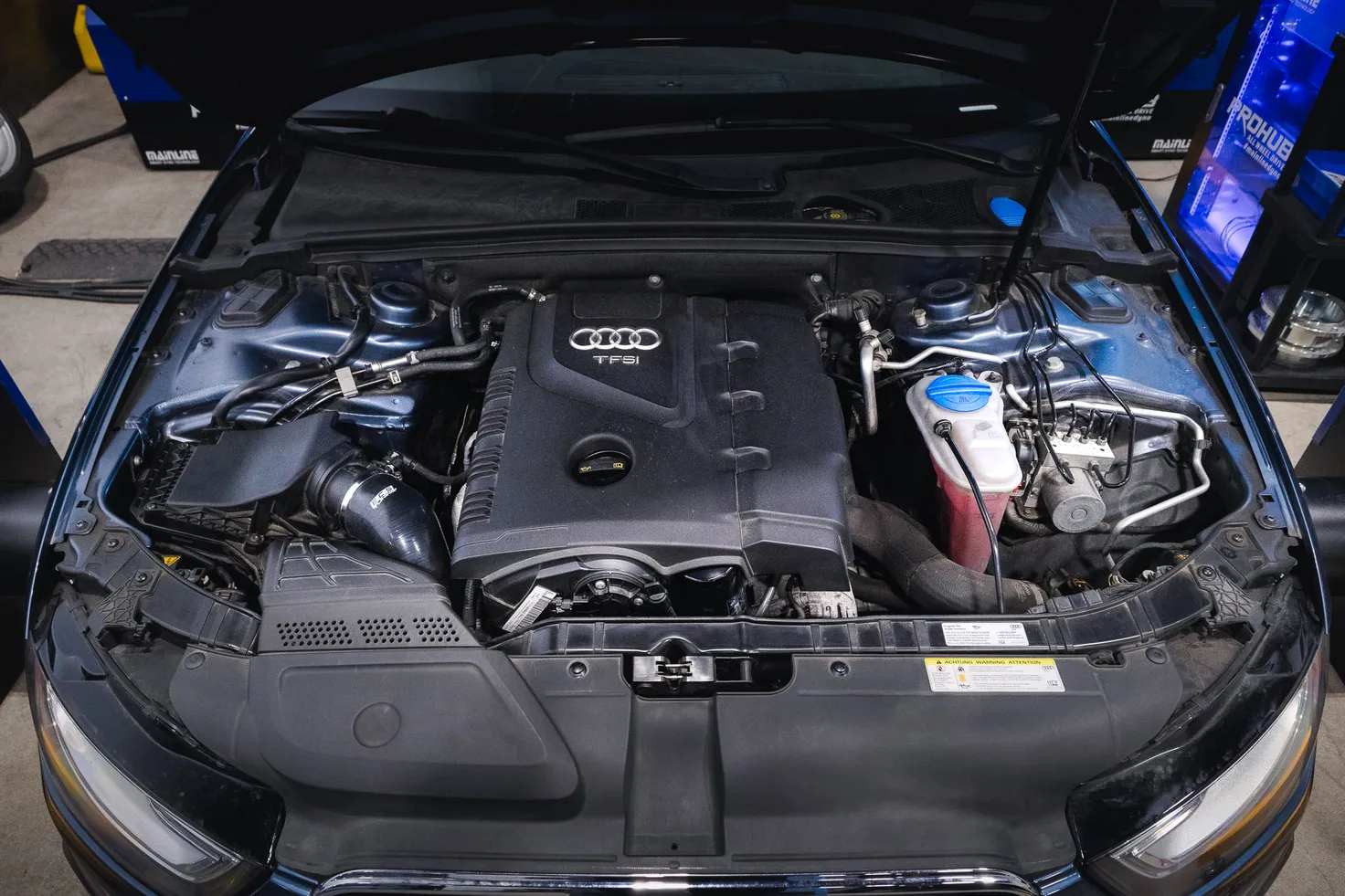
Running an independent auto repair shop has never been easy, but the gap between just getting by and doing really well has widened significantly. The problems that shop owners face today add up fast.
"The gap between struggling shops and thriving shops is wider today than it has ever been — and the challenges facing independent owners are compounding faster than most can adapt." — Industry Insight
Tip: Understanding exactly which modern pressures are stacking against your shop is the first step toward building a strategy that actually works.
Warning: Shop owners who treat today's challenges as temporary setbacks risk falling permanently behind competitors who adapt quickly.
Rising parts & labor costs: Erodes profit margins, making it harder to stay competitive while remaining profitable.
Technician shortages: Constrains service capacity, leading to longer lead times and stunted business growth.
Customer expectations: Forces a transition toward instant communication and digital transparency to maintain loyalty.
Technology complexity: Necessitates ongoing investment in specialized diagnostic tools and staff training just to keep pace.
Takeaway: The modern auto repair landscape rewards shops that proactively address these compounding pressures — those that don't risk being left entirely behind.
Why is the cost squeeze so relentless for auto repair shops?
According to Service Intel's Top Auto Shop Challenges in 2025, parts costs have risen as much as 20% over the last two years, squeezing shop profits while customers resist higher repair bills. Rent, insurance, and diagnostic equipment costs continue regardless of supply chain delays. Shops relying on disconnected spreadsheets and paperwork orders lose efficiency in ways that remain invisible until profits decline.
How does running a successful auto repair shop depend on consolidating your tools?
Most shop owners manage scheduling, invoicing, and customer follow-up using separate tools. Businesses lose money when vehicle histories are kept on sticky notes or when customers miss follow-up reminders due to time constraints. Shop management software like Support Lane consolidates these functions into one platform, replacing reactive, owner-driven work with systematic processes.
Why is finding and keeping good technicians getting harder?
The labor shortage is real. Service Intel reports that 76% of shop owners cite technician recruitment and retention as their top challenge. Retirements are outpacing new program graduates, and younger workers entering the trades face steep learning curves on vehicles packed with ADAS systems, high-voltage components, and proprietary software. Every hour a skilled technician spends locating a misplaced work order or searching for customer repair history is an hour lost to billable work.
How does advanced vehicle technology raise the stakes for running a successful auto repair shop?
Advanced vehicle technology increases repair complexity. A shop that once handled most repairs with hand tools now needs scan tools, software subscriptions, and certified training to stay competitive on newer vehicles. That investment only pays off when the rest of the operation runs smoothly enough to support it.
Customer expectations have shifted permanently
Drivers arrive after pricing research with little patience. They want clear estimates, quick responses, and a shop that knows their car. When they feel unsure or ignored, they don't complain—they book elsewhere and leave a review. Building loyalty means delivering consistent service from the first phone call to the final invoice, which becomes impossible when customer information is scattered across three systems.
The skills required to build that kind of shop extend far beyond what most owners anticipated when they first picked up a wrench.
Related Reading
What Skills and Experience Do You Need to Run a Successful Auto Repair Shop?

Running a successful auto repair shop requires far more than technical expertise alone. While mechanical skills are essential, true growth and profitability depend on managing finances, leading staff, communicating value, and making sound operational decisions that keep your business moving forward.
"The most successful shop owners aren't just great mechanics — they're business leaders who combine technical mastery with financial acumen, team leadership, and customer communication skills."
Technical / Mechanical Expertise: Serves as the essential bedrock for quality output and earning customer trust.
Financial Management: Dictates the health of your cash flow and long-term viability of the shop.
Staff Leadership: Directly impacts team output and prevents the high costs associated with employee turnover.
Customer Communication: Functions as your primary driver for brand loyalty, word-of-mouth referrals, and repeat service.
Operational Decision-Making: Provides the framework for scaling efficiency and maintaining a competitive edge in a crowded market.
Key Point: Technical skill gets you started — but business acumen is what keeps your shop thriving long-term.
Tip: Invest in leadership and financial training early. The biggest gap most shop owners face isn't mechanical knowledge — it's business management skills.
The financial reality most owners underestimate
According to Tekmetric, labor costs typically represent 30 to 35 percent of auto repair shop revenue. Every scheduling gap, empty work bay, and early clock-out directly reduces profits. Mastering labor utilization tracking, parts profit margins, and service pricing based on actual costs is essential.
Why customer trust is a business system, not a personality trait
A common pattern in shops that lose customers is not bad mechanical work, but the gap between repair costs and what customers believe they should pay. Customers research parts prices and labor rates online before arriving, and when invoices feel disconnected from that research, distrust follows. Shop owners who walk customers through estimates line by line—explaining why labor costs what it does and where parts come from—retain clients even at premium rates. Those who skip this step lose not just the sale, but the referral network that sale would have generated.
How does consistent communication help you run a successful auto repair shop?
Most shop owners handle this communication informally through verbal explanations and handwritten notes. Informal systems are inconsistent, and inconsistency erodes trust. When a customer calls back with a question and the answering staff has no record of what was discussed, the relationship suffers. Platforms like Support Lane keep job notes, estimates, and customer records in one place, so every conversation draws from the full relationship history rather than relying on memory.
ASE certification signals more than competence
To earn ASE certification, you need at least two years of combined work and education experience and then pass difficult exams in specific repair categories. ASE certification gives customers reason to trust your pricing. When a shop displays ASE certification where customers can see it, the conversation shifts from "why does this cost so much?" to "I understand I am paying for verified expertise." This shift directly reduces friction, pushing customers toward DIY alternatives or cheaper competitors.
Leadership is the skill that scales everything else
The failure point in most growing shops is not technical capacity but the owner's ability to build a team that operates consistently without constant supervision. High technician turnover compounds quickly: experienced staff leave, remaining technicians absorb more work, quality drops, and customers notice. Developing clear performance standards, giving technicians visibility into their productivity metrics, and creating a shop culture where people want to stay require deliberate practice. The owner who masters this skill stops being the bottleneck and becomes the architect.
When you add up everything required—financial discipline, customer communication, team leadership, compliance knowledge, and technical credibility—a natural question follows: does all this effort produce a business worth building?
How Profitable Is An Auto Repair Shop?
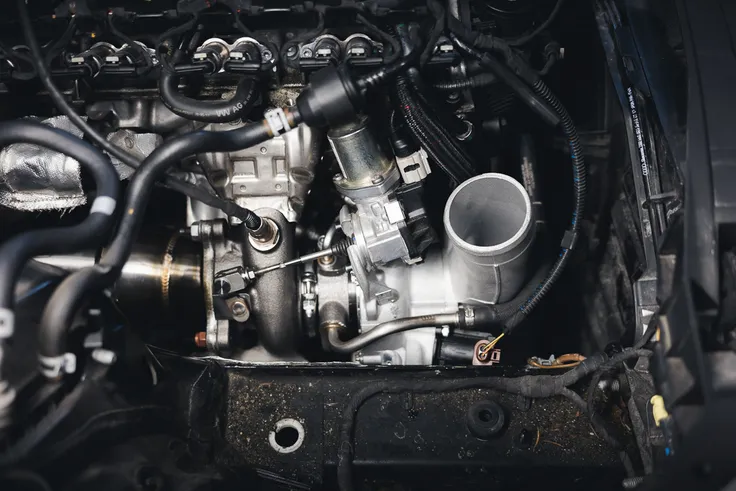
According to ProjectionHub, the average auto repair shop makes about $1,000,000 in sales annually. The profit margin is around 20%, meaning the shop keeps roughly $200,000 in profit when run efficiently. These numbers demonstrate what happens when an owner treats the business as a system, not simply a trade.
"The average auto repair shop generates $1,000,000 in annual sales with a 20% profit margin, keeping roughly $200,000 in profit when operated efficiently." — ProjectionHub
Takeaway: A $200,000 annual profit is achievable for owners who run their shop as a scalable business system, not simply as a skilled technician.
Tip: That 20% margin isn't guaranteed; it reflects shops that actively manage labor costs, parts pricing, and overhead. Knowing your numbers is essential to hitting this benchmark.
Where does an auto repair shop's profit actually come from?
Profit comes from labor margins and parts markups stacking with every repair order. When you charge for a brake job, you capture the spread between technician cost and billable rate, plus the margin between parts cost and retail price. The owner who understands this stops thinking about individual jobs and starts thinking about throughput, average repair order value, and how efficiently the shop converts available bay hours into billed hours.
How does running a successful auto repair shop depend on the right tools?
Most shops handle scheduling and invoicing through paperwork orders, phone calls, and disconnected tools. Processing 15 or 20 repair orders daily, this fragmentation costs profit through missed follow-ups, unbilled labor, and estimates that don't convert to sales. Platforms like Support Lane consolidate scheduling, estimates, invoicing, and customer records in one place, so shop management software reduces lost jobs and frees owners from having to track what happened.
What actually separates profitable shops from struggling ones?
The failure point is usually not demand. Drivers keeping vehicles longer because new car prices have crossed $50,000 on average, means repair frequency is climbing. Underperforming shops share a pattern: high revenue that disappears into overhead because no one tracks spending in detail. Profitable shops treat expense categories like labor cost as a percentage of revenue as a live metric, not an annual surprise on a tax return.
How does customer retention shape the way to run a successful auto repair shop?
A shop that converts a first-time customer into a recurring maintenance relationship earns every oil change, tire rotation, and brake inspection that follows, plus referrals from trust built over time. Customer retention transforms a $200,000 profit year into a business with real equity value, because a buyer paying for your shop is paying for your customer base.
Does operational discipline determine whether a shop captures available demand?
The demand is there. The question is whether the owner has built the operational discipline to capture what the market is willing to give.
Related Reading
How to Run a Successful Auto Repair Shop: 12 Best Practices
Running a profitable auto repair shop requires more than just mechanical know-how — it demands great customer service, efficient operations, skilled employees, and smart technology to achieve maximum productivity and keep customers coming back.
"Shops that invest in customer service, operational efficiency, and modern technology consistently outperform competitors and build the loyal customer base that drives long-term profitability." — Auto Repair Industry Best Practices
Tip: The most successful auto repair shops treat customer retention as equally important as technical excellence — because a loyal customer is worth far more than a one-time visit.
Warning: Neglecting any one of the four pillars — customer service, operations, staffing, or technology — can create a bottleneck that limits your shop's entire growth potential.
Customer Service: The primary driver for long-term growth through repeat business and high-quality referrals.
Efficient Operations: Directly impacts the bottom line by minimizing downtime and eliminating costly waste.
Skilled Employees: The backbone of your reputation; ensures work is done right the first time, cementing customer trust.
Smart Technology: A force multiplier that automates tedious tasks, streamlines diagnostic workflows, and drives higher profitability.
Prioritize clean, organized shop layout and workflow
Keep your physical space organized and efficient. Tools should stay in order, parts storage should flow logically, and customer areas should be welcoming. A messy layout slows technicians, increases mistakes, and drives customers elsewhere. Successful owners optimize bay setups, establish clear zones for diagnostics and repairs, and ensure waiting rooms are comfortable with Wi-Fi and clean seating. This boosts productivity and encourages repeat business.
Invest continuously in technician training and certification
Make a commitment to keep learning so your team can master new vehicle technologies, diagnostic tools, and safety protocols for hybrids, EVs, and ADAS systems. Without updated skills, shops face higher comeback rates and lost business on complex repairs. Top performers schedule regular training, support ASE or manufacturer certifications, and pair newer technicians with experienced mentors, resulting in faster diagnostics and higher-quality work.
Implement robust inventory and parts management
Keep parts accurate with real-time catalogs, set reorder points, and build relationships with reliable suppliers to minimize downtime. Poor inventory control leads to stockouts or ties up excess capital in obsolete items. Effective shops organize high-turnover items, use VIN decoding for quick lookups, and negotiate bulk pricing to keep jobs moving smoothly and protect profit margins.
Focus on transparent customer communication
Explain repairs clearly, provide detailed estimates up front, and update customers promptly on status or any delays. Successful shops send timely notifications, walk customers through recommendations with visuals when possible, and follow up after service, turning satisfied clients into vocal advocates who generate referrals.
Leverage modern shop management tools for efficiency
Use systems that streamline scheduling, job tracking, and invoicing while reducing errors. Support Lane offers robust job management with a customizable drag-and-drop Kanban board, stage-specific actions, time tracking, and built-in notes. It enables online customer booking with automatic reminders, customer and vehicle management with VIN decoding, service templates, and simplified invoicing with PDF exports. This helps owners maintain organized workflows across multiple locations.
Maintain strong financial controls and pricing strategies
Keep track of important numbers, such as how much your workers are being used, how much money you make from parts and services, and how much cash is coming in and going out. Check these numbers regularly. If you don't watch these things carefully, shops lose money by charging too little, failing to collect payments from customers, or letting expenses get out of control. Successful owners set clear labor rates based on market rates and their costs, use a system to send bills to customers, keep track of deposits and refunds accurately, and adjust their prices from time to time while explaining why their work is worth the price. This helps them make good money even when business is slower.
Build a consistent marketing and online presence
Build a professional website, ask customers to leave positive reviews, and connect with your local community through targeted outreach and service reminders. Successful shops excel with local search, maintain current service listings, respond to customer questions promptly, and run seasonal promotions. These steps attract more customers beyond foot traffic alone.
Emphasize preventive maintenance programs
Tell customers in advance about services they should get regularly, such as oil changes, tire rotations, and inspections. This helps you identify problems early and generates recurring revenue. The best shops create service packages, use mileage records to send personalized reminders, and educate customers about long-term benefits. This builds loyalty and improves workshop efficiency.
Foster a positive team culture and retention
Treat technicians fairly by paying them well, recognizing their work, and soliciting their ideas for shop improvement. This reduces turnover. Strong leaders hold regular team meetings, support technician certifications, and maintain clean, well-equipped workspaces. These practices keep staff motivated and ensure consistent quality work.
Monitor performance with data-driven decisions
Track bay use, job cycle times, customer satisfaction scores, and financial reports to identify bottlenecks and opportunities. Disciplined owners review metrics weekly, adjust staffing or processes as needed, and use insights to improve offerings and adapt quickly to changes in demand or vehicle technology.
Ensure full regulatory compliance and safety standards
Stay up to date with licensing, environmental rules for fluids and waste, insurance coverage, and safety protocols to avoid penalties or shutdowns. Careful owners schedule regular audits, train staff on proper disposal and high-voltage procedures for modern vehicles, maintain thorough records, and secure appropriate garage liability coverage, protecting the business while building customer confidence.
Regularly review your operations and use customer feedback to stay competitive. Conduct periodic reviews of workflows, invest in planned upgrades such as parts integrations or advanced analytics, and improve processes based on real results. This positions your business for long-term resilience and growth.
How Support Lane Helps You Run a Successful Auto Repair Shop
Running an auto repair shop means handling multiple demanding responsibilities at once — repairs, customer communication, scheduling appointments, sending invoices, and managing day-to-day operations. When these tasks are spread across different systems or written on paper, they cause delays, errors, and unnecessary stress. Support Lane brings everything together into one unified platform, helping independent shop owners work more efficiently and grow their business.
"When shop operations are fragmented across paper, spreadsheets, and disconnected tools, inefficiency becomes the norm — not the exception." — Industry Insight
Key Point: Fragmented workflows are one of the highest hidden costs for independent auto repair shops — Support Lane eliminates that problem by centralizing every core function in one place.
Tip: If your shop is still juggling paper schedules, manual invoices, and separate customer logs, you're spending valuable time on admin work that could be fully automated with the right platform.
Appointment Scheduling: Moves from messy logs and phone tag to a centralized, streamlined system.
Customer Communication: Replaces scattered notes with organized, automated messaging.
Invoicing & Payments: Swaps manual paperwork for rapid digital processing.
Operations Management: Transitions from disconnected, error-prone systems to one unified platform.
Best Practice: Independent shop owners who consolidate their operations onto a single platform like Support Lane spend less time on administrative tasks and more time delivering quality repairs and building customer loyalty.
Support Lane Transforms Job Management and Reduces Chaos
Technicians juggle multiple repairs while owners lose visibility into progress, leading to delays and frustrated customers. Support Lane solves this through its intuitive Kanban board view, where owners customize pipelines with color-coded stages and define step-level actions that automatically mark jobs as started, completed, or canceled. Drag-and-drop functionality, filters by assigned owner, per-stage add-job buttons, and per-stage time tracking provide complete oversight. Job notes, archive and restore options, and auto-generated incremental work order numbers eliminate manual tracking errors. The result is faster job completion, fewer bottlenecks, and the ability to handle more volume without added stress: directly addressing technician shortages by maximizing existing team productivity.
Simplifies Appointments and Eliminates Scheduling Headaches
When appointments are missed and scheduling is done by hand, empty bays and lost revenue result. Support Lane provides a full calendar view where owners can create appointments manually or through customer-facing booking forms that automatically calculate availability. Staff select services from a built-in library, and appointments start as pending for approval or rescheduling. Automatic 24-hour reminders reduce no-shows. The system supports multi-location operations, freeing owners from coordinating by phone so they can focus on growth.
Centralizes Customer and Vehicle Management for Stronger Relationships
When customer information is scattered and vehicle histories are forgotten, trust and repeat business suffer. Support Lane consolidates everything in one place with robust customer management tools: organized notes by topic, consistently formatted phone numbers, and complete vehicle lists per customer. Vehicle records decode VINs and auto-populate details, include vehicle-specific notes, track mileage, and link seamlessly to customers. Owners can import existing customer lists effortlessly. The result is personalized service that builds loyalty, faster access to history during customer interactions, and the professional quality that transforms one-time repairs into lifetime customers.
Streamlines Service Templates, Parts, and Invoicing for Accurate Billing
Inconsistent pricing, missing part details, and slow invoicing cut into profits and delay payments. Support Lane lets owners build a library of reusable service templates that include labor, parts, sublets, and fees, with options to mark services as bookable online. The parts catalog automatically populates information from templates or jobs, including name, SKU, and price. Invoicing pulls directly from job services to create estimates or final invoices with individual line tracking, auto-generated numbers, easy edits, conversions, voids, and professional PDF downloads (with DRAFT overlay for estimates). Location-specific taxes handle complex rates precisely. Shops gain faster, error-free billing and consistent pricing that protects profits.
Enhances Payments and Communication to Speed Up Cash Flow
Chasing payments and unclear customer updates create cash flow gaps and dissatisfaction. Support Lane displays exact amounts owed per job and tracks deposits, payments, and refunds. Owners can send customized online payment links for full or partial amounts, with automatic email receipts and refund capabilities. In-person terminals with custom shop-branded wallpapers integrate seamlessly. Built-in Support Lane Chat enables two-way messaging via email or SMS, with all replies appearing in the platform. These features accelerate collections, reduce outstanding balances, and keep customers informed.
Delivers Professional Online Presence and Instant Searchability
Old websites and trouble finding records waste marketing work and time. Support Lane gives each location its own customer website on its own web address or a custom one, with customizable images, descriptions, services, team pages, and a working contact form. Global search lets you search across everything with full-text search and instantly retrieve relevant results for jobs, customers, vehicles, and invoices. This professional front end attracts new customers, while the backend search keeps operations running efficiently.
Visit Support Lane to see how these integrated tools can transform your workflow.
Sign up for Your Free Trial to Manage your Auto Shop with Ease Today
Building operational discipline separates shops that survive from those that grow value year after year. The habits covered throughout this guide — standardized workflows, customer retention, pricing strategy, and bay efficiency — only work consistently when your systems support them without friction. When job records, customer data, invoices, and messages live in separate places, discipline breaks down under daily volume.
"When job records, customer data, invoices, and messages live in separate places, discipline breaks down under daily volume." — Support Lane
Tip: The difference between a shop that survives and one that scales profitably isn't talent — it's the operational systems running behind the scenes every single day.
Support Lane brings these systems together on a single platform built specifically for independent shop owners. Our job tracking, online booking, customer history, invoicing, and two-way messaging connect in a single workflow, so nothing falls through the cracks and your team stops losing time switching between tools. Visit Support Lane and start a free trial to see how much simpler running a profitable shop can be.
Key Point: One platform. Every system connected. Support Lane eliminates the friction that causes operational discipline to break down, so your shop runs consistently at its highest level.
Best Practice: Don't wait until inefficiencies cost you customers. Start your free trial today and experience the difference a unified shop management platform makes from day one.
Related Reading
Fullbay Competitors
Fullbay Vs Shopmonkey
Shopware Competitors
Autoleap Vs Tekmetric
Mitchell 1 Vs Alldata
Ready to modernize your shop?
Join the independent auto repair shops already using Support Lane to manage their jobs, customers, and invoices in one place.