Google Ads for Auto Repair Shops: 12 Tips for Success
Relying on word of mouth and organic foot traffic leaves auto repair shops at the mercy of slow seasons and unpredictable demand. Google Ads solves that by placing a shop directly in front of local drivers at the exact moment they need help. With more customers making fast decisions based on the first results they see, a well-structured paid search campaign can consistently fill a service bay without wasting budget.
Running effective ads is only half the equation. The other half is having a reliable system to handle the leads, appointments, and revenue tracking that follow. Shops looking to turn ad spend into measurable growth can pair their campaigns with Support Lane's shop management software to keep operations running smoothly behind the scenes.
Table of Contents
What Are Google Ads, and Why Are They Important for Auto Repair Shops?
What Makes Google Ads Effective for Local Auto Repair Marketing?
Are Google Ads Worth It for Small Auto Repair Shops?
12 Tips to Create High-Converting Google Ads for Auto Repair Shops
How to Choose the Right Google Ad Format for Your Shop
How Support Lane Simplifies Google Ads Management for Auto Repair Shops
Sign up for Your Free Trial to Manage your Auto Shop with Ease Today
Summary
Google Ads connects auto repair shops with customers at the highest-intent moment possible, when a driver already has a problem and is actively searching for a solution. Research cited in the article shows that 76% of people who search for a local business on their smartphone visit a related business within 24 hours. That window is short, and the shops appearing at the top of those results are the ones running paid campaigns.
The financial case for Google Ads in auto repair is straightforward when campaigns are set up correctly. Businesses average $2 in revenue for every $1 spent on Google Ads, and auto repair shops typically pay between $2 and $10 per click. Given that average repair orders regularly exceed $300 to $500, even a modest conversion rate on incoming clicks produces a meaningful return on ad spend.
Local specificity is the single biggest driver of campaign performance in this category. Local search ads in the automotive sector achieve click-through rates 50% higher than national campaigns, largely because drivers respond to location- and service-specific messaging in ways they never do to generic ads. Tight geographic targeting and neighborhood-level copy consistently outperform broader approaches, regardless of budget size.
Campaign structure matters more than total ad spend. Shops that organize keywords by service type, match ad copy to the specific search, and direct clicks to dedicated landing pages regularly outperform competitors spending significantly more on loosely organized campaigns. Google's Quality Score algorithm rewards relevance and specificity, which lowers cost per click over time and compounds the return on well-built campaigns.
The most common failure point in Google Ads for auto repair shops is not the ad itself but what happens after the click. Slow pages, no online booking option, and phone-only follow-up processes cause shops to lose customers who were already ready to book. Auto service businesses using Google Ads see up to 3x more leads compared to organic search alone, and that volume quickly overwhelms informal systems built around notepads, whiteboards, and scattered tools.
Small shops do not need large budgets to see results from paid search, but they do need operational infrastructure capable of absorbing increased inquiry volume without dropping leads. A focused $500 monthly campaign generating 50 to 250 clicks can produce real booked jobs at a 5% conversion rate, but only when the follow-up process is fast, structured, and consistent rather than dependent on whoever happens to answer the phone.
Support Lane's shop management software addresses this by consolidating online booking, scheduling, customer records, and invoicing into a single platform, so that every lead generated by a Google Ads campaign has a defined landing point and a clear path to a completed repair order.
What Are Google Ads, and Why Are They Important for Auto Repair Shops?
Google Ads puts your auto repair shop directly in front of drivers at the exact moment they need help—when their brake pedal feels soft, their check engine light is on, and they're already reaching for their phone. This active intent, not passive scrolling, is what separates Google Ads from almost every other marketing channel available to independent shops.
"The difference between Google Ads and traditional advertising is intent—your customer isn't being interrupted, they're actively searching for exactly what you offer."
Key Point: Google Ads targets drivers with high purchase intent—people who are already in need, not just browsing. This makes every ad dollar work significantly harder than passive marketing channels like billboards or social media.
Why It Matters for Auto Repair Shops: Unlike passive advertising, Google Ads connects your shop to ready-to-book customers at the most critical moment in their decision—when the problem is urgent, real, and demanding an immediate solution.
Google Ads: Targets active intent for immediate needs; essential for capturing high-conversion traffic like "emergency service" bookings.
Social Media Ads: Targets passive discovery; best for building brand affinity and reaching potential customers before they actively search for a solution.
Billboards: Targets incidental exposure; provides high-volume, hyper-local awareness to reinforce trust and name recognition in a specific geography.
Email Marketing: Targets nurtured relationships; the most efficient channel for maximizing customer lifetime value and driving repeat business.
Why does search intent change everything for Google Ads for auto repair shops?
When someone types "oil change near me" or "transmission repair open now," they have a problem, a vehicle, and a sense of urgency. This combination produces a customer far more likely to book than someone who sees a billboard or sponsored post. Independent data from large-scale Google Ads analyses shows an average conversion rate of 8.18% across local service businesses, with an average cost per lead around $66.69. Businesses that consistently optimize their campaigns generate positive returns, often producing multiple qualified inquiries per week that convert into booked appointments.
Why does paid visibility matter more than organic rankings right now?
Many independent shop owners rely on word of mouth, a Google Business Profile, and organic search rankings. However, organic results take months to climb and appear below paid ads and Local Services Ads on the results page. When a driver searches for a mechanic, the shops showing up at the top are running ads. Visibility at that moment matters most.
How does tracking and follow-up determine whether Google Ads for auto repair shops actually pays off?
Most shops track leads through memory, sticky notes, and gut instinct about which calls came from where. When ad spend increases and phone volume rises, that system breaks down. Shops pay for clicks without knowing which keywords drove actual bookings or miss follow-up calls due to a lack of process. Our shop management software addresses this by consolidating appointment bookings, customer records, and job tracking in one place, so every lead has a landing point and someone is accountable for follow-up. Support Lane's shop management software makes this seamless.
The return on ad spend that makes this worthwhile
For a service category where average repair orders routinely exceed $300 to $500, even modest conversion rates on ad clicks produce meaningful returns. The math works when the campaign targets the right audience and the shop converts incoming calls and booking requests into confirmed appointments.
What separates shops that profit from Google Ads from those that waste their budget is more specific than most people expect.
What Makes Google Ads Effective for Local Auto Repair Marketing?
Search intent is the engine driving Google Ads performance for auto repair shops, and local intent is the most valuable kind. When someone types "brake inspection near me" or "check engine light diagnostic open now," they have a problem and are ready to call the first trustworthy option they see. 76% of people who search for something nearby on their smartphone visit a related business within 24 hours. You are not buying impressions — you are buying access to people already in motion.
"76% of people who search for something nearby on their smartphone visit a related business within 24 hours." — Digital Applied, 2026
Takeaway: High-intent local searches like "brake inspection near me" aren't casual browsing — they represent immediate buying decisions. Every dollar spent targeting these queries puts your shop in front of customers who are ready to act right now.
Tip: Prioritize "near me" and "open now" keyword variations in your campaigns — these signals indicate peak purchase intent and deliver the highest conversion potential of any search traffic your shop can capture.
"Brake inspection near me"
Intent Level: High (Transactional)
Digital Applied
Action Likelihood: Extremely High; 76%–88% of users perform a physical visit or contact a business within 24 hours.
Limelight Digital
"Check engine light diagnostic open now"
Intent Level: Very High (Urgent/Emergency)
Full Throttle SEO
Action Likelihood: Immediate; these searches signal a problem that requires instant resolution, often resulting in an immediate call or drive to a shop.
"Auto repair shop" (Generic)
Intent Level: Medium (Navigational/Research)
Action Likelihood: Moderate; the user is often in a comparison-browsing phase, weighing options based on reviews, proximity, and services offered.
Loopex Digital
"How to fix brakes" (Informational)
Intent Level: Low (Educational/Awareness)
Action Likelihood: Low; the user is currently in a research phase.
What separates local campaigns from generic ones?
The key difference is specificity. Local search ads in the automotive sector achieve click-through rates that are 50% higher than those of national campaigns, according to Demand Local. A driver three miles from your shop responds to "same-day oil change in [Your City]" because tight geographic targeting, service-specific keywords, and neighbourhood-focused ad copy produce results that broad campaigns cannot replicate.
When the click arrives, is your shop ready?
The failure point is usually not the ad. It's what happens after the click. Many independent shops run campaigns that drive real traffic, only to lose those customers to voicemail, slow websites, or booking processes that require phone calls during business hours. Converting clicks into confirmed appointments requires infrastructure for modern expectations: customers booking online at 10 pm, not walking in or calling ahead.
Does your backend infrastructure match the professionalism of your Google Ads for auto repair shops?
Shop management software like Support Lane consolidates scheduling, online booking, customer records, and job management into one system. As your ads reach more people, fragmented information becomes costly: missed calls during peak hours, forgotten follow-ups on estimates, and lost customers who found the booking process too manual. Our platform ensures your backend infrastructure matches the professionalism of your ads.
Why does ad structure matter more than budget?
How you organize your campaign determines whether your budget works well or gets wasted. Shops that group keywords by service type, write ad copy that matches the specific search, and send clicks to a dedicated landing page for that service consistently outperform shops that spend twice as much on poorly organized campaigns. Google's Quality Score algorithm favours tightly themed ad groups with high click-through rates, lowering your cost per click over time. A well-structured $500 campaign regularly outperforms a sloppy $2,000 one because relevance and specificity compound.
Knowing what a well-structured campaign looks like and building one are two different problems.
Related Reading
Are Google Ads Worth It for Small Auto Repair Shops?
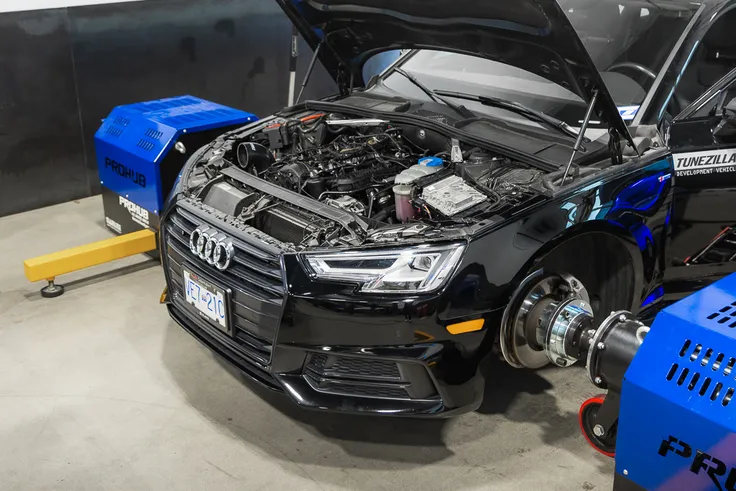
Google Ads works for small auto repair shops when the shop can actually handle the leads they create. Studies across different industries show that search campaigns get between 4% and 7% of people to take action — and well-run ones can do even better. Small businesses that track their results carefully see qualified leads that turn into service sales that make more money than the ads cost. 65% of small-to-midsized businesses invest in Google Ads because the platform gives consistent results when done the right way.
"65% of small-to-midsized businesses invest in Google Ads because the platform delivers consistent results when managed correctly." — Uproas, Google Ads Statistics
Campaign Performance
Conversion Rate Range
Average search campaigns
4% – 7% of visitors take action
Well-optimized campaigns
Above 7% with proper tracking
Poorly managed campaigns
Below 4%, often at a loss
Takeaway: A 4%–7% conversion rate may sound small, but for a shop charging $200–$500 per service, even a handful of qualified leads per week can generate revenue that far exceeds ad spend.
Tip: Tracking every lead — calls, form fills, and direction requests — is essential to knowing whether your Google Ads investment is truly paying off.
Why does the landing page matter more than the ad itself?
The failure point is usually not the ad itself. A driver searches "brake repair near me," clicks your ad, lands on a slow or outdated page, and finds no way to book online. The ad did its job. The shop didn't. This pattern repeats across independent shops that invest in paid search before investing in the systems that convert traffic into confirmed appointments.
How does Google Ads for auto repair shops expose gaps in shop operations?
Most shop owners handle inquiries by phone, paper job cards, and a whiteboard schedule. This works with a few customers, but when a Google Ads campaign brings in five to ten new inquiries daily, the same informal system creates missed calls, double-booked bays, and frustrated customers. Shops using fragmented tools—separate invoicing software, a paper scheduler, and a basic website—find that ad spend accelerates chaos rather than revenue. Platforms like Support Lane consolidate online booking, job scheduling, customer management, and invoicing into one system, allowing shops to absorb increased demand without dropping leads.
Does budget size actually matter?
Businesses generate an average of $2 in revenue for every $1 spent on Google Ads. Small local service businesses achieve strong results with starting budgets of $500 to $1,000 monthly when targeting high-intent searches. This return challenges the notion that only large advertisers profit, as optimized accounts create predictable revenue streams that cover costs and generate profit.
What separates high-performing Google Ads for auto repair shops from big spenders?
The shops that see the strongest returns are not the ones with the biggest budgets, but those with the tightest service focus, the clearest landing pages, and the fastest follow-up systems. A shop running ads for "transmission flush" and "wheel alignment" in a specific zip code, with a mobile-friendly booking link and an automatic confirmation text, will consistently outperform a shop spending three times as much on broad keywords without a follow-through process.
Why does knowing the return potential not guarantee results?
Knowing the return potential and building the operational foundation to capture it are two different problems. The gap between them is where most small shops quietly lose money they never knew they spent.
Related Reading
12 Tips to Create High-Converting Google Ads for Auto Repair Shops
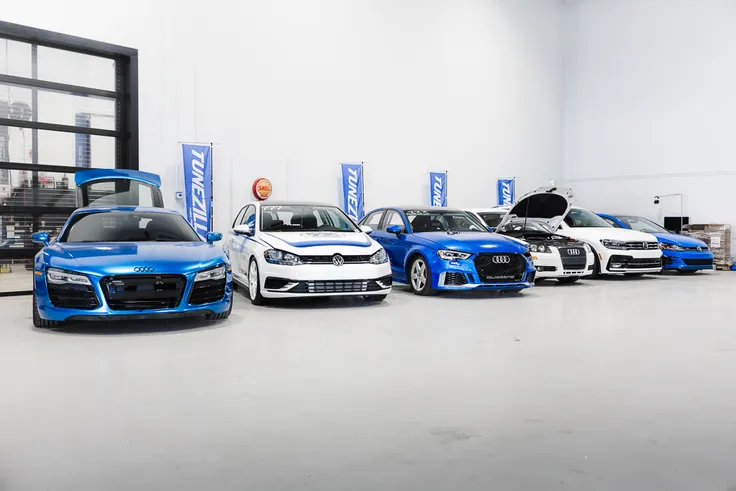
Creating a Google Ads campaign is easy. Creating one that consistently generates qualified phone calls, online bookings, and profitable repair jobs requires a clear strategy. The highest-performing campaigns reach the right drivers, match what they are searching for, and make it easy to choose your shop over nearby competitors.
"The highest-performing Google Ads campaigns don't just generate clicks — they reach the right drivers, match search intent, and convert browsers into booked repair jobs."
Tip: Don't just launch a campaign — build a conversion-focused strategy from the ground up. Every element, from your keywords to your call-to-action, should be designed to drive real repair shop revenue.
Key Point: The difference between a wasted ad budget and a high-converting campaign comes down to three things: targeting the right audience, matching search intent, and making it effortless for drivers to choose your shop over the competition.
Targeting: Move from broad, spray-and-pray audiences to hyper-local, intent-based segments—focusing specifically on drivers within your service radius who have immediate vehicle needs.
Ad Copy: Shift from generic slogans to intent-aligned messaging that directly addresses the specific problem (e.g., "Check engine light?" instead of "We fix cars").
Call-to-Action: Replace vague buttons with frictionless, high-priority actions—such as "Click to Call Now" or "Book Your Diagnostic Today."
Goal: Pivot from "vanity metrics" (clicks/impressions) to outcome-based metrics—specifically tracking qualified inbound calls and confirmed appointment bookings.
1. Focus on high-intent local keywords
Focus on specific phrases that drivers search for when they have urgent problems, such as "brake repair near me," "oil change [your city]," or "check engine light diagnostic open now." Include location words and service-specific long-tail keywords to reach customers ready to book. Use negative keywords to prevent irrelevant traffic from displaying your ads. This targeting improves click quality and conversion rates.
2. Structure campaigns by service category
Organize ads into separate campaigns or ad groups for major services like brakes, transmissions, diagnostics, and routine maintenance. This structure enables tailored ad copy, appropriate bids, and dedicated landing pages for each category. Service-based grouping improves relevance scores, lowers costs, and simplifies performance tracking.
3. Write compelling ad copy that highlights benefits and urgency
Write headlines and descriptions that address drivers' needs and how you can help them. For example, try "Same-Day Brake Service in [City] – ASE Certified Techs" or "Fix That Check Engine Light Today – Free Diagnostic with Repair." Add strong calls to action, such as "Call Now for Quick Quote" or "Book Online in Minutes." Test different versions that highlight trust, speed, guarantees, or special offers.
4. Optimize landing pages for fast conversions
Send clicks to pages made for that service. These pages should load fast on phones and match exactly what your ad promises. Add clear contact options, online booking forms, customer testimonials, pricing information when relevant, and prominent calls-to-action. Include trust-building elements, such as certifications or guarantees, so visitors feel confident booking with you.
5. Implement robust conversion tracking
Set up tracking for phone calls, form submissions, online bookings, and chat interactions within Google Ads and your website analytics. Use call extensions and dedicated numbers to measure which ads drive the most valuable actions. Review data regularly to identify top performers and refine campaigns.
6. Use location extensions and Local Services Ads
Turn on location extensions so your shop address, phone number, and directions appear in the ad. Get approved for Local Services Ads to display at the top with the Google Guaranteed badge. These formats charge you per lead or call and build trust immediately, making it easier for nearby drivers to contact you.
7. Set realistic budgets and smart bidding strategies
Start with a daily budget of $30–$50 for a focused campaign to allow consistent testing, and increase it as performance improves. Use automated bidding like Maximize Conversions or Target CPA once you have sufficient data. This approach keeps costs under control while letting Google's algorithms find the best opportunities.
8. Incorporate ad extensions for more real estate and information
Add sitelink extensions to direct users to specific service pages, callout extensions to highlight benefits such as "ASE Certified" or "Lifetime Warranty on Parts," and structured snippets for service types. These additions increase ad visibility and improve click-through rates by providing searchers with exactly what they need.
9. Monitor and refine with negative keywords and search term reports
Review your search term reports regularly to add negative keywords. These keywords prevent your ads from appearing when people search for low-quality or irrelevant terms. This cleanup keeps your quality score high, reduces wasted spend, and ensures your budget reaches drivers who need repair services.
10. Test and rotate multiple ad variations
Create several ad versions with different headlines, descriptions, and offers, then let them run to see what performs best. Rotate winners while testing new elements, such as urgency messaging or specific promotions.
11. Prioritize mobile optimization and call-only campaigns
Design everything for mobile-first users since most local repair searches happen on phones. Create call-only ads or ensure landing pages have prominent click-to-call buttons. Fast load times, simple navigation, and clear next steps convert mobile visitors into immediate phone inquiries or bookings.
12. Review performance weekly and adjust aggressively
Set up regular check-ins to review key metrics: click-through rate, cost per conversion, and return on ad spend. Pause underperforming ads, increase spending on high-performing campaigns, and refine your targeting based on data insights.
How to Choose the Right Google Ad Format for Your Shop
Different Google ad formats serve different purposes. A driver searching for an emergency tow needs a completely different experience than someone researching tire brands or comparing local repair shops. Choosing the right ad format makes sure your budget reaches customers at the right decision-making stage while supporting your specific goals — generating phone calls, booking appointments, increasing local visibility, or building brand awareness.
"The right ad format isn't just a creative choice — it's a strategic one that determines whether your budget converts or disappears." — Google Ads Best Practices
Tip: Match your ad format to the intent behind the search — emergency searches need instant-action formats like call ads, while research-phase shoppers respond better to display or search ads with detailed messaging.
Warning: Using a one-size-fits-all ad format is one of the most common mistakes shop owners make — it wastes budget on the wrong customers at the wrong stage of their buying journey.
Emergency needs: Use Call-only Ads to prioritize immediate, one-click phone connections for high-urgency tasks.
Researching options: Use Search Ads with detailed descriptions to drive traffic to your landing page and establish credibility.
Comparing local shops: Use Local Search Ads (Google Maps) to dominate the local pack and capture users looking for proximity and directions.
Brand discovery: Use Display Ads to place visual, top-of-mind messaging in front of local drivers, building long-term brand awareness.
Search Ads for High-Intent Customer Capture
Search Ads show text results at the top of Google when people search for specific repair services. They work best for shops targeting drivers actively seeking services like brake repair or diagnostics. Use focused copy that includes location details and strong calls to action, directing clicks to service-specific pages. This format has high conversion potential because it matches what customers are searching for.
Local Services Ads for Pay-Per-Lead Efficiency
Local Services Ads appear above regular search results and display your shop name, ratings, phone number, and Google Guaranteed badge. You pay only when customers call or message through the ad, making it cost-effective for generating qualified leads. Strengthen your Google Business Profile by adding accurate details, photos, and reviews to improve rankings and build trust.
Performance Max for Broader Reach Across Google Channels
Performance Max campaigns use machine learning to show ads across Search, Display, Maps, and YouTube based on your goals. Upload assets such as images, headlines, and videos, then let Google optimize placement. This format works well for shops that promote multiple services or run promotions while gathering cross-platform data. Pair it with strong creative and conversion tracking for best results.
Display and Remarketing Ads for Building Awareness and Follow-Ups
Display Ads appear on websites and apps across the Google network to reach drivers who match your audience but aren't actively searching right now. Use attention-grabbing images of repairs or happy customers paired with strong offers. Remarketing targets people who visited your website before with tailored messages to bring them back, building stronger brand memory and recovering missed opportunities.
Call Ads and Call Extensions for Direct Phone Connections
Call Ads and extensions display your phone number prominently and encourage immediate calls. This works well for urgent repair needs where customers seek fast answers. Track call duration and quality to ensure the right customers reach your team. Combine them with other ad types to drive direct phone calls that convert into same-day or next-day appointments.
How Support Lane Simplifies Google Ads Management for Auto Repair Shops
The gap between ad spending and profitability is usually about how a business runs, not about marketing. Support Lane closes that gap by giving independent shops the tools they need to capture, schedule, and convert Google Ads leads without losing momentum between click and completed repair order.
"The difference between a wasted ad budget and a profitable one isn't the campaign — it's the system that handles the lead after the click." — Support Lane
Key Point: The biggest drain on Google Ads ROI for auto repair shops isn't poor targeting — it's the broken handoff between a lead clicking an ad and a technician completing the job.
Tip: Support Lane bridges the critical gap by unifying lead capture, scheduling, and repair order conversion into a single streamlined workflow — so no lead falls through the cracks.
Lead Capture: Shift from slow, error-prone manual intake to instant, automated capture that never sleeps.
Scheduling: Eliminate "phone tag" and scheduling gaps by allowing customers to book directly into your calendar the moment intent is high.
Ad ROI: Stop wasting spend on clicks that go cold; create a direct "Click-to-Repair" pipeline that tracks every dollar through to a closed job.
Workflow Continuity: Remove friction between stages to ensure prospect momentum is preserved from the initial ad click to the final service appointment.
Best Practice: Independent auto repair shops should treat every Google Ads click as a time-sensitive opportunity — the faster the capture-to-schedule pipeline, the higher the conversion rate and the stronger the return on ad spend.
Where do most shops lose the lead after a Google Ads click?
The failure point is usually the handoff. A customer clicks a paid search ad for "brake repair near me," lands on a slow or confusing page, finds no online booking option, and leaves. Local search ads can increase foot traffic by up to 80% for auto repair shops, but most independent shops run Google Ads into systems never designed to handle the volume or speed that paid search demands.
Why does ad-driven call volume overwhelm most shop workflows?
Most shops handle new inquiries by answering the phone and writing on a notepad. This works with few calls, but when ads generate 10, 15, or 20 calls per week, the notepad becomes problematic. Leads get lost, scheduling conflicts occur, and shops pay for clicks that never convert to customers. Support Lane helps shops manage these inquiries efficiently, ensuring no lead falls through the cracks.
How does the right software close the gap between Google Ads for auto repair shops and actual booked jobs?
Support Lane solves this problem by consolidating all ad inquiries into a single dashboard that displays customer details, vehicle history, and service needs. Customers who click a Google Ads link land on a mobile-optimized page showing real-time availability. They select their service and receive automatic confirmation without calling. The shop's team sees the appointment organized and ready for assignment.
Turning ad spend into closed repair orders
Auto service businesses using Google Ads see up to 3 times as many leads as with organic search alone. Without a connected workflow, that volume creates chaos instead of revenue. Support Lane's integrated invoicing and drag-and-drop job tracking move leads from online booking through a defined pipeline: assigned to a technician, estimated, and invoiced—all from the platform that captured the original inquiry.
What separates the shops that get the most from Google Ads for auto repair?
The shops that get the most from Google Ads are not necessarily those with the biggest budgets or most advanced keyword strategies, but those where every click leads to a working page, every booking gets confirmed, and every job moves forward without manual tool integration.
Once a shop has that foundation in place, the numbers shift.
Sign up for Your Free Trial to Manage your Auto Shop with Ease Today
Ads that once created inquiries now produce scheduled jobs, confirmed appointments, and repeat customers. This shift comes from having one place where everything lands, gets tracked, and moves forward without manual intervention.
"The difference between ad spend that drains your budget and ad spend that builds your business is having a system that captures every lead and moves it forward automatically." — Support Lane
Tip: Every untracked lead is a missed opportunity. A unified platform ensures no inquiry falls through the cracks, turning your ad budget into a reliable revenue engine.
Support Lane gives independent shops that foundation. Our shop management software handles scheduling, invoicing, online booking, and customer records from a single platform — so every lead your ads generate has somewhere to go and someone to follow up with automatically. Start your free trial at supportlane.io and see how a unified system turns ad spend into actual revenue.
Key Point: A single platform for scheduling, invoicing, and customer records means zero leads get lost, and every dollar of ad spend works harder for your shop.
Online Booking: Eliminates lead leakage by turning ad clicks into immediate, confirmed appointments—no staff intervention required.
Scheduling: Synchronizes your bay capacity with incoming demand, ensuring your shop floor stays efficient without manual calendar management.
Invoicing: Accelerates cash flow by automating the transition from a completed repair to a professional, digital invoice.
Customer Records: Converts one-time visitors into long-term assets by centralizing service history and interaction logs for automated remarketing.
Best Practice: Start your free trial today — the sooner your shop management system is live, the sooner your ad spend starts converting into real, trackable revenue.
Related Reading
Fullbay Competitors
Fullbay Vs Shopmonkey
Shopware Competitors
Autoleap Vs Tekmetric
Mitchell 1 Vs Alldata
Ready to modernize your shop?
Join the independent auto repair shops already using Support Lane to manage their jobs, customers, and invoices in one place.