10 Most Profitable Auto Repair Services for Shop Owners

Not every service on an auto repair shop's menu delivers the same return, and staying busy does not always mean growing. When automotive shop workflow management centers on low-margin work, revenue stalls even as bays stay full. Knowing which services drive the strongest profits gives owners a clear foundation for smarter scheduling, better pricing, and more deliberate growth.
That knowledge only pays off when the operation behind it runs cleanly. Tracking labor costs, moving jobs efficiently, and keeping technicians focused on high-value work all depend on having the right systems in place. Support Lane's shop management software brings those pieces together so shops can act on their best opportunities instead of getting buried in the day-to-day.
Table of Contents
What Makes Certain Auto Repair Services More Profitable Than Others?
What Determines Profit Margins for Auto Repair Services?
Are Routine Maintenance Services Profitable?
10 Most Profitable Auto Repair Services for Shop Owners
How to Choose the Most Profitable Auto Repair Services for Your Shop
How Support Lane Helps Auto Repair Shops Improve Profitability
Sign up for Your Free Trial to Manage Your Auto Shop with Ease Today
Summary
Shops that focus on high-labor services like diagnostics, electrical repairs, and ADAS calibration tend to hold stronger margins than those filling bays with parts-heavy work. The difference comes down to cost structure: when a job relies more on technician skill and shop equipment than on expensive inventory, the gap between what it costs to deliver and what a customer pays stays wider. Auto repair shops average around a 50% profit margin on parts and labor combined, but that average masks a wide spread between skill-intensive jobs and parts-heavy rebuilds, where supplier costs consume a large share of the ticket before the shop sees any return.
Routine maintenance services are more profitable than most shop owners assume, and the margin is not accidental. Oil changes at independent dealers carry an average 35% profit margin according to Modern Tire Dealers' Automotive Service Survey, driven by fast bay turnover, bulk consumable pricing, and the technician efficiency that comes from high-volume repetition. The real risk is treating maintenance pricing as a fixed number rather than recalculating it as input costs shift, because one supply disruption can quietly turn a profitable service category into a thin one.
The multi-point inspection attached to routine maintenance visits is one of the most commercially significant steps in a shop's workflow. Research from Lessen shows that every $1 spent on preventive maintenance saves $5 in emergency repairs, a ratio that applies directly to vehicles. Customers who leave with a documented inspection report and a clear explanation of deferred work are far more likely to return for that follow-on service than those who simply paid and left, making the inspection process a direct driver of future revenue rather than just a customer service gesture.
Margin erosion in auto repair shops rarely comes from bad pricing decisions. It comes from workflow fragmentation between the estimate and the final invoice. When advisors rebuild invoices from memory, they forget sublet fees, and shop charges never make it onto the bill. Multiplied across dozens of repair orders each week, those omissions stop being rounding errors. Shops using customer retention tools report up to a 30% revenue increase, not from adding new services, but from recovering work they already completed and nearly lost in the handoff.
No-show appointments are a direct cost that many shops treat as unavoidable. Support Lane's operational data shows that replacing manual phone-call reminders with automated outreach reduces no-show rates by about 20%, meaning empty bays during peak hours are often a scheduling discipline problem rather than a demand problem. As volume grows and manual follow-up gets skipped, the gap between available bay time and productive bay time widens in ways that compound across a full week of scheduling.
Safety-critical services like brake jobs, steering, and suspension repairs carry consistent pricing power because customers treat them as non-negotiable, which removes price comparison from the decision. Fast bay turnover compounds this advantage: a brake job completed in ninety minutes frees the lift for another vehicle the same afternoon, while a multi-hour engine repair ties up a bay and a technician for most of the day. The industry-average net margin sits at just 8%, according to RevenueRanked's analysis of IRS data, meaning shops cannot afford to fill their highest-capacity hours with slow-moving work that looks like a big ticket but compresses the return on every available bay hour.
Shop management software fixes this by connecting estimates, job tracking, and invoicing into one workflow, so every labor charge, parts cost, and fee travels with the repair order from the first touchpoint to final payment, without anyone reconstructing it by hand.
What Makes Certain Auto Repair Services More Profitable Than Others?

Some auto repair services generate better profits because they cost less to provide than customers pay. The difference between your labor costs and customer charges—based on labor content, parts needed, and job completion speed—determines whether a service produces genuine profit or merely keeps you occupied.
Why does labor content determine which auto repair services are most profitable?
Services built on technician skill rather than expensive inventory maintain wider margins on every ticket. A diagnostic session or advanced electrical repair draws on training and equipment the shop already owns, keeping parts costs low while labor rates remain firm. According to Broadly, auto repair shops average around 50% profit margin on parts and labor combined, but this average masks a wide spread between high-labor jobs and parts-heavy rebuilds where supplier costs consume a significant portion of the ticket.
How does workflow fragmentation quietly erode margins on high-labor jobs?
The failure point is usually not the service itself but the workflow around it. Most independent shops track jobs with paper tickets, whiteboard schedules, and separate invoicing tools. This fragmentation leads to loose labor estimates, missed parts charges, and margin erosion between the bay and the final bill. Our shop management software brings together booking, job tracking, and invoicing into one system, so every labor hour and parts charge moves cleanly from the repair order to the customer's invoice without re-entry or dropped details.
What makes safety-critical work consistently profitable
Brake service, steering, and suspension repairs have strong pricing power because customers see them as necessary. Urgency limits price shopping, and the work naturally leads to follow-on items like rotors, alignment checks, and fluid service. Shops that clearly explain safety findings and price the work without discounting keep the profit.
Why does bay turnover determine which auto repair services are most profitable?
Fast bay turnover adds to this advantage. A brake job completed in ninety minutes frees the lift for another customer the same afternoon, while a multi-hour engine repair locks the bay and technician for most of the day. Dollars earned per bay hour show why steady, high-frequency services often outperform occasional large-ticket work. RevenueRanked's analysis of IRS data shows the industry-average net margin sits at 8%, meaning shops cannot afford to fill bays with slow-moving work.
How do specialized skills reduce competition and protect margins?
Specialized skills like ADAS calibration, advanced diagnostics, and complex electrical repair command premium rates. Fewer shops perform this work confidently, reducing price competition. The shop invests in training and tools once, then recovers that cost across many jobs with low parts expense and high labor content.
What Determines Profit Margins for Auto Repair Services?
Profit margins in auto repair depend on three forces: what you charge, what you spend to deliver the work, and how efficiently jobs move from ticket to invoice. Get all three right and the margin holds. Let even one drift and the others will rarely compensate.
"Profit in auto repair isn't determined by a single factor — it's the intersection of pricing, cost control, and operational efficiency that separates thriving shops from struggling ones."
Pricing Strategy → What it controls: Revenue per job → Impact if neglected: Undercharging erodes profit instantly.
Cost of Delivery → What it controls: Parts, labor, and overhead → Impact if neglected: Unchecked spending kills margins silently.
Job Efficiency → What it controls: Throughput and ticket speed → Impact if neglected: Slow turnaround reduces billable capacity.
Tip: Track all three margin drivers simultaneously — fixing only one while ignoring the others is the most common mistake shop owners make.
Warning: Even a well-priced job can become unprofitable if operational inefficiencies cause delays, rework, or wasted labor hours.
Where the numbers actually land
According to the Ratchet+Wrench 2025 Industry Survey of approximately 200 shops, gross margin for well-run shops typically ranges from 50 to 60 percent. Parts costs, technician wages, rent, and utilities each consume a fixed portion regardless of incoming work volume. Shops below that range often lack tight controls in these cost categories, not because they deliver inferior work.
Which cost categories determine whether most profitable auto repair services stay profitable?
According to the Support Lane Blog, labor costs typically account for 35 to 50 percent of revenue, so parts pricing and labor-rate discipline determine your profit margin. Parts margin erosion—driven by incremental discounts—compounds across hundreds of repair orders, wiping out weeks of net profit.
Why do end-of-month reviews fail to protect shop margins at scale?
Most shops track this through end-of-month reports and spreadsheet reviews, an approach that breaks down as volume and daily overrides increase faster than owners can review them. Shop management software like Support Lane surfaces pricing exceptions in real time, not weeks later, after the damage is done.
The Cost Structure Beneath Every Service
A shop's service mix affects profitability as much as its posted labor rate. High-labor jobs like diagnostics, electrical repairs, and transmission work generate stronger profits because parts costs are low relative to billable hours. Industry analysis of sole-proprietor tax returns from ProjectionHub, compiled from more than 228,000 returns, shows parts averaging about 34 percent of revenue while direct labor sits near 13 percent.
Why does service mix determine which auto repair services are most profitable?
Commodity services where parts cost dominates—oil changes, tire rotations—produce thinner margins per ticket and depend on volume and upsell conversion to justify bay time. A shop that fills its schedule with low-margin commodity work while turning away higher-labor diagnostic jobs chooses to stay busy at a discount.
How does overhead shape the net profit left after a busy month?
Most shop owners underestimate overhead when pricing a new service or hiring a technician. Fixed costs don't scale with revenue; they stay constant, so each job's margin must stretch further to cover them. Shops that protect net profit treat overhead as a ceiling that every pricing decision must account for, not a line item to revisit at year-end.
That discipline, applied at the estimate stage rather than the accounting stage, separates a shop with a healthy bank balance from one perpetually surprised by how little remains after a busy month.
The services that seem least exciting on paper often reveal where your margin actually lives.
Related Reading
Automotive Technician Shortage
Auto Body Shop Marketing
How To Increase Business At Auto Body Shop
Auto Repair Shop Google My Business Categories
Automotive Customer Retention Strategies
Auto Repair Advertising Slogans
Tech Efficiency
Mechanic Shop Inventory List
Are Routine Maintenance Services Profitable?

Routine maintenance services are profitable because bays turn over quickly, bulk supplies cost less, and inspections that surface additional approved work can happen during the same visit.
Tip: Don't underestimate routine maintenance as a revenue driver — fast bay turnover combined with bulk purchasing power means your margins compound with every vehicle that rolls through.
"Routine maintenance visits create the perfect opportunity to surface additional approved work — turning a simple oil change into a significantly higher ticket through digital inspections." — SupportLane Insights
Takeaway: The profitability formula for routine maintenance is simple — low supply costs + high bay turnover + upsell opportunities = consistent, scalable revenue for your shop.
Fast Bay Turnover → More vehicles serviced per day = more revenue.
Bulk Supply Purchasing → Lower cost per job = higher margins.
Digital Inspections → Surfaces additional approved work during the same visit.
Where the Real Numbers Live
Routine, straightforward jobs let technicians work faster than complex repairs. A technician who performs ten oil changes daily develops a rhythm that cuts actual work time well below the billable hours where profit is generated. This gap between actual and billable time creates the 35 percent average profit margin that Modern Tire Dealers' Automotive Service Survey reported for independent dealers, a figure that surprises many shop owners who assumed such work was unprofitable.
The Risk Nobody Is Pricing In
When shops buy oil in bulk, their profit margins depend on stable wholesale prices. However, oil costs fluctuate with global events that affect supply. Shops that lock in maintenance pricing at fixed rates must absorb cost spikes directly. Price routine maintenance using current material costs calculated at estimate time, not outdated bulk oil prices.
Most shops price maintenance tickets using memory or static price lists, which erodes margins as input costs change. Shop management software built for independent operators like Support Lane connects job tracking directly to invoicing, so material costs update through the workflow rather than languishing in forgotten spreadsheets.
The Inspection Multiplier
According to Lessen's research on property maintenance economics, every $1 spent on preventive maintenance saves $5 in emergency repairs—a ratio that applies to vehicles as cleanly as buildings. The multi-point inspection attached to routine maintenance visits follows this principle: a customer comes in for an oil change, learns their cabin air filter is clogged and their brake fluid needs flushing, and isn't upsold, but shown the preventive work that protects their larger investment. Shops that skip or rush the inspection leave that conversation and ticket value on the table.
Why do most profitable auto repair services depend on inspection consistency?
60% of oil change customers aren't loyal to any single shop because nobody gave them a reason to return. A thorough inspection communicated clearly and followed up through the same system that booked the original appointment provides that reason.
Profitability in routine maintenance comes from pricing discipline, consistent inspections, and an operational structure that turns a simple oil change into a documented, trackable, repeatable workflow.
Related Reading
Auto Repair Shop Workflow Automation
Auto Repair Lead Generation
10 Most Profitable Auto Repair Services for Shop Owners
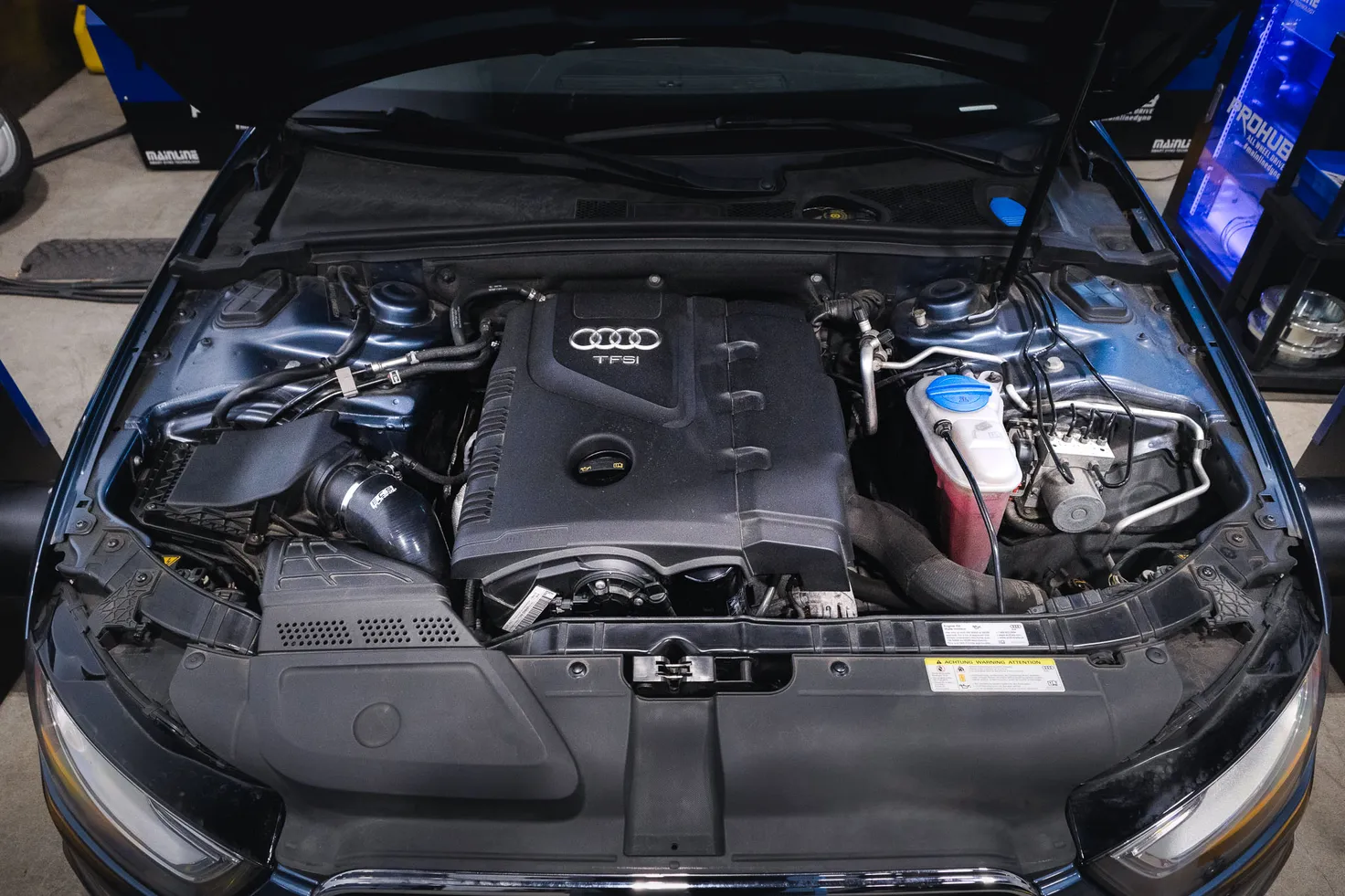
The most profitable auto repair services combine steady customer demand, skilled labor, reasonable parts costs, and repeat business. Shop owners should choose services that fit their equipment, technicians, and local market while keeping operating costs firmly under control.
"The most successful auto repair shops focus on services that align high demand with low overhead — turning repeat customers into long-term revenue streams." — Industry Best Practice
Tip: When evaluating which services to offer, always prioritize the combination of profit margin, turnaround time, and customer return rate — these three factors are the biggest drivers of shop profitability.
Steady Customer Demand → Ensures consistent revenue flow year-round.
Skilled Labor → Reduces costly errors and increases throughput.
Reasonable Parts Costs → Protects your profit margin per job.
Repeat Business → Lowers customer acquisition costs over time.
Key Point: The most profitable shops don't just chase high-ticket repairs — they build a balanced service menu that generates revenue from both big jobs and high-frequency, low-cost services.
1. Diagnostics and Driveability Testing
Diagnostics is one of the highest-profit services because it depends on technician skill and scan tools rather than expensive parts. Labor profits typically reach 50 to 65 percent compared to 20 to 30 percent for parts, so diagnostic work keeps a larger share of the bill. Customers accept diagnostic fees once the advisor explains the test plan and supporting data. The same visit often uncovers related work the shop can complete immediately, expanding the repair order without extra marketing cost.
2. Brake Service and Repair
Brake work combines steady demand with short, predictable labor times that raise profit per bay hour. Safety urgency reduces price shopping, and customers approve the job because continued driving carries clear risk. A 2025 survey of 302 shop owners found that half listed brake service among their most profitable categories. Parts such as pads and rotors carry solid markup when bought in volume, while an experienced technician completes a standard job in roughly 1 to 1.5 hours. Natural add-ons such as fluid service or alignment keep margins reliable year-round.
3. Steering and Suspension Work
Steering and suspension repairs are profitable because they address safety and ride issues that drivers prioritize. Shop owners ranked this category second for profitability at 28 percent. The work is labor-intensive relative to parts costs, and it pairs well with alignments and tire services to increase average bills. Consistent inspection procedures and pricing protocols prevent missed charges and rework, improving margins.
4. Air Conditioning and Heating Repairs
Heating and cooling service generates higher revenue because refrigerant, components, and specialized tools command premium pricing. The same owner survey ranked HVAC work third, with 24 percent of respondents selecting it. Demand spikes during extreme weather, and equipment investment pays back through repeat seasonal volume and in-house completion. Proper recovery and charging procedures create opportunities for related services such as cabin filters or system flushes that increase the ticket without consuming significant bay time.
5. Electrical Repairs and Module Programming
Electrical work and module programming generate strong revenue because modern vehicles require specialized scan tools and expertise that few shops possess. Parts costs remain low relative to billable labor, and customers pay for expertise when they realize they can't fix the problem by simply swapping a part. Shops with current diagnostic software capture jobs that would otherwise go to dealers or specialists, and this capability supports ADAS and hybrid systems, spreading the investment across multiple high-return categories.
6. ADAS Calibration
ADAS calibration has become a clear profit center as more vehicles require it after alignments, windshield replacements, or suspension work. In the 2026 Ratchet+Wrench Industry Survey of more than 430 shop owners and managers, 38 percent listed ADAS work among their additional profit centers or specialties. Caliber data shows that collision repairs requiring calibration reached 65 percent by Q2 2025 and is projected to climb further. Shops that do the work in-house keep the full labor charge, avoid losing bay time and customer relationships to other vendors, and, once standardized, benefit from a steady revenue stream despite upfront equipment costs.
7. Wheel Alignments
Alignments generate reliable profit because they're short, repeatable, and often needed after other work. The job uses equipment the shop already owns, keeping costs low while maintaining strong labor profits. Customers accept the recommendation when shown measurement data demonstrating its effect on tire wear and handling. Pairing alignment with tire rotation or balance raises average ticket without consuming significant additional bay time.
8. Transmission Service and Fluid Exchanges
Transmission fluid services generate strong profit margins because they require specialized knowledge and equipment while keeping parts costs low. Full rebuilds command higher prices, but fluid exchanges deliver excellent profit per hour when priced competitively and performed efficiently. Customers aware of major failure costs readily approve preventive work, and these visits frequently uncover additional repairs. Shops that track profit margins separately can spot drops in parts pricing or technician time before they cause losses.
9. Tire Services and Balancing
Tire work generates strong profit when shops control markup and pair service with inspections and alignments. High demand keeps bays turning, and bulk tire purchases support healthy margins when shops maintain pricing discipline. Inspections during tire replacement or rotation uncover brake, suspension, or alignment needs that drive additional labor and parts sales in a single visit. Shops that measure profit per bay hour, not just tire invoice margins, understand why this category supports overall results.
10. Routine Maintenance Packages
Oil changes, filter replacements, and multi-point inspections generate revenue through high frequency and low bay time when priced to cover material costs plus labor. A Modern Tire Dealers survey reported an average 35 percent profit margin per oil-change job, with dealers earning more than $21,000 annually from this service line alone. More than 50 million consumers get an oil change each month, creating repeat visits that spread overhead and enable approval of additional work identified during inspection.
Why do these services rank among the most profitable auto repair services?
These ten services stand out because they combine strong labor content, predictable demand, short or controlled bay time, and clear customer need. Tracking margin by category reveals which ones deliver the best return in a given shop and where small process improvements protect owner earnings.
How to Choose the Most Profitable Auto Repair Services for Your Shop

Choosing the right repair services helps shop owners attract steady business, control costs, and make more profit per job. The best options depend on what people in your area need, what your technicians can do, how much equipment costs, and how much money each job makes.
"The most profitable shops don't offer every service — they strategically select the right mix based on local demand, technician skill, and per-job margin." — Auto Repair Industry Best Practices
Local Demand → Why it matters: Ensures consistent customer volume → Impact on profit: High.
Technician Skill Set → Why it matters: Reduces errors and comeback jobs → Impact on profit: High.
Equipment Costs → Why it matters: Affects upfront investment and overhead → Impact on profit: Medium–High.
Per-Job Revenue → Why it matters: Determines the margin on each service → Impact on profit: Critical.
Tip: Before adding a new service, always calculate your break-even point — factor in equipment, labor, and parts costs to ensure the service is worth offering.
Warning: A common mistake shop owners make is chasing high-volume, low-margin services. Profitability per job matters far more than sheer volume — focus on services that deliver strong margins alongside steady demand.
Review Your Own Shop Numbers First
Pull completed jobs from the past two or three months and group them by service type such as brakes, diagnostics, alignments, or engine work. Analyze total sales, gross profit dollars, hours spent, and repeat visits for the same problem. Busy services may lose money if they tie up a bay for hours while generating little profit after parts and labor costs. This reveals which work pays well and which only fills space without helping the bottom line.
Match Services to Skills and Tools You Already Have
Choose work your technicians already do well, and your current equipment can handle. Adding a service that requires expensive new tools or months of training costs significant money before it generates profit. Start where your team has proven competence, then expand once those jobs run smoothly. This maintains quality, reduces mistakes, and lets the shop take on more work without substantial upfront spending.
Study Local Demand and Customer Behavior
Check what drivers in your area search for and request. Safety items like brakes and suspension get steady visits because people don't delay when stopping power or handling feels off. Seasonal needs like air conditioning create reliable demand. Services that match local vehicle types and common road conditions attract more customers who approve work quickly.
Favor Labor-Heavy Work for Better Margins
Labor typically yields higher gross margins than parts because technician time, not inventory, is the main cost. Diagnostics, electrical repairs, and many brake or suspension jobs rely more on skill and tools than expensive components. Parts-heavy jobs raise invoice totals but leave less profit after parts costs. Shops that emphasize billable technician time on complex, repeatable tasks retain more of each dollar earned.
Measure Gross Profit per Productive Hour
A large invoice doesn't guarantee better profit if the job consumes a bay and technician for many hours. Calculate gross profit dollars divided by productive hours used. A shorter, high-margin service can return more profit per hour than a long major repair. This reveals which services to promote when bay space and technician time are limited, and which categories truly support higher overall shop profit.
Standardize Processes and Start with a Few Services
Turn high-potential services into clear, repeatable packages with defined steps, parts lists, and time estimates. Standardization reduces errors, accelerates training, and helps advisors explain value to customers. Add only two or three new or expanded services at a time so the team can master them before taking on more. Consistent delivery builds customer trust and converts one-time jobs into repeat visits.
Track Job Flow and Profit Details with Clear Tools
Platforms like Support Lane offer Kanban board views with customizable pipelines and color-coded stages, showing exactly where each job sits and how long it spends in each step. Our shop management software tracks time in stages, generates work order numbers, stores job notes, and builds invoices from service templates that include labor, parts, and fees. This visibility reveals which services move quickly with strong margins and which create bottlenecks or comebacks, supporting better decisions about service growth.
Balance Volume, Margins, and Quality to Cut Comebacks
High-volume services like basic maintenance bring customers to your shop who may later approve bigger repairs, but only if you do the work right. Services with frequent comebacks erase profit through rework and lost trust. Balance steady, shorter jobs with higher-ticket repairs that match your shop's strengths. Good documentation and clear customer communication keep work approved and vehicles fixed the first time.
How Support Lane Helps Auto Repair Shops Improve Profitability

Having a good operational structure is the foundation, but structure without visibility is just organized chaos. Knowing which services make the strongest profits is one thing — knowing whether your shop is actually capturing those profits on every job, every day, is something else entirely.
"Structure without visibility is just organized chaos — knowing your most profitable services means nothing if you can't confirm you're capturing that profit consistently." — Support Lane
Tip: Don't just build a strong operational structure — pair it with real-time visibility into your shop's performance so nothing slips through the cracks.
Key Point: There's a critical difference between knowing your profit potential and actually capturing it. The shops that win are the ones tracking every job, every day — not just reviewing numbers at month-end.
Organized workflows and processes → Benefit: Good structure → Risk without it: Organized chaos — no real insight.
Knowing which services earn the most → Benefit: Profit visibility → Risk without it: Leaving money on the table daily.
Confirming profits on every job → Benefit: Daily capture tracking → Risk without it: Revenue leakage across every ticket.
Why do shops lose margin even when offering the most profitable auto repair services?
The failure point is usually fragmentation. A shop might price brake jobs correctly, inspect thoroughly, and communicate well, but if the estimate lives in one place, the invoice gets rebuilt from scratch elsewhere, and the follow-up reminder exists only in someone's memory, margin leaks at every handoff. According to the Support Lane Blog, shops using customer retention tools report up to a 30% increase in revenue, not because they added new services, but because they stopped losing work they had already earned.
Where does revenue leak out of the most profitable auto repair services?
The problem is rarely the service itself, but the distance between completing work and collecting payment. A technician finishes a transmission service, the advisor writes an invoice from memory, a sublet fee gets forgotten, and a shop fee never makes it onto the final bill. Multiply that across thirty repair orders a week, and it stops being a rounding error. Shop management software like Support Lane addresses this by building estimates and invoices from predefined service templates, ensuring every line item, labor charge, parts cost, and fee travels with the job from first touchpoint to final payment.
How do no-shows quietly drain capacity from high-value repair bays?
Most shops handle appointment reminders with manual phone calls, which get skipped as volume grows, leaving empty bays. The Support Lane Blog reports a 20% reduction in no-show appointments when automated reminders replace manual outreach, eliminating dependence on whether staff remembered to make the call.
Turning completed jobs into returning customers
A customer who receives a documented inspection report, a clear explanation of deferred work, and a timely follow-up message is more likely to return for that cabin air filter or coolant flush than one who simply pays and leaves. Support Lane connects vehicle history, mileage logs, and prior service records to each customer profile, so when that customer books their next oil change, the advisor sees exactly what was deferred and when, and can recommend the next service with specific, credible detail rather than a generic upsell. That specificity transforms a routine visit into a multi-line repair order.
How do small operational choices compound into the most profitable auto repair services?
Shop-level profitability comes from making hundreds of small choices correctly every day. Shops that build on these small wins stop viewing each job as a separate deal and instead see the entire process—from online booking through payment—as one connected system.
Related Reading
Invoice Software For Mechanic Shop
Best Diagnostic Machine For All Cars
Auto Repair Promotion Ideas
Automotive Customer Loyalty Programs
Seo For Auto Repair Shops
Appointment Booking Software For Auto Repair
Mechanic Work Order App
Spare Parts Inventory Management Best Practices
Mechanic Book Hours
Sign up for Your Free Trial to Manage Your Auto Shop with Ease Today
Managing services without friction turns opportunity into profit. When job details scatter across sticky notes, parts costs go unlogged, or invoices sit unfinished, profit quietly disappears before reaching your account.
"Operational friction is the silent killer of auto shop profitability: every unlogged cost and unfinished invoice is money that never reaches your bottom line."
Tip: Centralizing your job tracking, parts costs, and invoicing into one system stops you from leaving money on the table with every repair order.
Shop management software like Support Lane brings those pieces into one place. Our platform helps you:
Kanban Board → Track every job visually from start to finish.
Service Templates → Build reusable templates with labor and parts priced in.
Appointment Scheduling → Schedule jobs and send automated reminders.
Payment Recording → Log payments without switching between tools.
It removes the operational friction that costs you money on every single repair order.
Key Point: Support Lane is built to eliminate the exact inefficiencies — scattered notes, unlogged costs, unfinished invoices — that silently drain your shop's profitability every day.
Best Practice: Start your free trial today and experience what it feels like to run your auto shop with zero operational friction from day one.
Ready to modernize your shop?
Join the independent auto repair shops already using Support Lane to manage their jobs, customers, and invoices in one place.