Automotive Technician Shortage: 9 Key Causes and Solutions
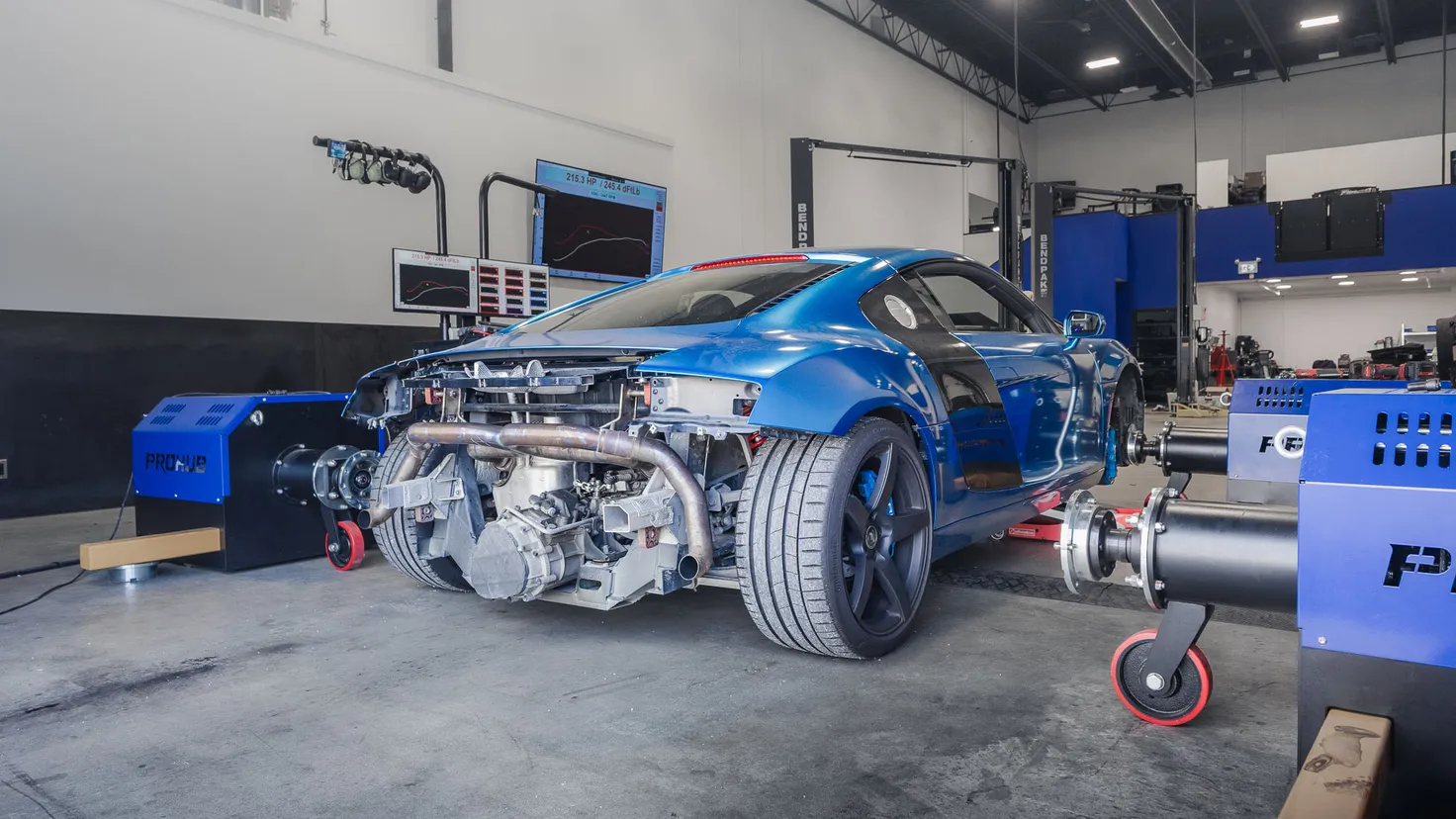
The technician shortage is squeezing auto repair shops of every size, driving up hiring costs, slowing turnaround times, and pushing existing staff toward burnout. Qualified workers are leaving the trade faster than new ones are entering it, and the gap is only widening. Understanding what is pulling technicians away, and what keeps them, is the first step toward building a team that holds together long-term.
Staffing, however, is only half the problem. Even a capable crew will struggle when poor automotive shop workflow management creates confusion, wasted time, and uneven workloads. Shops that streamline how jobs are assigned and tracked give their technicians a clearer, less stressful path through the day, which makes the workplace easier to stay in. Shop management software from Support Lane helps owners do exactly that, turning a well-hired team into one that actually stays.
Table of Contents
What Is the Automotive Technician Shortage, and Why Does It Matter?
How Does the Automotive Technician Shortage Affect Auto Repair Shops?
Is the Technician Shortage Actually a Workplace Retention Problem?
9 Key Causes of the Automotive Technician Shortage
9 Practical Solutions to the Automotive Technician Shortage
How Support Lane Helps Auto Repair Shops Stay Productive
Sign up for Your Free Trial to Manage Your Auto Shop with Ease Today
Summary
The automotive technician shortage is a measurable supply-and-demand crisis, not a distant forecast. The United States needs roughly 70,865 new technicians each year through 2029, but training programs produce enough graduates to fill only about 50,085 of those positions, according to the TechForce Foundation's 2026 Supply, Demand and Opportunity Report. That 29 percent gap translates directly into unanswered job postings, overloaded technicians, and appointment calendars that look full but still underperform on revenue.
The shortage is, in large part, a retention failure disguised as a recruitment problem. In 2025, the automotive sector hired 385,716 technicians and lost 376,961 in the same year, for a net gain of roughly 8,755 workers nationwide. Shops are cycling through people rather than building a stable workforce, and the ASE Education Foundation found that more than 40 percent of technicians exit the industry within their first two years.
Culture and career clarity matter more to retention than compensation alone. Fewer than 30 percent of technicians report satisfaction with career path clarity, and large shares describe management communication as poor, according to WrenchWay and ASE's Voice of Technician surveys. Compensation ranked lower than culture and advancement on the list of reasons people consider leaving, which means shops that respond only by raising starting pay are addressing the wrong variable.
The financial weight of understaffing is substantial and largely invisible. The TechForce Foundation estimates that unfilled technician roles cost the industry $7.42 billion in lost wage-based economic output every year, and that figure excludes parts unsold, customers lost to competitors, and jobs turned away. At the shop level, data from Sonic USA cited by MOTOR magazine puts the cost of a consistently vacant bay at $20,000 to $25,000 per month in lost labor revenue and parts sales, while fixed costs continue uninterrupted.
Administrative friction compounds the shortage by pulling productive time away from the technicians already on the floor. A single sequence of finishing a job, walking to the front counter, waiting for the next assignment, and walking back can consume eight minutes. Across six technicians and a full day, that adds up to nearly an hour of billable labor lost without a single error occurring. Shops using digital vehicle inspections see average repair order increases of up to $200 per ticket, according to the AutoVitals Blog, largely because unified workflows surface work that gets missed or forgotten when information moves across disconnected systems.
Shop management software addresses this by consolidating job tracking, scheduling, invoicing, and customer communication into one shared record, so the administrative burden that currently falls on technicians and advisors moves into the background where it belongs.
What Is the Automotive Technician Shortage, and Why Does It Matter?
The automotive technician shortage is a supply-and-demand problem with real consequences for every shop owner. The United States needs roughly 70,865 new automotive technicians each year through 2029, but training programs are only producing enough graduates to fill about 50,085 of those positions, according to the TechForce Foundation's 2026 Supply, Demand and Opportunity Report. That 29 percent gap shows up as a full appointment calendar, a growing queue of vehicles, and a shrinking window to earn the revenue your shop can generate.
"The United States needs roughly 70,865 new automotive technicians each year through 2029, but programs are only producing enough graduates to fill 50,085 of those positions — a gap of 29 percent." — TechForce Foundation, 2026 Supply, Demand and Opportunity Report
Annual Technician Demand: 70,865.
Annual Supply from Training Programs: 50,085.
Unfilled Positions per Year: ~20,780.
Supply Gap: 29%.
Warning: This isn't a temporary hiring slump — it's a structural, multi-year shortage that is actively costing shops revenue right now.
Key Takeaway: Every unfilled technician role in your shop directly reduces your earning potential—understanding the scale of this shortage is the first step toward solving it.
Why is the automotive technician shortage getting harder to close?
Vehicles keep breaking down even though repair shops lack sufficient workers. According to S&P Global Mobility data cited in the TechForce analysis, the average age of a vehicle on U.S. roads has reached 12.8 years, meaning older vehicles that require more complex repairs are arriving more frequently. The cars keep coming. The technicians do not.
Modern vehicles require technicians who can diagnose electronic control systems, service high-voltage components in electric and hybrid drivetrains, and perform traditional mechanical work. This combination takes years to develop. When a technician leaves through retirement or burnout, that knowledge does not transfer automatically to the next person. The pipeline from training program to productive shop floor is too narrow to replace what is being lost.
How does understaffing push your remaining technicians toward the exit?
Most shops respond to understaffing by asking current technicians to do more work. Technicians who handle too much work make more mistakes, take longer on each job, and eventually leave for less stressful positions. Shops that retain their staff typically abandon paper job cards, scattered spreadsheets, and separate invoicing systems. When every step of a repair order exists in one place—from online booking to final invoice—technicians spend less time searching for information and more time doing their actual work. Shop management software built on that principle cannot replace a missing technician, but it gives the ones you have a cleaner, faster path through each day.
What does the automotive technician shortage actually cost independent shops?
The TechForce Foundation estimates that unfilled technician roles cost the industry $7.42 billion in lost wage-based economic output every year. That figure counts only wages those positions would have generated, not unsold parts, customers driven to competitors, or jobs shops turn away. For independent shop owners, these invisible losses quietly erode profitability over months and years.
The shortage is not a future risk; it is the current operating condition for most independent repair shops.
Related Reading
Automotive Customer Retention Strategies
Most Profitable Auto Repair Services
Auto Repair Advertising Slogans
How To Increase Business At Auto Body Shop
Tech Efficiency
Auto Body Shop Marketing
Mechanic Shop Inventory List
Auto Repair Shop Google My Business Categories
How Does the Automotive Technician Shortage Affect Auto Repair Shops?

Every empty bay in your shop is a daily invoice that never gets written. MOTOR magazine reported data from Sonic USA showing that a consistently vacant bay costs between $20,000 and $25,000 per month in lost labor revenue and parts sales, while fixed costs like rent, equipment leases, and insurance keep going. That math adds up quietly — until the damage becomes impossible to ignore.
"A consistently vacant bay costs between $20,000 and $25,000 per month in lost labor revenue and parts sales." — MOTOR Magazine, citing Sonic USA data
Warning: These losses aren't one-time hits — fixed overhead costs like rent, equipment leases, and insurance continue accumulating regardless of whether that bay produces a single dollar of revenue.
Tip: Track your bay utilization rate weekly. Even a single unfilled bay can silently drain $240,000–$300,000 in annual revenue — a number most shop owners don't calculate until it's too late.
Lost Labor Revenue: Up to $25,000/month.
Lost Parts Sales: Included in the revenue gap.
Fixed Overhead (Rent, Leases, Insurance): Continues regardless of bay activity.
Annual Revenue Loss: Up to $300,000/year per vacant bay.
When the Schedule Breaks, Customers Walk
A customer calls for a brake job, hears "next week at the earliest," and books with the shop two miles away. Multiply this across five calls a day, five days a week, and you're watching meaningful monthly revenue go to competitors—not because your work is worse, but because you lack capacity. The National Automobile Dealers Association puts the annual technician shortfall at roughly 37,000 trained workers, meaning the hiring pool that could solve your scheduling problem simply does not exist at the scale the industry needs.
How does the automotive technician shortage create a hidden tax on your best technicians?
When a bay sits empty, technicians absorb the overflow work. They service more vehicles, skip diagnostic steps that normally warrant a second opinion, and stay late to prevent backlog from spilling into the next day. Tired technicians produce higher rework rates. Comebacks consume hours that should go to new repair orders. When a skilled tech leaves due to unsustainable pressure and pay, the vacant bay joins the others, and remaining staff shoulder even more load. The cycle does not reset; it tightens.
Can better shop software recover hours lost to the automotive technician shortage?
Most shops handle this pressure using multiple disconnected tools: a paper job log, a spreadsheet for scheduling, a separate invoicing app, and a whiteboard that captures only part of the story. When technicians are short and every hour counts, entering vehicle information into three different systems wastes time skilled techs should never spend. Platforms like shop management software consolidate job tracking, scheduling, and invoicing into one record, so a car booked online on Monday becomes the same ticket invoiced on Friday without re-entering a single field. This friction reduction won't replace a missing technician, but it recovers hours your existing team previously lost to administrative overhead.
Why Customer Trust Erodes Faster Than Revenue
Long wait times hurt more than just one sale. A customer who waits ten days for regular service tells three people about it. According to NADA data, insufficient technicians directly limit shop capacity, and slower work is the primary reason customers leave independent shops. A loyal customer who returns for every oil change, tire rotation, and inspection generates substantial lifetime value. Losing that customer to a faster competitor because your team is stretched thin represents revenue loss that may not appear as a separate budget line but significantly impacts your yearly numbers.
What the Numbers Actually Mean for an Independent Shop
The 37,000-technician annual shortfall directly impacts your shop: job postings sit unanswered for weeks, your best tech handles work meant for two people, and your appointment calendar underperforms on revenue. A shop running two bays short of capacity for twelve consecutive months absorbs a potential loss of $300,000 or more annually—conservatively calculated at $ 25,000 per bay per month. That loss reshapes every operational decision, from scheduling to how your team uses the first thirty minutes of each morning.
The deeper question most shop owners eventually face is whether the shortage stems from supply.
Is the Technician Shortage Actually a Workplace Retention Problem?
The technician shortage is mostly a retention failure that looks like a recruitment problem. Shops hire at a pace that should grow the workforce, yet net gains barely move because exits nearly match entries. That is a workplace problem, not a pipeline problem.
Key Point: If your shop is constantly hiring but headcount never grows, you don't have a recruiting problem — you have a retention crisis.
Warning: Treating a retention failure as a pipeline problem leads shops to spend more on recruiting without fixing the real issue driving technicians out the door.
TechForce Foundation's 2026 Supply, Demand and Opportunity Report makes this devastatingly clear: in 2025, the automotive sector hired 385,716 technicians and lost 376,961 in the same year — a net gain of roughly 8,755 workers across the entire country.
"In 2025, the automotive sector hired 385,716 technicians and lost 376,961 — a net gain of just 8,755 workers nationwide." — TechForce Foundation, 2026 Supply, Demand and Opportunity Report
Technicians Hired: 385,716.
Technicians Lost: 376,961.
Net Workforce Gain: ~8,755.
Shops are not failing to find people. They are failing to keep them.
Takeaway: With a 97.7% turnover-to-hire ratio, the industry's workforce problem is fundamentally a workplace culture and retention challenge — and no amount of recruiting spend will fix it.
Why do technicians leave so early?
The failure point is almost always the first 90 to 180 days. New technicians arrive with momentum and leave with debt because tool costs are high, flat-rate pay creates unpredictable weekly income during their learning phase, and mentorship is either unavailable or unpaid. According to the ASE Education Foundation, more than 40 percent of technicians leave the industry within their first two years—a predictable outcome of a system that burdens those least equipped to handle financial and professional pressure.
What do technicians themselves say about why they leave?
WrenchWay and ASE's Voice of Technician surveys reveal what matters to people. Fewer than 30 percent of technicians report satisfaction with their career path clarity. Many describe management communication as poor and feel undervalued. Compensation ranks lower than culture and advancement in decisions to leave. Shops addressing this through higher starting pay alone solve the wrong problem.
How does a chaotic onboarding environment accelerate early exits?
Most shops handle onboarding informally: a senior tech answering questions when available, paper job sheets, and hand-updated schedules. When turnover is high and bays cycle through new faces every few months, managing that chaos pulls experienced technicians from billable work. Shop management software like Support Lane consolidates job tracking, scheduling, and communication into one place, so new technicians don't spend their first week navigating multiple systems while senior techs lose hours locating paperwork.
Where does the real cost of the automotive technician shortage actually live?
PartsTech's 2025 survey found that 31 percent of general repair shops named the technician shortage as their biggest challenge, yet only 3 percent listed retention improvement as a top goal. That gap reveals the real cost. Shops spend roughly $5,000 per placement through headhunters, absorb weeks of reduced productivity during ramp-up, and restart the cycle when the technician leaves. Every exit erodes institutional knowledge, strains remaining technicians, and signals to the team that this is a place people leave.
What shops rarely account for is how the environment itself accelerates that signal. Fixing it turns out to be more within reach than most owners expect.
Related Reading
Auto Repair Shop Workflow Automation
How To Streamline Auto Repair Shop Operations?
What Percentage Of Labor Rate Should Technician Get
Automotive Text Message Marketing
Key Metrics For Auto Repair Shop Performance
Auto Repair Shop Payment Processing
Auto Repair Shop Tax Deductions
How To Recruit Automotive Technicians
Ai Marketing For Auto Repair
Auto Repair Lead Generation
9 Key Causes of the Automotive Technician Shortage

The shortage of automotive technicians makes it significantly harder for repair shops to find and keep qualified workers. Contributing factors include an aging workforce, limited training opportunities, changing career expectations, and increasingly complex vehicle technology—each compounding the overall crisis in the industry.
"The automotive technician shortage is driven by a perfect storm of factors: an aging workforce exiting the trade, limited pipelines for new talent, and rapidly evolving vehicle technology that demands ever-higher skill levels." — Industry Analysis
Aging Workforce → Experienced technicians retiring faster than replacements arrive.
Limited Training Opportunities → Fewer qualified candidates entering the field.
Changing Career Expectations → Younger workers less drawn to traditional trades.
Complex Vehicle Technology → Higher skill requirements reduce the eligible talent pool.
Key Point: The automotive technician shortage isn't caused by a single issue—it is the result of multiple compounding factors that repair shops must understand to address effectively.
Warning: Shops that fail to recognize the root causes of this shortage risk chronic understaffing, longer repair times, and ultimately, lost revenue and customer trust.
1. Aging Workforce and Wave of Retirements
Experienced technicians are retiring faster than younger workers enter the field, creating unfilled positions. The loss of long-term knowledge and skill outpaces new technicians' ability to gain equivalent experience, widening the gap annually.
2. Negative Perception of the Profession
Many people view automotive repair as dirty, low-status work with limited future potential. Parents and school counselors steer students toward college degrees or office jobs instead of trade careers, reducing interest in technician training. This stigma persists despite modern shops requiring advanced diagnostics, electronics expertise, and problem-solving skills.
3. Compensation and Pay Structure Problems
Starting pay in many shops remains low despite requiring considerable skill and physical effort. Flat-rate systems make weekly income unpredictable because technicians earn based on estimated job duration rather than actual hours worked. New technicians struggle most with this system while learning, and many leave for steadier hourly positions in other fields, even though they could earn more as technicians long-term.
4. High Cost of Personal Tools
Technicians typically buy and maintain their own tools, and a full set costs considerable money. Workers starting out must pay for this while earning lower wages and having limited savings. Some shops offer tool allowances or payment plans, but many place the entire cost on the technician. This upfront expense deters people from entering the field.
5. Lack of Clear Career Paths
New technicians often start with basic tasks like oil changes and tire work. Without a clear advancement path, they struggle to move into higher-skill roles or earn better pay. Shops that fail to explain advancement opportunities, required certifications, or mentorship leave workers uncertain about their future. Motivated people then seek positions at shops offering transparent growth opportunities, preventing many from staying long enough to become skilled, experienced technicians.
6. Shrinking Training Pipeline and Fewer School Programs
High schools have cut or eliminated automotive shop classes, reducing early exposure to the work. Post-secondary programs produce graduates, but fewer people complete relevant training than there are open positions. Limited awareness and reduced hands-on opportunities mean fewer candidates enter the pipeline, making it harder for shops to find entry-level technicians.
7. Rising Vehicle Complexity
Modern vehicles contain extensive electronics, computer systems, sensors, and advanced driver-assistance features. Repairs now require diagnostic software, specialized training, and expertise in both mechanical and electronic components. Technicians must continuously update their skills, and new entrants face higher barriers without strong support and ongoing learning opportunities.
8. Workplace Culture and Management Issues
Technicians leave shops when they feel undervalued, face poor communication from managers, or lack support and mentorship. Early career experiences determine whether someone stays in the industry. Shops that prioritize production over guidance during the first months lose people before they develop real skills. Strong culture, clear expectations, and genuine investment in development retain technicians; weak environments accelerate exits.
9. Competition from Other Industries and Work Demands
Other fields offer comparable or better pay with more predictable schedules, less physical strain, and greater flexibility. Automotive work involves long days, weekend hours, and physical demands such as lifting and bending in varied conditions. Young workers weigh these factors against options in technology, logistics, or other trades. When shops cannot match the work-life balance or stability available elsewhere, they lose candidates to competing industries.
9 Practical Solutions to the Automotive Technician Shortage

Fixing the shortage of automotive technicians requires practical plans that bring in new workers, build technical skills, improve working conditions, and retain experienced technicians.
"The automotive industry requires a multi-pronged approach — attracting new talent, developing technical expertise, and retaining seasoned professionals — to meaningfully close the technician gap." — Industry Workforce Analysis
Key Point: There is no single fix to the technician shortage — lasting solutions require tackling recruitment, training, and retention all at once.
Tip: Shops that invest in better working conditions and career development pathways are significantly more likely to retain their most experienced technicians long-term.
Recruiting New Workers → Primary Goal: Expand the talent pipeline → Key Benefit: Fills entry-level gaps.
Building Technical Skills → Primary Goal: Strengthen workforce capability → Key Benefit: Produces job-ready technicians.
Improving Working Conditions → Primary Goal: Boost workplace satisfaction → Key Benefit: Reduces turnover rates.
Retaining Experienced Technicians → Primary Goal: Preserve institutional knowledge → Key Benefit: Maintains shop productivity.
1. Offer Competitive and Predictable Pay
Technicians stay longer when their earnings feel stable and fair for the skill required. Shops that move away from pure flat-rate models toward a base hourly rate plus production incentives give new technicians more reliable income while they build speed. Tool allowances, paid ASE testing, and clear raises tied to certifications reduce financial pressure that drives early exits. When pay matches the complexity of modern vehicle work and the local cost of living, shops retain technicians rather than losing them to other trades that offer steadier income.
2. Build Structured Mentorship Programs
New technicians leave when they receive little guidance and face blame for slow results. Pairing each entry-level technician with a designated mentor who reviews work, answers questions, and tracks progress creates a safer learning environment. Formal check-ins during the first six to twelve months catch problems before they escalate into resignations. Shops that treat mentorship as a scheduled responsibility rather than an optional favor retain more hires and develop stronger technicians.
3. Create Clear Career Advancement Paths
Technicians who see no advancement opportunities leave for other companies or fields. Mapping specific skill levels, required certifications, and corresponding pay increases gives people clear reasons to stay and develop. Promoting strong technicians into lead or trainer roles demonstrates that experience matters. When advancement depends on demonstrated ability rather than favoritism, technicians invest more in their own growth and the shop gains deeper expertise.
4. Partner with Local Schools and Training Programs
Shops that build relationships with high school career and technical education programs, community colleges, and trade schools gain early access to interested students. Offering shop tours, guest instruction, or structured internships lets students experience real work before graduation. These partnerships help schools understand current vehicle technology, so graduates arrive better prepared and create a local pipeline instead of relying solely on external job postings.
5. Strengthen Shop Culture and Daily Leadership
Technicians leave shops with poor communication, rare recognition, and managers focused solely on production numbers. Regular team meetings, clear job expectations, and public recognition improve the daily experience. Managers who listen to technician feedback about parts delays, incomplete write-ups, or tool problems and act on it build trust. Treating technicians as skilled professionals rather than interchangeable labor reduces turnover even with average pay.
6. Improve Scheduling and Work-Life Balance
Technicians struggle to balance family and personal commitments when work ends at varying times and weekends are required. Shops that assign realistic daily workloads, maintain consistent closing times, and offer flexible schedules retain experienced workers. Allowing technicians to choose their assignments and providing advance notice of overtime reduces burnout.
7. Invest in Ongoing Technical Training
Today's vehicles require diagnostic software expertise, electrical knowledge, and familiarity with advanced driver-assistance systems. Shops that invest in manufacturer training, ASE certifications, and regular in-house skill sessions keep technicians current and confident. Providing paid training time demonstrates investment in technician success, which increases competence, pride in work, and retention.
8. Reduce the Personal Tool Cost Barrier
Asking new technicians to spend thousands of dollars on tools before earning a full paycheck creates an immediate barrier. Shops that provide core specialty tools, offer interest-free tool loans, or run a tool allowance program remove that obstacle. Shared diagnostic equipment and scan tools further lower entry costs. Lighter financial burdens increase offer acceptance and reduce turnover from equipment affordability issues.
9. Use Modern Tools to Reduce Daily Friction and Improve Retention
Administrative clutter, unclear job status, and constant interruptions pull technicians away from productive work and increase stress. Tools like Support Lane provide a single platform to manage jobs with customizable Kanban boards, track appointments through shared calendars with online booking, handle customer messages via email or SMS, and generate invoices from completed work. Technicians spend less time searching for information because job details, notes, and status are visible to the whole team. Clearer workflows and fewer manual handoffs create an organized environment that improves long-term retention.
How Support Lane Helps Auto Repair Shops Stay Productive
Fixing productivity requires understanding exactly where productive time disappears. For auto repair shops, every lost minute translates directly into lost revenue — making it critical to identify and eliminate the hidden inefficiencies that drain your team's capacity. Support Lane solves this problem by giving shop owners real-time visibility into exactly where their workflow breaks down.
"Identifying where productive time disappears is the first and most essential step toward building a shop that runs at peak efficiency." — Support Lane
Tip: Don't assume you know where time is being lost — track it systematically before making any changes to your shop's workflow.
Key Point: Support Lane helps auto repair shops stop guessing and start fixing the right problems — turning wasted time into billable hours.
Untracked idle time → Impact on Shop: Lost billable hours → Support Lane Solution: Real-time monitoring.
Miscommunication between staff → Impact on Shop: Delays and rework → Support Lane Solution: Centralized communication tools.
Manual scheduling gaps → Impact on Shop: Missed appointments → Support Lane Solution: Automated scheduling support.
Where shop hours actually go
The failure point is usually invisible until you map it. A technician finishes a job, walks to the front counter to find out what's next, waits while the advisor checks a paper log or spreadsheet, then walks back. That sequence might take eight minutes. Multiply it across six technicians and a full day, and you've lost close to an hour of billable labor. Administrative friction is a direct tax on your most expensive resource, and it compounds every shift.
How does the automotive technician shortage make fragmented tools more costly?
Most shops manage this with whiteboards, phone calls, and separate tools for scheduling, invoicing, and customer records. When a car booked on Monday needs invoicing on Friday, someone retypes the information. When a customer calls to check on their vehicle, the advisor switches between screens and still gives an incomplete answer. The friction stems from the system itself, not the people working within it.
What does a unified workflow actually change for your shop?
Shop management software like Support Lane consolidates separate systems into one shared record. A car booked online becomes the same record the technician sees on the job board, the advisor pulls up when the customer calls, and that generates the invoice at pickup. Shops using digital vehicle inspections with our software see average repair order increases of up to $200 per ticket, not because they're charging more, but because the workflow reveals work previously missed when information moved between systems.
What unified visibility actually changes
The same gap shows up in scheduling and job recovery. When a customer declines a recommended service, that decision typically disappears into a paper note or a technician's memory. A unified platform keeps the declined job visible, attached to the customer record, and ready for follow-up without manual intervention.
How does the automotive technician shortage make every inefficiency more expensive?
When there aren't enough technicians, every inefficiency costs money. With two fewer technicians, each work bay must move faster, and even minutes of paperwork delays per job can mean the difference between finishing eight cars and finishing six. The shops that adapt fastest stop asking technicians to do administrative work that shop management software should handle instead.
What signal does this shift send to your existing team?
The real change isn't about how things work; it's about what it tells your current team, and that message is what most owners don't understand.
Sign up for Your Free Trial to Manage Your Auto Shop with Ease Today
When you stop piling administrative weight onto stretched technicians, real change begins. If your shop runs on disconnected tools, paper job cards, and scheduling that lives in someone's head, the burden falls on people who should only focus on repair work. Support Lane brings job tracking, scheduling, invoicing, and customer communication into one unified place — a car booked online becomes the same record your technician sees, and your invoice closes on Friday, with no retyping in between.
"When administrative tasks are removed from skilled technicians, shops unlock the full productive value of their existing workforce — without hiring a single additional person." — Support Lane
Tip: When your booking, job card, and invoice all live in the same system, you eliminate the single biggest source of shop floor errors—manual data re-entry.
Paper job cards → Easy to lose → Digital job tracking, always accessible.
Scheduling in someone's head → Centralized scheduling, visible to all.
Manual invoicing after the fact → Invoicing tied directly to the job record.
Customer communication scattered → Integrated customer comms, one thread.
Warning: Every time a technician stops turning wrenches to chase down a job card or re-enter customer details, your shop loses billable time—and that cost adds up fast.
Give your existing workforce the conditions to do their best work. Visit Support Lane and start your free trial of the shop management software built specifically for independent repair shops that need to stay organized, productive, and competitive.
Key Point: You don't need a bigger team — you need better systems. Support Lane provides the operational foundation that transforms daily chaos into a consistent, profitable workflow.
Best Practice: Start your free trial today and experience how one connected platform can transform your shop's operations from the first booking to the final invoice.
Related Reading
Best Diagnostic Machine For All Cars
Invoice Software For Mechanic Shop
Mechanic Work Order App
Spare Parts Inventory Management Best Practices
Seo For Auto Repair Shops
Mechanic Book Hours
Automotive Customer Loyalty Programs
Appointment Booking Software For Auto Repair
Auto Repair Promotion Ideas
Ready to modernize your shop?
Join the independent auto repair shops already using Support Lane to manage their jobs, customers, and invoices in one place.